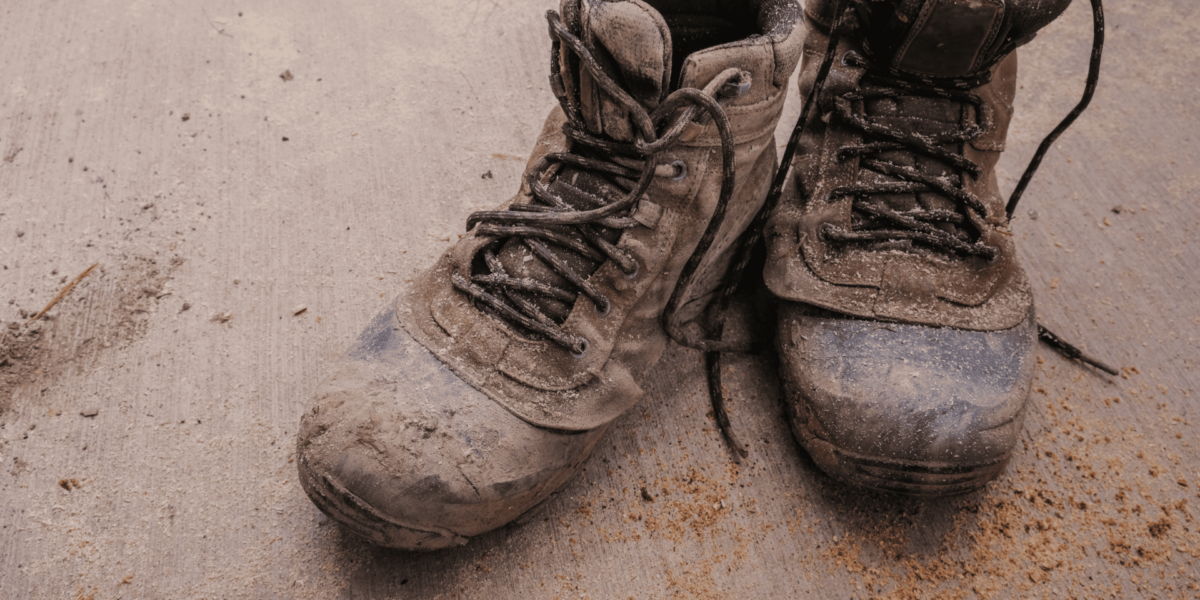
From Pavement to Pine Needles: A Day in the Life of Reliable Soles

Daily Versatility Begins with the Right Soles

Reliable boots perform best when soles match the needs of everyday movement. From morning walks on pavement to evening hikes through forest trails, soles must adapt without slowing the wearer down.

Urban Surfaces Require Grip Without Bulk

Walking across sidewalks, crosswalks, and building entrances requires steady footing. Soles designed for urban use provide traction without dragging. Flat tread zones reduce friction on smooth surfaces, while flexible midsoles adjust to constant motion.

Midday Terrain Shifts Challenge Flexibility

By mid-afternoon, routes often include mixed terrain—gravel paths, wooden bridges, or grass-covered edges. Boots with responsive soles bend slightly without losing support. This flexibility maintains balance across different surfaces while reducing fatigue.

Outdoor Environments Test Shock Absorption

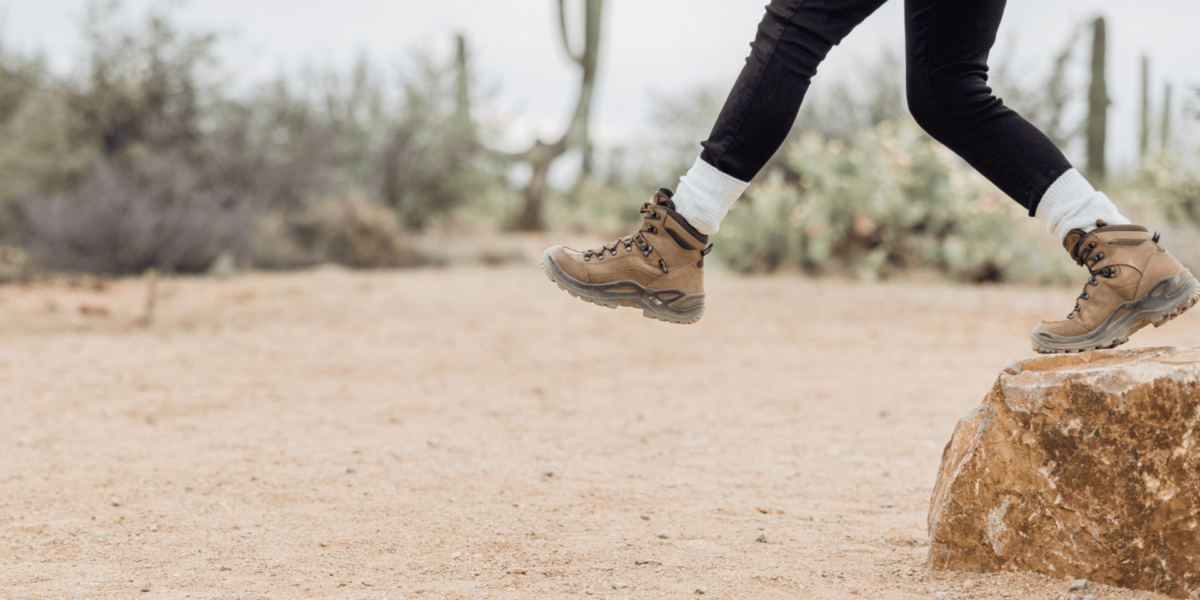
As trails lead into natural areas, impact increases. Rocks, roots, and uneven terrain demand soles that protect feet from constant pressure. Durable outsoles with cushioned layers help absorb shock while preserving stability.

Traction Becomes Essential on Forest Floors

Moving through pine needles or loose soil calls for deep lugs and grippy patterns. Soles with multidirectional traction prevent slips when ground cover becomes slick. Confidence in each step reduces hesitation on unpredictable terrain.

Weather Conditions Push Soles to Perform

Morning dew, sudden rain, or dry dust challenge how soles manage moisture and grip. Materials like rubber and EVA blends resist water absorption while maintaining traction. A well-sealed sole keeps feet dry without trapping heat.

Edge Support Matters on Narrow Paths

Forest trails or rocky ledges require side stability. Soles with reinforced edges protect from rolling ankles and shifting footing. A secure platform across uneven ground reduces missteps and supports safer movement.

Evening Transitions Highlight All-Day Performance

As the day ends, soles that remain comfortable and effective show their value. A long day of walking, climbing, and standing proves how well the materials, tread, and structure hold up. Feet that stay supported reflect the boot’s long-term quality.

Durability Shows in How Soles Age

Soles that wear evenly and keep their shape signal good construction. Even after exposure to concrete and trail debris, reliable soles resist cracking and splitting. Their lifespan becomes part of the user’s routine, not a short-term solution.

Choose Soles That Match Every Step

From the first block of pavement to the last pine-covered trail, reliable soles shape how the day feels. They adjust to ground, movement, and weather without losing purpose. When soles support the full range of motion and terrain, boots stop being gear—they become trusted tools for everyday life.

Leather in Motion: How Boots Adapt to Everyday Terrain

Daily Terrain Challenges the Flexibility of Leather Boots

Each day brings different walking surfaces—pavement, gravel, grass, stairs, or slick tile. Quality leather boots adjust to these shifts without losing support. This adaptability makes them dependable in city streets, suburban paths, or rural roads.

Leather Forms to Movement Over Time

As boots break in, the leather molds to your walking style. With each step, it softens at pressure points and flexes along natural bends. This personalized fit reduces friction and increases comfort. Well-treated leather retains shape while responding to your stride.

Outsole Design Supports Multi-Surface Stability

Boot outsoles must handle transitions between indoor and outdoor spaces. Deep lugs offer grip on loose ground, while flatter zones keep traction on smooth floors. Durable rubber and firm midsoles protect feet from impact on hard surfaces while maintaining flexibility.

Weather Conditions Test Material Resilience

Leather boots face shifting weather—dry heat, damp mornings, or sudden rainfall. Treated leather resists moisture while remaining breathable. As the material adjusts to temperature and humidity, it protects against cracking or stiffness. Conditioning and proper care extend this resistance.

Foot Support Matters Across Varied Ground

Curbs, ramps, and unpaved lots test the boot’s ability to keep balance. Arch support and padded collars stabilize the foot during angle changes or uneven pressure. Consistent alignment reduces joint strain, especially on long days moving across mixed terrain.

Seam Placement and Stitching Prevent Wear Zones

Walking over different ground types creates stress points in specific areas of the boot. Reinforced seams and hidden stitching in high-impact zones reduce the chance of material failure. Quality construction supports long-term use without loosening or separating.

Insole Shape Maintains Comfort on Changing Paths

As you walk from soft to hard ground, insole padding absorbs the shift in pressure. Memory foam or molded insoles adjust to your step and distribute weight. This reduces fatigue when walking on concrete, tile, or other firm surfaces.

Leather Adapts Without Losing Its Form

Even as leather molds to the foot, it holds structure. This balance allows the boot to flex without collapsing. During side steps, sudden stops, or longer climbs, the boot responds without sagging. The leather acts like a second layer of protection.

Urban and Natural Environments Require the Same Durability

Whether navigating city curbs or uneven footpaths, boots face impact, moisture, and abrasion. Leather with built-in resistance performs under both conditions. It protects feet from the top down while the outsole handles the terrain below.

Longevity Reflects the Boot’s Daily Work

The marks on leather—creases, scuffs, and softened edges—show how boots respond to your routine. When properly maintained, they become stronger with age. Leather doesn’t just endure everyday terrain; it learns from it, adapting to your path while keeping your feet ready for the next step.

Weathered Paths, Lasting Boots: Stories Your Footwear Tells

Every Boot Marks the Start of a Journey

When you lace up your boots and take that first step, you begin more than just a walk. The condition of your boots and how they respond to terrain tell a silent story. Over time, they form a record of where you’ve been and how far you’ve come.

Scuffed Leather Reveals Real-World Use

Smooth leather doesn’t stay that way for long. Scratches and marks on the surface show impact points from gravel, brush, and repeated movement. These signs of wear are not flaws—they’re proof of use. Quality leather boots absorb these effects without breaking down, aging with character instead of failure.

Outsoles Map Your Terrain Choices

Boot soles take the brunt of every step. Worn tread at the heel might indicate long descents. Midsole pressure shows where your stride hits hardest. When you inspect the wear pattern, you learn how your body moves and how your boots responded. Good outsoles grip consistently through varied surfaces, leaving behind signs of trust, not trouble.

Creases Follow the Shape of Experience

Over time, boots bend to your pace and posture. The way leather folds along the toe box or around the ankle shows where movement repeats. These creases reflect habit, trail type, and walking rhythm. Each fold becomes a memory built into the structure of the boot.

Stains Speak to Environment and Element

Water lines, dust streaks, or dried mud tell you more than weather—they trace your interaction with the land. The ability of boots to handle these exposures without breaking down speaks to their build quality. A stain may fade, but its presence shows the range of conditions your gear has overcome.

Stitching Strength Holds Through the Miles

Reinforced seams along the upper and sole indicate intentional design. When those stitches hold, even as the outer layer shows age, you know the construction matters. Loose threads or frayed seams, when rare, serve as indicators of contact—not failure—when placed against consistent performance.

Insoles Change with Repetition and Time

Interior wear tells a quieter story. Compressed padding and smooth footbeds suggest long hours on foot. The shape of the insole eventually mirrors your stride. While this wear is hidden from view, it’s critical to long-term comfort. It signals where boots supported you best and how they could serve even longer with care.

Soles That Hold Their Shape Earn Your Trust

Boots that keep structure over time show their value. Sagging midsoles or collapsed heels lead to discomfort and fatigue. But boots that resist deformation across varied conditions support consistent posture and pace. Their resilience becomes visible in what doesn’t break down.

Replacement Parts Extend the Story

A resoled boot or replaced lace doesn’t erase history—it extends it. Repairable boots show thoughtful design and material strength. Each update reflects a decision to keep going rather than start over. This choice shows the value of gear that builds story instead of ending it.

The Trail Changes, But Your Boots Adapt

Boots that stay with you over time grow more familiar with each use. You trust their grip, understand their flex, and adjust to their fit as your needs shift. These small, continuous changes create a relationship between gear and user—a connection built across weathered paths and earned in quiet, lasting moments.

Boots Tell the Truth of Where You’ve Been

Your footwear holds a story that’s visible in every mark and worn seam. It records effort, distance, and time without words. The value isn’t in how new they look—but how well they’ve held up. Boots that last don’t just support—they speak for the miles behind you.

Sunset Steps: How Boots Carry You Into the Evening

Evening Transitions Call for Dependable Footwear

As the sun drops and light begins to fade, the pace of the day changes. Whether you’re finishing a long hike or heading into the last leg of a city stroll, your boots become more important. Evening conditions demand stability, support, and comfort.

Cooling Temperatures Affect Comfort and Fit

Once the sun lowers, so does the temperature. Ground surfaces hold moisture. Air becomes cooler, especially in open spaces or wooded areas. Boots with proper insulation and moisture resistance help regulate foot temperature and keep comfort levels stable well into dusk.

Low Light Challenges Every Step

As visibility drops, terrain becomes harder to read. What looked dry at midday might now hide slick spots or uneven edges. Boots with reliable grip reduce the risk of slips during twilight hours. Deep tread patterns and responsive outsoles provide traction when your eyes miss small changes in the path.

Fatigue Builds by Nightfall

Evening walks often follow a full day of movement. Muscles start to tire, and focus fades. Proper boots counter fatigue with midsoles that absorb impact and support arches. Sturdy ankle collars help maintain balance when strength begins to drop.

Footwear Must Shift From Utility to Versatility

As day turns to night, the setting changes. You might leave a trailhead and walk into town or move from outdoor terrain to an indoor space. Boots that blend function with clean design adapt easily to both environments. A good pair offers all-day wear without needing a wardrobe change.

Evening Moisture Adds a Layer of Challenge

Surfaces collect moisture quickly at dusk. Sidewalks cool down and trails gather condensation. Boots built with water-resistant materials protect from damp conditions without sacrificing breathability. Sealed seams and moisture-wicking linings make a difference when the day shifts.

Traffic and Noise Levels Change the Way You Move

In urban settings, street noise softens as traffic slows. In rural areas, sound carries further. Your movement becomes more noticeable. Boots with soft-step outsoles reduce noise while walking, helping you blend with the calm of the evening.

Reflection Starts When the Day Ends

Evening walks often bring clarity. With fewer distractions and slower surroundings, your focus turns inward. Comfortable boots allow you to move freely, without interruption. With steady steps and consistent support, they give you the room to think and breathe.

Changing Light Shifts the Landscape’s Tone

Colors change with the setting sun. Trails and streets appear different in low contrast. A strong boot helps you stay grounded when visual cues fade. Supportive structure keeps steps sure and steady even when landmarks blur.

One Pair Should Handle the Day’s Full Range

From the start of your morning to the quiet steps of evening, your boots should hold up without losing function. Durable materials, a versatile look, and long-wear support define footwear that moves with you. Sunset doesn’t signal the end of activity—it marks the shift into a different kind of motion.

Trust Builds With Every Evening Walk

Boots that carry you through the day earn trust in the moments you notice least. They keep pace as the light drops and the world slows. When the day winds down, your steps should stay strong. Choose boots that are ready to meet you at the edge of night.

Between Roots and Rocks: Your Boots’ Unsung Moments

Trail Boots Earn Their Value Beyond the Obvious

The best test of any boot happens where others fail—between roots, rocks, and rough terrain. These small, unpredictable spaces challenge how a boot performs under pressure. It’s in these unsung moments that durability, support, and comfort prove themselves.

Hidden Hazards Expose Weak Points Quickly

Uneven ground catches weak soles and stiff uppers. A missed step near a root can twist an ankle. A slip on a damp rock highlights poor traction. Well-designed boots respond with grip, flex, and stability before discomfort sets in. These quick responses protect more than feet—they protect the rest of the day.

Micro-Movements Reveal True Support

Each trail step includes tiny shifts in weight. When crossing a rocky incline or stepping through tree roots, these shifts add up. Quality boots absorb these changes through firm midsoles and balanced structure. They reduce strain on joints and give steady footing across the trail.

Flexibility Prevents Long-Term Fatigue

Boots that only offer stiffness break down comfort over time. The real work happens when boots flex with the trail’s shape. Walking over uneven roots or adjusting on loose gravel calls for boots that bend without losing strength. Flexibility reduces effort, keeping legs fresh over longer distances.

Impact Zones Absorb More Than Just Weight

The heel, arch, and toe take repeated hits on technical terrain. Roots stick up where you don’t expect them. Rocks push pressure into narrow points on the sole. Boots built for trail impact spread that pressure evenly. This protects both the foot and the boot from wear.

Lacing Systems Hold Everything Together

Shifting ground forces the foot to move. Poorly laced boots lead to friction and imbalance. Reliable eyelets and secure laces create a lock-in fit. Whether stepping between tree trunks or landing on uneven rocks, tight lacing keeps the boot moving with the foot, not against it.

Water Resistance Comes into Play Mid-Hike

Low spots between rocks often hold water. Roots collect morning dew or runoff. These areas test waterproofing even more than open streams. A well-treated boot blocks moisture where it matters most, keeping feet dry without limiting breathability.

Traction Shows Its Worth When Balance Fails

Slick stones and loose debris don’t allow second chances. When a boot loses grip in these moments, the result can be more than a stumble. Deep lug patterns and durable outsoles hold fast across wet, dry, and mixed surfaces. Real traction earns its trust in silence.

Protection Without Bulk Supports Agility

Roots and rocks don’t just challenge balance—they demand speed and precision. Protective toe caps and padded ankle collars guard key pressure points. The right boot protects without slowing movement. It shields without adding unnecessary weight.

Unsung Moments Build Long-Term Trust

Every unnoticed step over a root or across a slick stone adds to your boot’s story. It’s not just the dramatic weather or the steep climb that matters. It’s the quiet control between hazards that proves a boot’s worth. These moments are where gear earns loyalty.

Choose Boots That Work Where Attention Slips

The terrain between roots and rocks is where the real hike lives. It’s in these forgettable, high-risk spaces that boots must stay consistent. When you pick gear built for those unsung moments, you choose more than comfort—you choose reliability that lasts through the trail’s toughest tests.

Quiet Streets and Sturdy Soles: Why These Boots Fit City Life

Urban Terrain Demands Reliable Footwear

City streets put daily pressure on footwear. From cracked sidewalks to slick subway platforms, every surface tests balance, grip, and comfort. Boots designed for city life must adapt to changing conditions while supporting long days on foot.

Durable Materials Handle Constant Movement

Urban movement wears down low-quality materials quickly. Leather uppers and reinforced soles withstand frequent steps on concrete. Sturdy eyelets and quality stitching prevent breakdown. A boot built with long-term use in mind stays functional through regular commutes, unexpected weather, and constant impact.

Cushioned Support Maintains Daily Comfort

City walking includes long blocks, stairs, and pavement. Boots with cushioned midsoles absorb shock and protect joints. Ankle support prevents fatigue during extended walks. The right design balances flexibility and structure, keeping every step efficient without slowing pace.

Outsoles Built for Pavement Grip the Ground

Slippery sidewalks and wet crosswalks challenge traction. Outsoles made for city walking feature flat lugs or shallow treads that grip without dragging. Rubber compounds resist wear while maintaining slip-resistance. These features help prevent falls in rain or across polished floors.

Weather Protection Keeps Feet Dry and Warm

City weather shifts without warning. A sudden downpour or winter chill can affect comfort and focus. Waterproof linings and sealed seams keep moisture out. Insulated boots maintain warmth without adding bulk. Breathable layers prevent overheating in indoor settings.

Design Blends Function with Daily Wearability

City-ready boots must look as good as they perform. Neutral colors, clean lines, and simple silhouettes make them adaptable for multiple settings. Whether at work, running errands, or walking home, a versatile boot transitions easily between moments.

Quiet Soles Support the Urban Soundscape

City noise never stops, but your boots don’t need to add to it. Outsoles that reduce footfall volume support a calm experience in libraries, offices, or quiet neighborhoods. Soft-step construction helps maintain discretion without sacrificing support.

Secure Fit Prevents Distraction on the Move

Loose boots create friction. Unstable fits slow movement. City life rewards precision, and so should your footwear. Lacing systems that lock the foot in place, padded collars that hold the ankle, and molded insoles reduce shifting inside the boot during quick changes in pace.

Boots Must Adapt From Day to Evening

In the city, one pair of boots may need to last from sunrise to nightfall. Comfort, support, and style carry across activities. Good boots keep your feet steady on the subway and grounded on a quiet walk home. You don’t swap gear—you keep moving.

Choose Boots That Work With the City, Not Against It

The best city boots don’t fight the environment—they move with it. They support a faster pace, resist wear, and stay comfortable from morning through late evening. A good pair fits both the map and the moment, keeping you ready for whatever the city asks next.

Mud, Leather, and Morning Dew: Boots That Stand Up to the Trail

Trail Conditions Test Every Step

Rugged trails demand footwear that holds up under pressure. Mud grips soles, uneven paths strain stitching, and early dew soaks through low-grade material. The trail becomes a test site for durability, and boots either meet the challenge or wear down fast.

Leather Remains the Standard for Trail Strength

Full-grain leather provides natural protection against rough terrain. It resists tears, repels water, and adjusts to the shape of the foot over time. When properly treated, leather shields against moisture and holds up through repeated use. On a wet morning trail, its performance becomes clear.

Moisture Management Starts at First Light

Morning dew on grass and soil creates a slick surface. Poorly constructed boots absorb that moisture, leading to discomfort. High-quality boots use treated leather or waterproof membranes to block wetness. This keeps feet dry and reduces the risk of blisters or heat loss.

Outsoles Grip Through Unpredictable Terrain

Slopes, loose gravel, and muddy inclines call for traction that adapts to change. Durable boots feature lug patterns designed to grip in both ascent and descent. Thick rubber compounds add stability while absorbing pressure. A strong outsole means fewer slips, especially when conditions shift quickly.

Reinforced Stitching Holds It All Together

Every seam on a trail boot must carry weight. Reinforced stitching prevents blowouts where stress builds—around the toe, heel, and midfoot. Thread choice and placement make a difference. Double or triple stitching in high-stress zones increases the boot’s ability to survive long-distance wear.

Support Matters When the Trail Demands More

Uneven ground affects balance, especially with added weight from a pack. Trail boots use structured midsoles and padded collars to stabilize the ankle and arch. This reduces strain across long hikes. Without proper support, energy drains faster and risk of injury increases.

Breathability Balances Comfort and Protection

While waterproofing protects against outside moisture, ventilation handles what’s inside. Breathable linings allow heat and sweat to escape, which keeps feet dry from within. Boots that balance water resistance and airflow prevent overheating during long climbs or warm-weather treks.

Lacing Systems Enhance Fit and Function

On a shifting trail, foot movement inside the boot causes friction. A secure lacing system locks the foot in place. Metal eyelets, durable laces, and supportive tongue construction all work together to ensure the boot fits snug from the first step to the last.

Real Performance Happens Over Time

A durable boot doesn’t just survive a single hike—it stays consistent over seasons. With regular care, leather boots develop flexibility without losing form. The trail may change, but a well-built boot continues to perform. Scuffed toes and worn tread tell the story of miles earned, not breakdown.

Choose Boots Built for the Trail’s Reality

The trail doesn’t forgive weak construction. Mud, leather, and morning dew reveal the difference between design and durability. When choosing boots for hiking, focus on real-world materials and construction that respond to the terrain—not just aesthetics. The right boot becomes a tool, not just gear.

What Your Choice of Boots Says About Your Everyday Priorities

Footwear Reflects Function and Lifestyle

The boots you wear reveal how you approach daily decisions. Boots aren’t just about covering your feet. They reflect your habits, needs, and what you value most in your everyday routine. From construction to design, the boots you choose signal what matters to you—comfort, appearance, protection, or adaptability. These details can show how you navigate both style and responsibility in your daily life.

Durability Signals a Focus on Long-Term Value

Wearing rugged, long-lasting boots shows you plan for durability. If your boots are built with strong soles, reinforced stitching, and weatherproof materials, you likely prioritize reliability. You value footwear that handles wear and tear without breaking down. Choosing durable boots suggests you prefer products that last and support your routine without constant replacements. This mindset often points to thoughtful spending and a commitment to consistent performance over time.

Style-Forward Boots Show an Emphasis on Presentation

Polished, trend-driven boots highlight a focus on appearance. When boots include sharp lines, bold colors, or luxury finishes, they often signal that you value how you look. These boots support a strong visual impression, whether in social settings or professional spaces. Prioritizing fashion-forward footwear suggests that you pay attention to detail and often plan your wardrobe around impact and presence.

Realistic Scenario: A Morning Routine Influenced by Boot Choice

Your boot selection helps guide your day’s comfort and productivity. You leave home early, wearing boots that match both your outfit and the day’s forecast. The sole grips the sidewalk as you walk to the train. On the platform, the insulation keeps your feet warm. After work, a quick errand takes you across uneven pavement, but your boots hold up without slipping or pinching. This choice helps you stay efficient and comfortable, reinforcing that your priorities include preparation, appearance, and readiness.

Versatile Boots Indicate Value in Flexibility

Boots that handle multiple settings show you like to stay ready for anything. If your footwear can move from the office to a trail or a dinner out, you likely prioritize adaptability. You want one solution that works in many places, cutting down on gear or wardrobe changes. This choice reflects a lifestyle built on mobility, where preparation and simplicity matter more than specialized or seasonal designs.

Performance Boots Reflect Task-Driven Focus

Choosing work boots, tactical boots, or trail shoes shows you value function. Boots designed for support, traction, or safety indicate a practical mindset. You likely face physical demands in your routine—whether job-related or recreational. These boots help prevent injury, maintain stability, and reduce fatigue. Prioritizing this type of performance footwear means you invest in tools that protect your body and keep you moving efficiently.

Lightweight Comfort Emphasizes Daily Efficiency

Boots made for long wear and ease suggest you focus on pace and comfort. Footwear that offers cushioning, flexibility, and breathable linings often connects with routines built on movement. You may be walking, commuting, or staying active for extended hours. Choosing comfort-first designs shows that you care about physical well-being and time efficiency. It also means you’re likely to plan around how your body feels rather than just how your outfit looks.

Minimalist Boots Show a Practical and Streamlined Approach

Clean, simple designs suggest a focus on essentials and ease. Boots with minimal branding, neutral tones, and basic construction reflect a low-maintenance mindset. You likely value consistency and prefer pieces that blend with multiple looks. This approach often matches people who avoid excess, choose versatile gear, and make choices based on utility rather than trends.

Statement Boots Highlight Creative Expression

Bold designs or unique silhouettes reveal a love for individuality.vIf your boots feature unusual textures, striking colors, or unexpected materials, you likely use fashion to express yourself. Statement boots indicate confidence and creativity. These choices often belong to people who use their appearance as a way to communicate personality and mood. Wearing standout footwear shows you prioritize self-expression and originality.

Sustainable Choices Signal Environmental Awareness

Eco-friendly materials or brands show concern for long-term impact. If your boots include recycled materials, plant-based components, or transparency in sourcing, you likely consider the effect of your purchases. Choosing sustainable boots shows that you factor in ethics, conservation, or resource use in your decisions. It also means you align your buying habits with values that reach beyond fashion or utility.

Your Boots Reflect More Than Style

The type of boots you wear connects directly to your daily values. Whether you focus on durability, fashion, comfort, or sustainability, your boots tell a clear story about what matters to you. Each feature—sole grip, material quality, design choice—links to your habits, responsibilities, and how you move through the world. Understanding this link helps you choose footwear that supports more than your look—it supports your priorities, one step at a time.

From Sidewalks to Trails: The Evolution of Urban Utility Footwear

Utility Footwear Now Serves City and Outdoor Environments

Urban utility footwear has shifted from job-specific gear to everyday wear. Originally built for work and rugged terrain, utility footwear now crosses over into daily city life. Brands have adapted materials, designs, and construction to meet the needs of people moving between sidewalks and trails. These changes reflect a demand for shoes that handle urban stress while offering support in less predictable outdoor settings.

Functional Design Shapes Modern Urban Footwear

Utility shoes prioritize grip, structure, and comfort across mixed terrain. Modern urban utility footwear blends features like high-traction soles, padded insoles, and weather-resistant materials. These shoes reduce pressure on the feet during long walks and help users stay steady on uneven surfaces. Whether navigating subway stairs or gravel paths, the footwear must provide consistent protection without restricting movement.

Materials Innovation Improves Versatility and Wear

Advanced materials increase flexibility, durability, and weather resistance. Contemporary designs rely on synthetic fabrics, waterproof membranes, and reinforced stitching. These updates keep the shoes lightweight while offering the protection needed in shifting weather and changing ground textures. Improved breathability prevents overheating during summer use, while sealed seams keep out moisture during rainy or muddy conditions. This material balance supports year-round use across different environments.

Realistic Scenario: A Day in the Life of a City-to-Trail Commuter

An urban professional shows how one pair of shoes supports a varied routine. A commuter starts the morning walking through downtown to catch a train. The sidewalk is damp, but the tread holds steady. After work, they head to a trail for a short hike. The incline is uneven, but the shoe’s sole flexes with each step. By evening, they walk to a local market, where clean design allows the footwear to blend in with everyday clothes. The same pair supports work, nature, and errands without a need for change.

Fashion Trends Now Include Function-First Footwear

Utility shoes have become a staple in modern urban fashion. Designers now highlight rugged soles, lace hooks, and outdoor textures in collections aimed at city dwellers. These shoes no longer hide their construction—they showcase it. Fashion-forward consumers now value the visible function: weatherproof panels, heavy-duty eyelets, and protective toe boxes. As a result, the look of utility has become part of city style, especially in casual and streetwear categories.

City Life Demands Footwear Built for Movement

Urban settings require durability and agility from everyday shoes. Sidewalks, curbs, public transport, and construction zones all create unique stress on footwear. Urban shoes must absorb shock, maintain traction on smooth or slick pavement, and withstand dirt and debris. Lightweight materials reduce fatigue during long commutes, while structured soles help with support when navigating stairs or uneven surfaces.

Trail-Grade Features Enter Daily Wear

Outdoor elements improve comfort and safety in everyday use. Features once reserved for hiking boots—like lugged soles and gusseted tongues—now appear in urban-ready shoes. These additions help prevent slips, keep out water, and stabilize the foot during fast movement. For people who walk, bike, or explore after work, trail-grade design offers peace of mind and helps extend the range of what the shoe can handle.

Footwear Brands Adapt to Changing Consumer Lifestyles

Hybrid shoes reflect the demand for flexibility and adaptability. More people blend work, fitness, and exploration into their daily routines. Brands respond by designing shoes that match this rhythm. Instead of offering separate products for hiking and commuting, companies now develop one solution that supports both. This approach cuts clutter in closets while delivering reliable performance from morning to night.

Urban Utility Shoes Must Balance Fit and Function

Comfortable fit ensures the shoe works through full-day wear. A shoe built for both city and trail use must consider how it supports the foot over hours of movement. Ankle stability, toe box space, and arch alignment all contribute to comfort. Proper cushioning absorbs impact on pavement, while secure lacing prevents shifting during uphill or downhill walks. A well-balanced fit reduces injury risk and boosts energy throughout the day.

Sustainability Plays a Role in Utility Footwear Evolution

Durable construction reduces waste and promotes long-term wear. Fast fashion once prioritized low cost over lasting value. In contrast, utility shoes aim to perform through repeated use, lowering the need for frequent replacements. Brands now use recycled materials, repairable designs, and packaging that minimizes environmental impact. For consumers focused on sustainability, this construction approach meets both practical and ethical needs.

Utility Footwear Bridges Style and Everyday Demands

The rise of urban utility shoes reflects how people live, move, and choose gear. Footwear no longer belongs to a single setting. City dwellers want support for sidewalks and trails in one pair. By merging outdoor performance with everyday design, utility shoes have redefined modern footwear. They reflect real movement, changing weather, and longer days. The next evolution in urban style doesn’t sacrifice function—it walks with it.

Why Your Next Pair of Boots Should Be Built for More Than Style

Functional Boots Meet Real-Life Demands

Boots need to support movement, not just complement outfits. While many boots look great on display, their value depends on performance during daily wear. Whether navigating city sidewalks or rural trails, your boots should provide traction, support, and durability. Style matters, but it can’t come at the cost of comfort or function. A well-constructed pair will adapt to unpredictable conditions without causing fatigue or damage to your feet.

Design Without Support Leads to Short-Term Use

Poor construction reduces a boot’s lifespan and usefulness. Thin soles, unstable heels, and low-quality materials often wear out quickly. Boots that focus only on fashion trends lack the build to handle daily pressure. Cracked leather, worn treads, or collapsed arches appear within months of regular use. Choosing footwear that prioritizes style over function means buying replacements more often—and sacrificing long-term comfort.

Realistic Scenario: A Day in Unpredictable Conditions

A full day of walking reveals the difference between fashion and function. A commuter heads out in the morning expecting mild weather. By afternoon, rain starts. The sidewalk becomes slick, and water pools along the curb. Boots with no traction or waterproofing fail to keep the feet dry. By evening, the insoles feel damp, the heels ache, and the boots show wear from a single day. If the pair had been built for movement, traction, and protection, the commuter’s feet would stay dry and supported from start to finish.

Comfort Features Reduce Foot Strain

Supportive boots reduce the physical toll of long wear. Functional boots include arch support, cushioned insoles, and padded collars. These features help absorb impact, especially during extended walking or standing. When feet are unsupported, pressure builds on joints and muscles. This strain can lead to back pain, sore heels, or discomfort that affects your daily rhythm. Investing in a pair designed for comfort lowers the risk of chronic foot stress.

Material Quality Affects Durability and Performance

High-grade materials extend a boot’s useful life. Leather that resists cracking, rubber soles that grip, and linings that breathe all contribute to better wear over time. Lightweight synthetics may look appealing but often break down after exposure to water, heat, or constant friction. Well-sourced materials also handle seasonal shifts, preventing damage from sudden cold snaps or humidity. With reliable components, boots last longer without losing shape or function.

Multi-Season Versatility Increases Value

Boots that adapt to changing weather reduce the need for extra pairs. One high-performing boot can replace several pairs if it’s built to handle multiple conditions. Breathable linings, water-resistant treatments, and non-slip soles allow for wear in rain, light snow, or cool dry days. Instead of switching shoes with the weather, you stay ready for whatever the day brings. This makes functional boots more efficient—and a better investment—over time.

Stability and Grip Improve Everyday Safety

Non-slip soles prevent falls on slick or uneven surfaces. Whether walking on wet concrete, uneven gravel, or a frosty sidewalk, traction matters. Fashion boots often have thin or smooth soles that can’t maintain grip. Boots designed for stability include treads that flex with the surface, offering better control on stairs, curbs, or slippery areas. Good grip doesn’t just improve comfort—it helps you avoid injury.

Long-Term Wear Requires Breathability and Fit

Boots must balance insulation with airflow for consistent comfort. Overheated or damp feet quickly lead to discomfort. Functional boots include breathable materials or moisture-wicking linings to regulate temperature and prevent sweat buildup. Combined with a proper fit, this keeps feet dry and reduces odor or skin irritation. A well-fitting boot with airflow features stays wearable all day, no matter the activity.

Style Should Complement, Not Compromise, Performance

A boot can look great while still offering real protection. Modern footwear brands have learned to merge aesthetics with utility. This means you no longer have to choose between looking sharp and staying comfortable. Functional boots can include sleek designs, versatile colors, and fashionable silhouettes without removing the features that matter—like arch support, reinforced seams, or quality soles. A balanced design keeps your appearance polished while your feet stay protected.

Sustainability Adds Value Beyond Wear

Boots built to last reduce waste and lower environmental impact. Short-lived fashion pieces contribute to overconsumption and landfill growth. In contrast, long-wearing boots reduce the need for constant replacements. Brands focused on durability often use responsibly sourced materials, recyclable packaging, or repair services. Choosing a pair with longevity in mind supports sustainable consumption and better resource use, aligning with long-term values as well as daily needs.

Choose Boots That Fit More Than a Look

Your next pair of boots should support your movement, comfort, and purpose. Style alone doesn’t carry you through long days, changing weather, or hard surfaces. Functional boots combine performance and design to offer real support with long-term value. Whether commuting, working, or walking for leisure, your boots should help—not hinder—your day. Built-for-purpose footwear saves time, money, and effort by doing more than looking good. Make the choice that supports your life, step by step.