The Surprising History Behind Your Favorite Boot Styles

Boots have become a wardrobe staple for work, travel, and everyday wear. But many of today’s most popular boot styles didn’t start as fashion pieces—they evolved out of necessity, utility, and culture. Each design tells a story shaped by function, movement, and identity.

Understanding where your favorite boots came from helps explain why they still feel relevant today.

Work Boots Originated from Industrial Needs

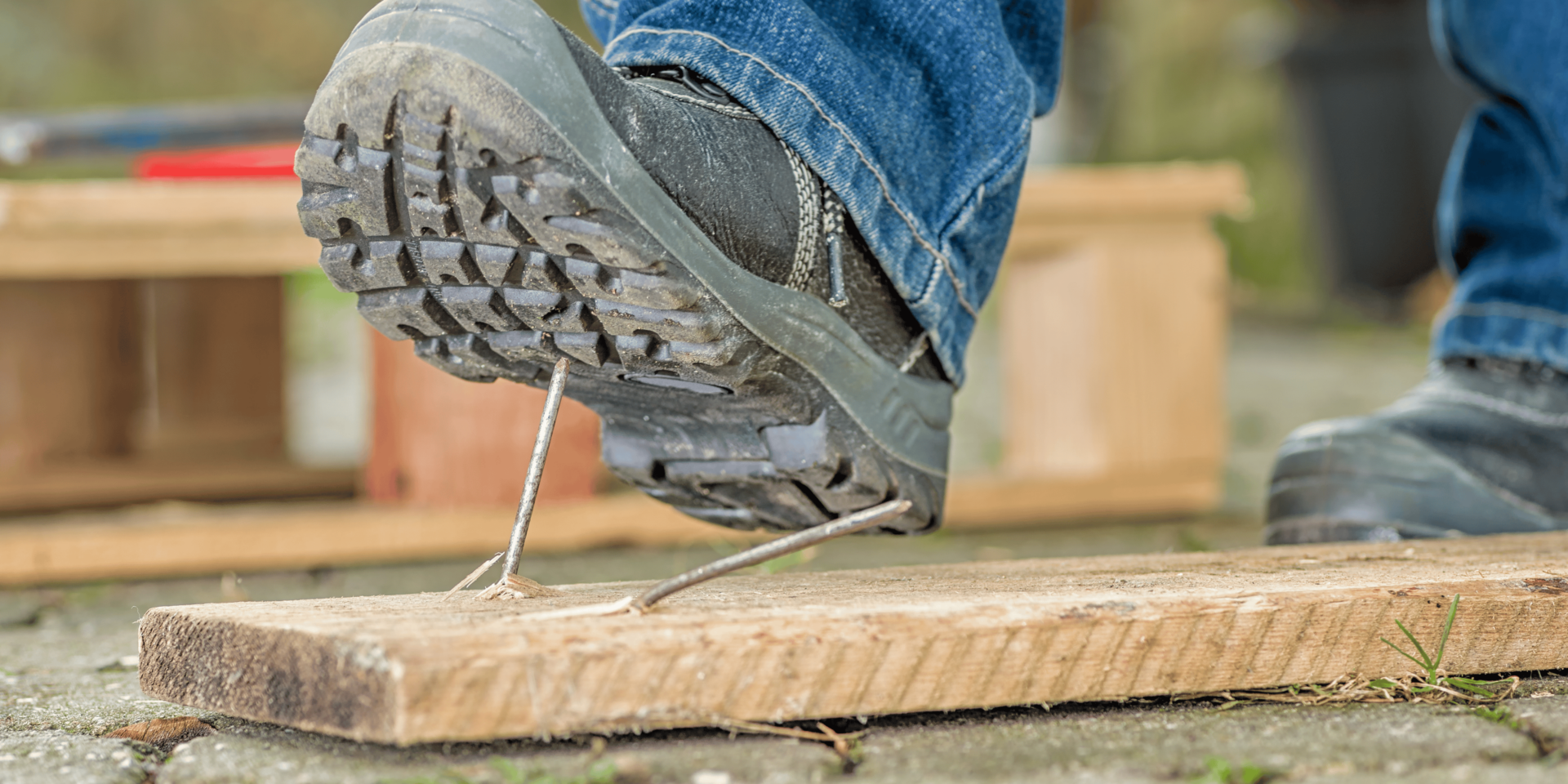
Work boots were built to protect. Their design started during a time when industrial labor placed new demands on footwear. Workers in mining, construction, and railroads needed shoes that could handle heavy use, provide traction, and shield feet from injury.

In a modern context, someone wearing boots during a 10-hour shift on concrete floors benefits from features born in these early designs. Thick soles, reinforced toes, and high ankle support are not trends—they’re solutions passed down through generations of tradespeople.

Work boots gained popularity outside of job sites because their design offered comfort, durability, and structure in daily environments.

Chelsea Boots Traced Their Roots to 19th Century Innovation

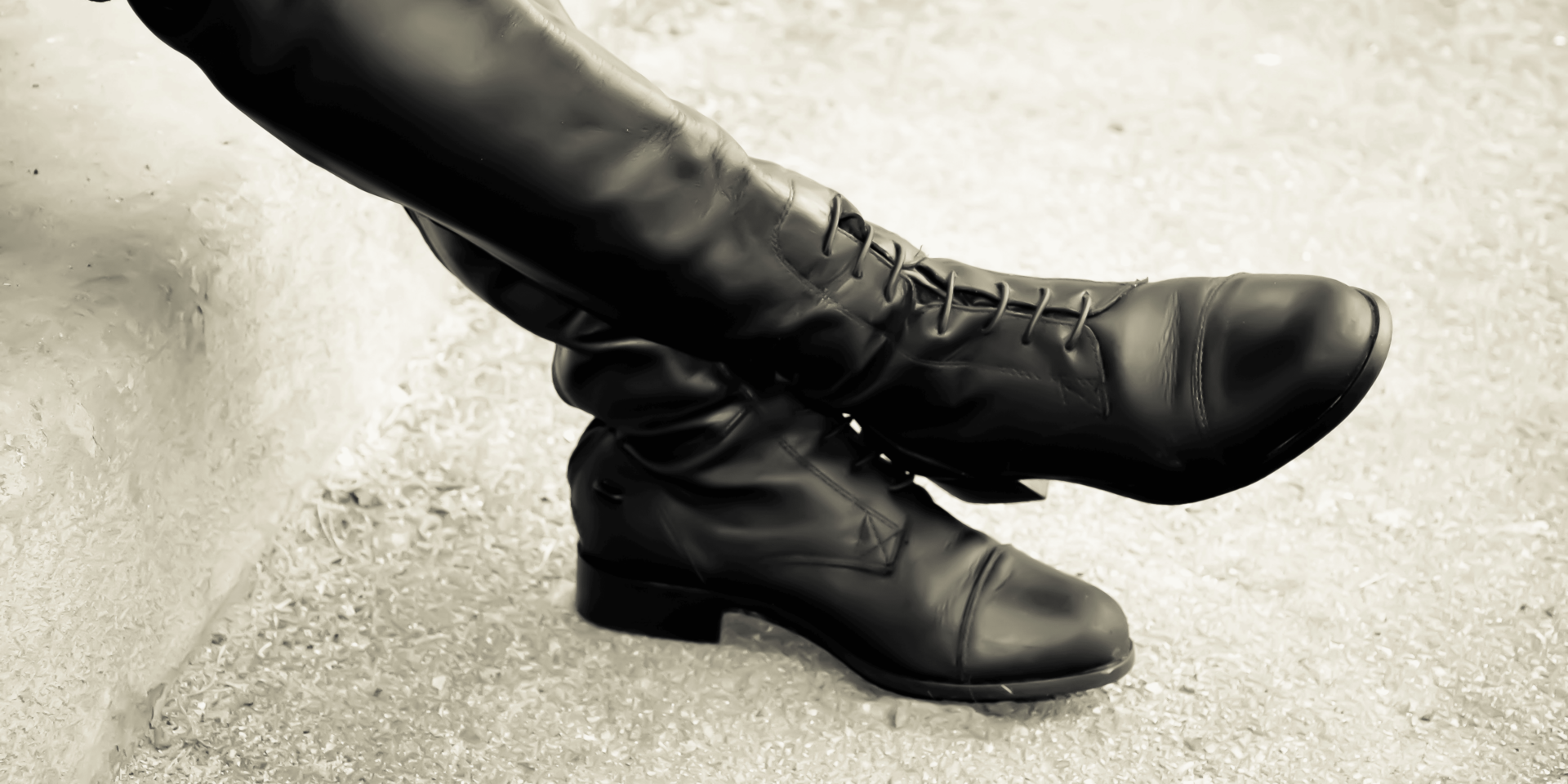
Chelsea boots may look sleek, but their origins are rooted in functional innovation. The elastic side panel—now a defining feature—was introduced in the 1800s to allow easy slip-on wear while keeping a secure fit.

Today, this feature continues to serve people who move between tasks quickly or need footwear that transitions from casual to refined without slowing them down. In workplaces or urban settings where time matters, the original design still works.

The continued use of elastic panels and slim profiles shows how functional design choices can evolve into style elements.

Combat Boots Evolved from Military Utility

Combat boots began as standard issue gear for soldiers facing tough terrain and long hours of movement. The original goal was to provide protection, grip, and ankle stability during unpredictable conditions.

In modern life, someone who walks several miles a day in changing weather benefits from the same traits. Grip-heavy soles, tall shafts, and strong laces still support long periods of movement.

What was once tactical gear became everyday wear because the design met practical needs, even off the battlefield. Combat boots transitioned into fashion without losing their structure.

Cowboy Boots Emerged from Riding and Ranching

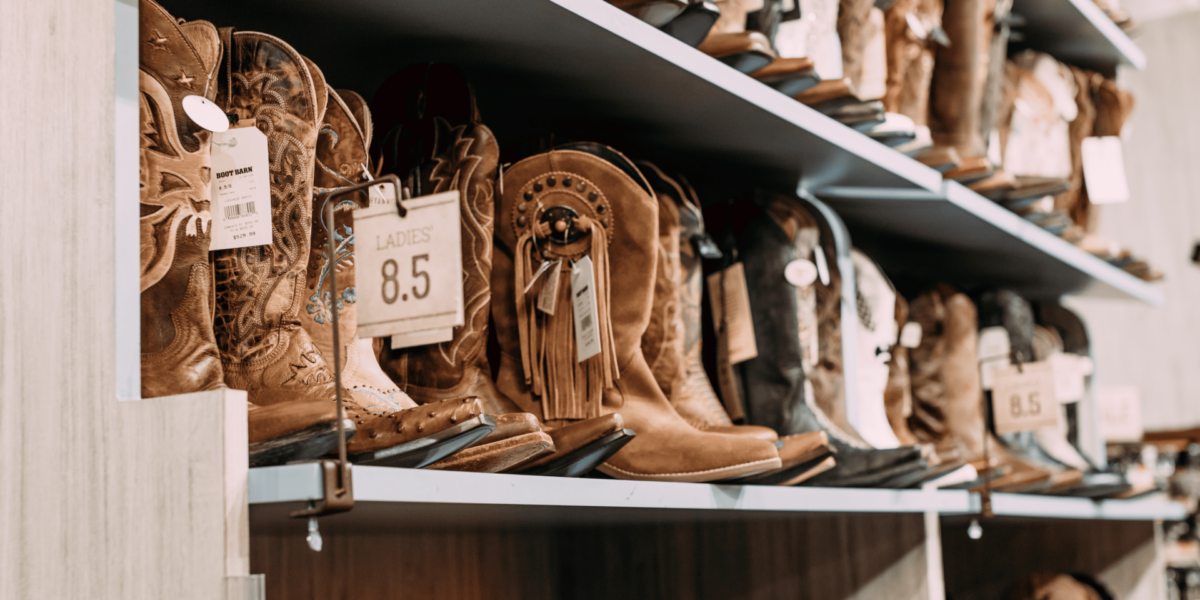
Cowboy boots were originally designed for riding, not walking. The high shaft kept dirt out, while the angled heel helped secure a foot in a stirrup. Over time, decorative stitching and bold colors turned them into a cultural symbol.

Today, someone moving between rural and urban spaces may still wear cowboy boots for their support and durability—but also because they carry meaning. They represent a connection to work, tradition, and independence.

Their design still works, which explains why they remain popular in environments where functionality and identity intersect.

Hiking Boots Were Built for Endurance and Terrain

Hiking boots entered mainstream fashion, but they started as tools for navigating rough ground. The design focused on stability, grip, and weather resistance. Thick rubber soles and padded collars were introduced to prevent injuries and reduce fatigue over long distances.

For anyone walking over mixed surfaces—gravel, pavement, dirt—the same features remain useful. Modern hiking boots maintain the original design priorities while adapting materials and shapes for daily wear.

This design didn’t shift to match fashion; instead, it stayed the same because the core structure met real-world demands.

Desert Boots Rose from Military Desert Warfare

Desert boots were originally worn by soldiers in hot, dry regions. Lightweight materials, crepe rubber soles, and breathable suede defined their build. Their design offered flexibility, cooling, and quiet movement on sand and dry terrain.

When someone today walks through hot urban environments or needs breathable footwear for long wear, desert boots offer that advantage. The original military purpose may be less visible, but the structure remains aligned with real needs.

Desert boots show how specific environmental solutions become long-term style choices.

Engineer Boots Developed for Machine-Based Labor

Engineer boots came from a need to protect workers near heat, tools, and machinery. Their laceless design prevented entanglement, while tall shafts shielded the leg from burns or sharp edges. Originally worn by railroad and factory workers, these boots prioritized safety and strength.

In modern use, someone commuting on a motorcycle or walking near industrial zones still benefits from these features. Buckle closures, heavy leather, and firm soles offer both style and support.

What started as protective gear now represents grit and function in everyday movement.

Chukka Boots Originated as Military-Off-Duty Footwear

Chukka boots began as part of British military casual wear. They offered a break from heavy boots and were built with minimal structure for light movement and comfort. Thin soles and open lacing made them easy to wear during downtime.

Today, someone working in a relaxed office or traveling between cities often chooses chukka boots for their low profile and comfort. The design continues to match environments that require movement without heavy impact.

These boots survive because they fill a specific niche—simple, clean footwear that performs without drawing attention.

Logger Boots Were Created for Forest Work

Logger boots were designed to protect workers in wooded, rugged environments. Tall shafts offered leg support, steel shanks stabilized each step, and aggressive outsoles ensured traction on wet, uneven surfaces.

Now, someone spending hours outdoors or in manual labor still needs those features. Logger boots became a staple because they prevent injury, maintain structure, and perform in environments that test footwear constantly.

Their popularity in both workwear and fashion stems from proven reliability, not surface appeal.

Boot History Adds Depth to Style Choices

Wearing boots today isn’t just about fashion—it’s about function carried through time. The shape, height, and materials of your boots each reflect a design tested by real-world demands. Whether built for war zones, work sites, or long trails, these boots remain because they solve problems that still exist.

When someone chooses boots for daily wear, they step into a design legacy that blends performance with personal expression. That history doesn’t fade—it informs every step.

What Your Boots Say About Your Style Without You Saying a Word

Style starts at ground level. While shirts and jackets catch the eye, boots deliver the lasting impression. The kind of boots you wear signals your personality, preferences, and lifestyle before you speak. Whether you’re walking into a meeting, a store, or a social event, your boots communicate who you are and how you carry yourself.

Here’s what your boots reveal about your style—and why they matter more than most realize.

Your Boot Choice Reflects Confidence in Personal Style

Footwear often communicates confidence, especially when it complements your outfit without trying too hard. Boots with structure, clean lines, and quality materials suggest someone who values how they present themselves in every setting.

When someone walks into a room with boots that align with their outfit and setting, it shows clarity in personal style. The design, fit, and wear of the boots send a signal. Whether polished or weathered, the right pair tells others you’ve made an intentional choice, not a rushed one.

This choice reflects control over your look, which often reads as confidence without any words spoken.

Color and Finish Speak to How You Balance Function and Fashion

The color and finish of your boots reveal how you manage both form and function. Neutral tones like black, brown, or tan suggest versatility and practical planning. A polished finish shows a focus on detail, while a matte or distressed look suggests a more relaxed or rugged approach to everyday style.

In a daily routine that includes walking through different environments, a durable yet refined pair of boots signals someone who thinks about both utility and presentation. The visible care—or intentional wear—on your boots frames how others read your entire outfit.

Style isn’t just what you wear. It’s how you wear it, and your boots make that statement clear.

Boot Shape Defines the Energy Behind Your Look

Boot silhouette influences how your outfit feels and moves. Slim, narrow boots with low-profile soles lean toward a refined, modern look. Broader soles or taller shafts introduce a grounded, rugged tone. These design choices speak volumes about your aesthetic preferences.

When someone chooses a boot with clean proportions that match their pants, it shows attention to balance and motion. That alignment shapes the entire outfit and shows how much thought goes into putting it together.

The shape of your boots sends a visual message about the kind of style you’re building—minimal, bold, structured, or relaxed.

Wear and Condition Reveal Your Routine and Priorities

Boot condition reveals how often you wear them, what environments you move through, and how much care you apply to your wardrobe. Scuffed soles, creased leather, or polished toes all provide subtle cues about your habits and priorities.

A person who maintains their boots shows commitment to appearance and durability. Someone with heavy wear marks might signal constant movement, outdoor work, or daily urban travel. These signs don’t just reflect foot traffic—they shape how people perceive your lifestyle.

Your boots give others a realistic picture of your routine long before you start a conversation.

Lacing and Fit Indicate How You Control the Details

How you wear your boots—tight, loose, zipped, or unlaced—sends messages about control and ease. Tight lacing shows precision, while a looser fit can reflect ease or flexibility. The fit doesn’t just impact comfort; it reflects how much you shape your clothes to your needs.

In a scenario where someone adjusts their boots to match a quick pace, their lacing pattern shows intent. Others notice how snug or casual the boot appears and connect that to overall readiness and awareness.

Every detail in how you wear your boots contributes to your style without needing explanation.

Material Choice Highlights Lifestyle Alignment

Boot material says a lot about your environment and how you move through it. Full-grain leather shows durability and long-term thinking. Suede might suggest creative styling or attention to texture. Synthetic blends signal active wear or adaptability to unpredictable conditions.

A person walking between job sites, offices, and errands benefits from a boot that adapts to these shifts. Choosing materials that meet those needs shows others that your style comes from real use—not just appearance.

This connection between material and function gives your boots credibility. Others recognize when your footwear serves a purpose beyond looking good.

Branding and Design Features Show Preference for Identity

Minimal branding shows a preference for subtlety, while visible logos or bold design elements signal stronger brand alignment. Some boots rely on clean silhouettes to make their point, while others use heavy stitching or contrast soles to stand out.

When someone wears boots that are intentionally minimal, it shows their style depends on shape and structure, not name recognition. Others who lean toward performance-driven brands might prioritize technical features and long-term performance.

The design you choose tells others how you want to be understood—whether as classic, trend-forward, performance-focused, or understated.

Versatility Suggests Smart Wardrobe Planning

Boots that fit into multiple outfits show planning and purpose in wardrobe design. Styles that move easily between casual and formal settings communicate consistency in aesthetic and function.

If someone wears boots that match both denim and tailored pieces, it shows awareness of form, not just color or texture. These boots indicate a preference for fewer, better choices over a crowded closet of mismatched styles.

This kind of versatility signals that your style doesn’t change with every trend—it evolves with purpose and direction.

The Right Boots Support Style Through Daily Demands

Beyond appearance, boots must support the demands of your daily life. Those who select boots that hold up over time—through weather, walking, and long days—signal a style based on reliability and real-world conditions.

In daily wear, when comfort and durability influence every step, your boots show whether your style works beyond short bursts. Choosing footwear that holds its shape and support over time reflects a lifestyle that values performance as much as looks.

This mix of durability and design becomes part of your identity. Others see it before you speak.

Your Boots Tell the Story Without Saying a Word

What you wear on your feet defines the start and end of every outfit. Boots carry weight, structure, and meaning. They reflect how you think, what you value, and how you move through the world. When chosen well, they speak on your behalf.

People notice the shape, the care, and the presence of your boots. And whether you lean toward refined, rugged, or minimalist design, that message reaches others before you say a word.

Your style starts with your boots—and they say more than you think.

How the Right Pair of Boots Can Elevate Any Outfit Instantly

A well-designed outfit doesn’t just rely on clothing—it depends on the footwear that ties it together. The right pair of boots adds structure, polish, and personality to any look. While shoes often blend into a wardrobe, boots take the lead in shaping style and presentation.

Let’s break down how boots can transform everyday outfits from ordinary to standout.

The Right Boots Create a Strong Visual Foundation

Footwear forms the base of every outfit, both visually and structurally. Boots add weight and definition to your look by balancing proportions and anchoring your silhouette.

When someone steps into a room wearing clean, structured boots, the effect is immediate. Even a simple outfit appears more intentional. Whether paired with tailored trousers or dark denim, boots signal presence. They define the lower half of the body with shape, structure, and texture that sneakers or flats don’t offer.

This grounded appearance influences the rest of your look, giving even basic pieces a more finished feel.

Boot Design Enhances the Overall Outfit Aesthetic

Boot styles range from rugged and bold to sleek and refined. Each shape contributes to how an outfit feels. Chelsea boots, lace-ups, and cap-toe boots each create a different visual impact.

A person choosing boots with a clean profile and high shaft length adds sharp lines to their lower half. That clean line draws the eye vertically, which lengthens the appearance of the leg and adds polish. On the other hand, a heavier boot with a wide sole makes the outfit feel grounded and bold—ideal for colder months or layered outfits.

The right boot style doesn’t just match an outfit—it elevates it by adding detail, shape, and texture.

Boots Add Depth Through Materials and Texture

Outfits often rely on color coordination, but texture is what brings depth. Boots introduce contrast through their material choices—leather, suede, nubuck, or waxed finishes.

In daily life, when someone transitions from indoors to outdoors or between work and casual settings, boots maintain their presence. Smooth leather adds shine, while matte finishes absorb light and add richness. These material contrasts bring life to otherwise flat outfits.

Wearing boots with varied texture ensures that an outfit doesn’t appear one-dimensional. Instead, it becomes layered and visually balanced.

Footwear Choice Influences How Clothing Fits and Moves

Boots influence not just how your outfit looks—but how it behaves. Higher shafts and structured soles change how pants drape, how jackets feel, and how movement flows.

In a scenario where someone wears slim jeans or straight-leg trousers, the shaft height of the boot determines where the fabric breaks. That break point changes the rhythm of the outfit and can sharpen or relax the look depending on the styling.

Footwear with structure also alters your posture and pace, which subtly changes how the outfit performs in motion. Boots, especially those with a supportive sole, add controlled movement and lift the visual tone of your entire outfit.

The Right Boots Transition Seamlessly Between Environments

Style isn’t only about appearance—it’s about how clothes perform in different environments. Boots offer both flexibility and structure, allowing for easy transitions between indoor and outdoor settings, or casual and formal occasions.

If someone leaves work and walks directly into a social event, well-made boots help bridge the gap. They resist weather, maintain clean lines, and stay appropriate across dress codes. That versatility means fewer wardrobe changes and more consistency in personal presentation.

With the right boots, an outfit remains elevated regardless of where the day goes.

Boot Color Affects Style Impact and Outfit Cohesion

Color choice plays a major role in how boots elevate an outfit. Earth tones like brown, taupe, or tan soften the look and match with more casual wardrobes. Black and oxblood create sharper contrasts and fit formal or urban styles.

A person wearing neutral tones benefits from boots in a deeper or contrasting shade. This anchors the look and prevents the outfit from blending too much into a single tone. The boots stand out without overpowering the rest of the clothes.

A carefully selected boot color ties the outfit together and keeps the entire look intentional.

Clean Lines and High-Quality Finishes Show Attention to Detail

The finish of a boot affects more than its durability—it reflects the wearer’s attention to detail. Clean stitching, even color, and smooth construction signal quality.

When someone wears boots that show sharp detailing and a polished finish, the rest of their outfit appears more curated. Whether the jacket is structured or relaxed, and whether the pants are denim or wool, the boots communicate care.

This sense of refinement elevates a casual outfit without the need for accessories or layers. It keeps the look simple but well-defined.

Boots Reinforce Personal Style With Function

Boots are more than fashion—they reflect lifestyle and practicality. Each choice, from lug soles to slim heels, tells something about how a person moves through their day.

Someone who values comfort and function often chooses a boot that performs in all conditions while still maintaining a clean design. That practicality becomes part of their style. When worn consistently, boots help define a person’s look with repetition and utility.

This blend of function and style is what makes boots stand out as a core piece of an everyday wardrobe.

Outfit Confidence Starts From the Ground Up

Boots influence how someone feels in their clothes. A well-fitting, well-structured pair provides support and balance, which boosts confidence and improves posture.

Throughout the day, from walking to standing to sitting, the way boots interact with the floor shapes how the entire outfit is perceived. A solid boot stance conveys readiness and authority. It signals that the outfit wasn’t thrown together—it was chosen with purpose.

That foundation of confidence helps any outfit perform better, both visually and physically.

The Right Pair of Boots Transforms Everyday Style

Elevating an outfit doesn’t require expensive layers or statement pieces. Often, it starts with the right boots. Structure, texture, color, and design all work together to shape how an outfit feels and performs.

From early mornings to late nights, boots carry style across settings with ease. They define the look, anchor the body, and reflect personal expression. When chosen carefully, the right pair of boots upgrades the entire outfit instantly—and consistently.

Where Craft Meets Grit: Inside the Anatomy of a Great Boot

A great boot is more than just rugged. It’s a product of design, material science, and real-world function. Every component, from the laces to the outsole, plays a role in how the boot performs over time. Whether you’re working long shifts or navigating unpredictable terrain, a great boot must balance durability with comfort.

Let’s examine the key elements that define a boot built to endure.

Construction Defines the Strength of the Boot

Boot construction determines how the upper connects to the sole—and how long the boot can survive heavy use.

Goodyear welt and stitchdown methods reinforce the bond between the boot’s upper and sole. These techniques use precise stitching to lock components together, forming a base that can be resoled when worn down. In comparison, glued or cemented soles often fail under regular pressure, especially in high-motion areas like the ball of the foot.

In daily use, such as walking across uneven ground or standing on abrasive surfaces, a stitched sole maintains integrity where adhesives break down. This makes construction the first indicator of long-term strength.

Full-Grain Leather Provides Lasting Support and Flex

The upper section of the boot should do more than hold shape—it must resist wear while adapting to your foot’s movement.

Full-grain leather offers the best balance between flexibility and durability. It resists moisture, retains its structure, and molds gradually to the foot over time. In a realistic work scenario involving heat, dirt, or moisture exposure, lesser materials stretch, crack, or wear thin. Full-grain leather, when cared for, stays strong without weakening around stress points.

This type of leather also handles temperature swings without becoming brittle, which is critical for maintaining year-round performance.

Outsole Composition Impacts Grip and Shock Absorption

The outsole determines how well a boot grips surfaces and absorbs the impact of repeated movement.

Rubber outsoles are ideal for high-traction needs. They perform on concrete, gravel, or wet surfaces, giving consistent grip without sliding. Lightweight compounds may wear quickly or fail under sharp pressure. Dense rubber, on the other hand, offers controlled flex and superior resistance to cuts or cracks.

Someone walking long distances daily, or carrying heavy gear, relies on the outsole to reduce joint strain. If the sole compresses too fast or lacks grip, performance drops fast. That’s why outsole quality remains a non-negotiable factor in serious boot design.

Midsole Support Stabilizes the Entire Foot

A quality boot includes a midsole that cushions the foot without collapsing. This layer absorbs shock and stabilizes the arch.

Materials like polyurethane and EVA foam offer long-term responsiveness. These midsoles adjust to terrain changes while distributing weight across the foot. During extended wear—such as on job sites or during fieldwork—a weak or overly soft midsole leads to fatigue and loss of foot alignment.

A well-built midsole holds its shape through months of use, preventing soreness and protecting the structure of the entire boot.

Toe Protection Shields Against Impact and Wear

Toe boxes in great boots aren’t just for shape—they protect the foot and the boot’s front edge from damage.

A reinforced toe box—made from steel, composite, or thick leather—adds a layer of protection in high-contact areas. If someone spends hours walking or kneeling on hard ground, the toe area takes the most friction. Weak materials in this zone split, scuff, or collapse.

Boots with solid toe protection last longer because they keep structure where the most contact occurs. Over time, this keeps both the foot and the boot in better condition.

Lining and Padding Regulate Interior Comfort

Boot interiors affect how the boot feels after hours of wear. Poorly made linings rub, trap heat, or retain moisture—leading to irritation and discomfort.

Quality linings use moisture-wicking fabrics that pull sweat away from the foot. When paired with breathable padding around the collar and tongue, these linings help regulate foot temperature and reduce friction.

If someone wears boots through long shifts or on hot days, interior comfort matters as much as exterior toughness. Padding must compress—not flatten—so the boot continues to provide protection and comfort as it breaks in.

Insole Shape Supports Arch and Heel Stability

The insole plays a critical role in comfort and fit. It supports the heel, cushions the arch, and helps the foot remain stable under pressure.

An insole made from dual-density foam or molded EVA shapes to the foot over time. This contouring helps absorb impact during walking, climbing, or standing. In extended wear scenarios, the right insole reduces fatigue and keeps the foot aligned with the boot’s frame.

Boots that neglect insole quality lose comfort quickly. Once that happens, even the best exterior materials can’t make up for the internal discomfort.

Hardware Affects Durability and Fit Control

Eyelets, hooks, and laces control how securely the boot fits—and how well it holds up to repeated use.

Solid metal hardware resists bending and breaking under pressure. Plastic or thin eyelets fail when laces are pulled tightly or exposed to moisture. The lace system also affects how pressure is distributed across the foot, which directly impacts comfort and control.

Someone who frequently adjusts their laces throughout the day needs hardware that won’t wear out. Strong components ensure that the fit remains adjustable without weakening the structure of the boot.

Craftsmanship Ties the Entire Boot Together

Beyond materials, the quality of the boot depends on how it’s made. Attention to detail during stitching, sole attachment, and finishing affects how long the boot holds up under daily wear.

Even premium materials fail when poorly assembled. Craftsmanship ensures each component works together as a system—not just as parts. In the field, where a boot bends, twists, and supports weight, that construction quality makes the difference between a reliable boot and one that falls apart.

When the boot is crafted with precision, it maintains shape, fit, and performance over months or even years.

A Great Boot Withstands the Demands of Daily Movement

A great boot doesn’t just look tough. It holds up to movement, pressure, temperature changes, and moisture—every day. Its components are built to support your foot, reduce fatigue, and deliver traction when you need it most.

Whether crossing work zones, trails, or long pavement stretches, the right boot keeps your feet protected without breaking down. The result is more than comfort—it’s a boot that lasts because it’s built for the way you move.

That’s where craft meets grit.

Breaking In Without Breaking Down: The Real Fit Journey

A new pair of boots often feels stiff at first. But that initial discomfort shouldn’t lead to pain, blisters, or regret. The real journey to a proper fit is less about forcing your foot to adapt—and more about choosing the right materials, construction, and break-in method.

Here’s how boots should actually feel, move, and perform as they conform to your stride over time.

Fit Starts With Structure, Not Size

Boots that fit well aren’t just the right length—they match the shape of your foot. Heel width, arch height, and toe box depth all affect how a boot feels during the first hours of wear.

A person walking several blocks to and from work each day will notice pressure points quickly if the boot doesn’t align with their natural foot shape. A tight toe box restricts circulation, while a loose heel causes rubbing. These issues don’t resolve on their own during break-in—they worsen.

The best fit happens when the boot’s interior mirrors your foot’s form, reducing movement and friction right from the start.

Quality Leather Adapts to Movement, Not Just Time

The boot’s upper material plays a major role in the break-in process. Full-grain leather molds slowly to the foot’s shape while maintaining structure. Cheaper materials either resist movement or collapse, causing long-term fit problems.

In daily wear, where someone stands or walks for hours at a time, high-quality leather flexes with the natural bend of the foot. This adaptability prevents creases from forming in the wrong spots and stops pressure from building on the toes or ankle.

Boots made from flexible yet durable leather break in smoothly without losing support.

Proper Flex Zones Reduce Foot Strain

Boots should bend where your foot bends. That sounds simple, but many designs miss this detail. A natural flex zone should exist at the ball of the foot, allowing motion without forcing the leather or sole to twist unnaturally.

When someone climbs stairs, walks inclines, or crouches at work, boots with improper flex points resist movement. That resistance stresses both the material and the foot, leading to discomfort and delayed break-in.

When the boot bends with you—not against you—it protects the structure of your foot and the integrity of the boot.

Gradual Wear-In Prevents Long-Term Damage

Wearing new boots all day on the first try can lead to pain and even injury. A break-in period should follow a pattern of short, repeated wear—gradually increasing in duration each day.

Someone who wears boots for light movement in the morning and switches footwear later in the day will notice a smoother break-in. The materials soften with controlled use instead of excessive force, which extends the life of both the boot and the user’s comfort.

This slow introduction allows internal components like the insole, lining, and stitching to settle without stress.

Heel Lock Prevents Slippage and Friction

A secure heel prevents the foot from sliding during movement. Without proper heel lock, the boot rubs along the back of the foot—leading to blisters and instability. This isn’t a break-in issue. It’s a fit issue that worsens with wear.

During long walks, even slight heel movement can lead to discomfort. A boot that locks the heel in place supports the ankle and centers the foot. Over time, the material softens around the locked-in fit, not away from it.

A stable heel leads to a balanced stride and a faster, safer break-in process.

Interior Padding Must Compress—Not Collapse

Modern boots often include foam padding around the collar, tongue, and footbed. These components must compress to match your foot, not collapse completely. If padding disappears within a few wears, it can no longer protect pressure points or hold shape.

Someone working on concrete floors daily needs boots that support the ankle and arch with resilient cushioning. When padding is designed for gradual shaping, it conforms without flattening. That means the boot continues to provide comfort well beyond the break-in period.

Long-lasting support starts with materials that adjust instead of wear out.

Lace Systems Adjust Fit During Break-In

Laces aren’t just for securing the boot—they help guide the break-in. Strategic lacing reduces pressure on certain zones while tightening others. A well-designed lacing system allows micro-adjustments each day, which prevents swelling, pinching, or instability.

A person moving from indoors to outdoors, or from sitting to walking, needs the ability to adapt their boot’s fit instantly. Over time, proper lacing encourages even softening of the leather and consistent pressure across the foot.

Boots that offer speed hooks or multiple eyelets provide the most flexibility during this period.

Insole and Footbed Shape Define Final Fit

The footbed is the foundation of comfort. A contoured insole supports the arch and cushions the heel, both of which absorb most of the day’s impact. During break-in, the insole should adapt slightly—but not flatten.

Someone walking across mixed surfaces—carpet, tile, gravel—needs responsive support. If the insole compresses too quickly, the foot shifts during motion, throwing off balance and posture. That instability leads to fatigue, even if the outer boot feels fine.

The ideal break-in results in a footbed that contours to your stride without losing structure.

Fit Should Improve, Not Shift

Boots that are built well don’t “stretch to fit”—they settle into place. During a true fit journey, the boot becomes more comfortable without becoming loose. Key areas like the arch, heel, and toe box maintain shape while softening.

If someone notices their boot growing wider or sloppier after a few weeks, the materials or design are flawed. That movement reduces support and shortens the lifespan of the boot.

The best break-in process creates a stable, form-fitting boot—not one that just gets “less tight.”

The End of Break-In Is the Beginning of Longevity

When boots are broken in correctly, they don’t feel worn—they feel right. The shape matches your movement. The pressure points have softened. The structure remains strong.

At that point, the boots are no longer adjusting—they’re performing. Whether someone wears them for work, travel, or daily errands, the comfort doesn’t fade. It builds.

And that’s the goal: a boot that becomes part of your stride, not a struggle against it.

The Science Behind Warm Feet and Dry Steps

Keeping your feet warm and dry in cold or wet conditions is not about luck. It’s about understanding the materials, technology, and fit that protect your body’s most active extremities. Your feet work hard, and they’re one of the first parts of the body to react to temperature shifts and moisture.

This is where smart boot design and performance materials make all the difference.

Insulation Regulates Heat and Prevents Heat Loss

Boot insulation isn’t just padding—it’s engineered to trap warm air close to your foot while blocking cold air from the outside. Proper insulation uses materials like synthetic fiber clusters or natural wool to slow the transfer of heat. These fibers create tiny air pockets, which hold warmth even when the temperature drops.

In a cold-weather scenario where someone is standing on frozen ground for hours, poorly insulated boots let heat escape through the sole and upper. In contrast, well-insulated boots reduce energy loss and allow the wearer to maintain warmth without constant movement.

When choosing boots for winter or wet conditions, insulation rating and thickness directly affect your body’s ability to retain heat in your feet.

Waterproof Membranes Block Moisture from Penetrating

Waterproof technology inside a boot plays a key role in keeping feet dry. A waterproof membrane acts as a barrier between the outside elements and the inner boot layers. This membrane must allow air to escape (so your feet don’t sweat excessively), while preventing water from seeping in.

Membranes like eVent and GORE-TEX are designed with microscopic pores that block liquid but allow vapor to pass through. This keeps the boot breathable even in wet conditions.

If someone steps through puddles, wet grass, or melting snow throughout their day, the membrane ensures no external water reaches the footbed—maintaining dryness and reducing the risk of cold-related discomfort.

Boot Liners Control Internal Moisture from Sweat

Even in cold weather, feet can sweat. That internal moisture needs to go somewhere, or it builds up inside the boot. This causes discomfort, heat loss, and even blisters.

A well-designed boot includes a moisture-wicking liner that draws sweat away from the skin and moves it toward the surface of the boot. These liners typically use polyester or other synthetic fibers with hydrophobic properties. This means they don’t absorb water but instead channel it away.

During long periods of wear, someone working in an insulated boot without a moisture-wicking liner will feel the sweat accumulate. That moisture lowers insulation performance and increases the chill factor. Liners are a hidden but essential part of keeping your feet dry from the inside out.

Outsoles Reduce Heat Loss and Stop Water Entry

Outsoles are the thick layer between your feet and the ground. In cold, wet environments, the outsole must do two things: block heat from escaping and stop water from entering through cracks or worn areas.

High-performance outsoles use dense rubber that resists compression. This prevents cold from being transferred up into the foot. Deep tread patterns also keep water from pooling beneath the boot, improving grip while limiting surface exposure.

In real-world use, someone walking across wet pavement or snow-covered gravel all day depends on the outsole to stay dry and maintain heat from underneath. The wrong sole type leads to cold, soaked feet before noon.

Proper Boot Fit Helps Retain Warmth

Fit is often overlooked in discussions about warmth and dryness, but it plays a central role. Boots that are too tight restrict blood flow, making it harder for your feet to stay warm. Boots that are too loose allow cold air to circulate and moisture to build up due to friction and poor insulation contact.

A properly fitted boot allows room for circulation and layered socks while still locking the heel and midfoot in place. This prevents rubbing, limits internal sweat buildup, and ensures insulation stays in contact with the foot.

When someone wears boots that match the shape of their feet, they retain warmth longer and experience fewer cold spots, especially at the toes and arch.

Sealed Seams and Gussets Keep Out External Water

Even waterproof materials won’t help if seams and openings let water in. Boot construction methods have evolved to seal these weak points.

Modern boots use sealed seams, taped stitching, and gusseted tongues to protect against leaks. A gusseted tongue means the sides are attached to the boot, not left open. This blocks water from running through the laces and into the boot’s interior.

In daily wear, someone walking through slush or wet leaves benefits directly from these construction details. Water hits the boot but doesn’t enter. The structure keeps feet dry without needing extra layers or bulky overboots.

Sock Compatibility Supports Temperature Regulation

The sock you wear inside a boot affects both warmth and moisture control. Boots designed with thermal regulation in mind provide room for thicker socks without compressing insulation or cutting circulation.

Boot interiors must accommodate layered socks while allowing sweat vapor to escape. Materials like wool-blend socks work with the boot’s liner and membrane, improving dryness and heat retention.

A person who spends long hours outdoors in cold environments sees better performance when their boots and socks are designed to work as a unit—not in conflict.

The Balance of Breathability and Protection

While warmth and waterproofing are essential, breathability ensures the system works over time. A boot that traps heat but holds in sweat creates a damp environment. Over time, that leads to blisters, odor, and insulation breakdown.

Breathable boots strike a balance by allowing internal moisture to leave without letting external water in. This equilibrium keeps the internal microclimate comfortable and dry, even during extended wear.

In everyday use—commuting in rain, working outside, or moving across different environments—breathable boots help feet stay dry both from the weather and from within.

The Result: Warm, Dry, Ready to Move

The science behind warm feet and dry steps combines insulation, waterproofing, airflow, and construction. It’s not a single feature that keeps feet comfortable—it’s the system working together.

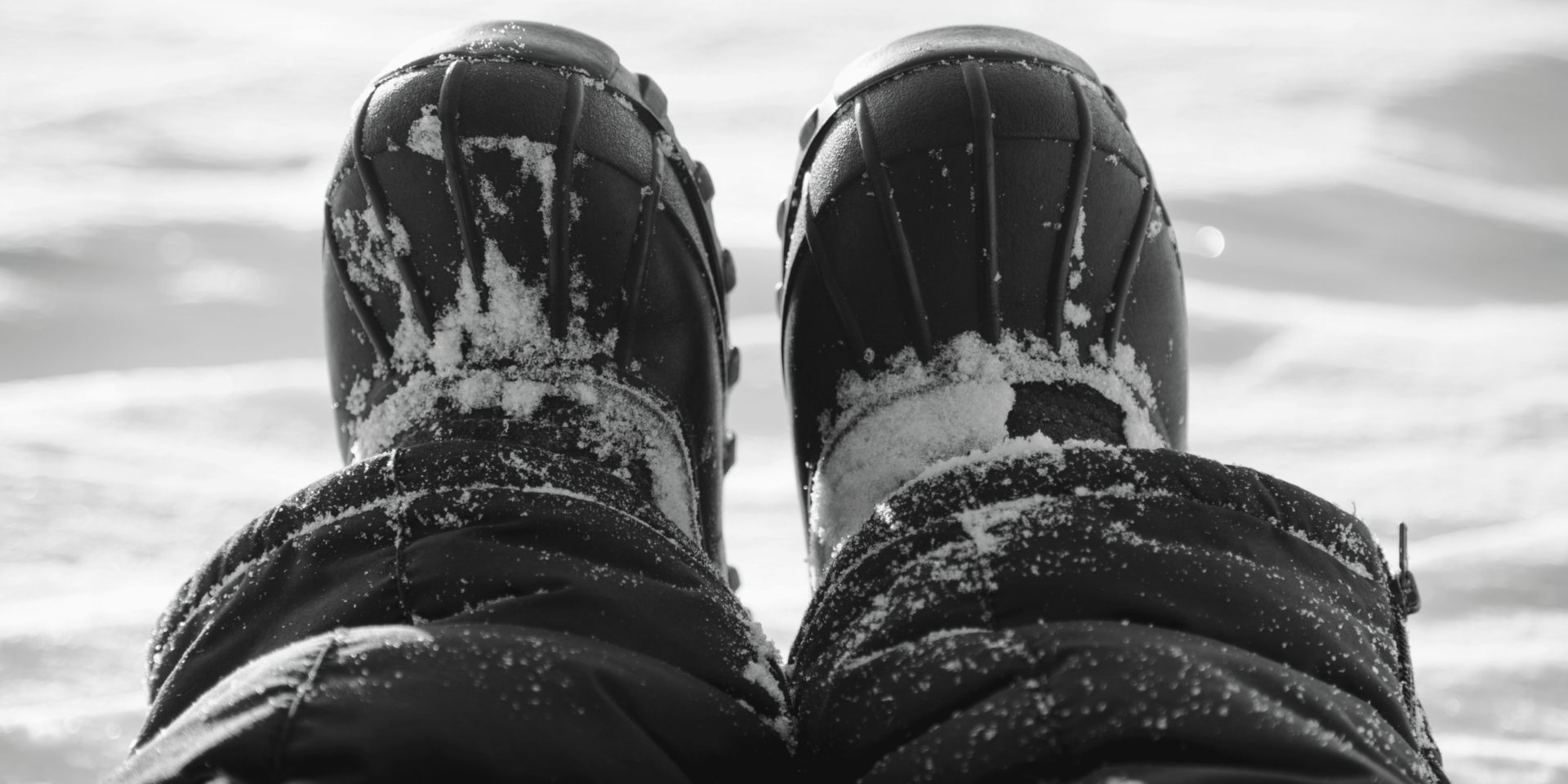
High-quality boots manage temperature, moisture, and movement. They stay warm in cold weather, dry in wet conditions, and breathable during extended wear. Whether standing, walking, or working, your boots must respond to the environment while protecting your feet from the elements.

When the right materials and design come together, cold toes and damp socks don’t stand a chance.