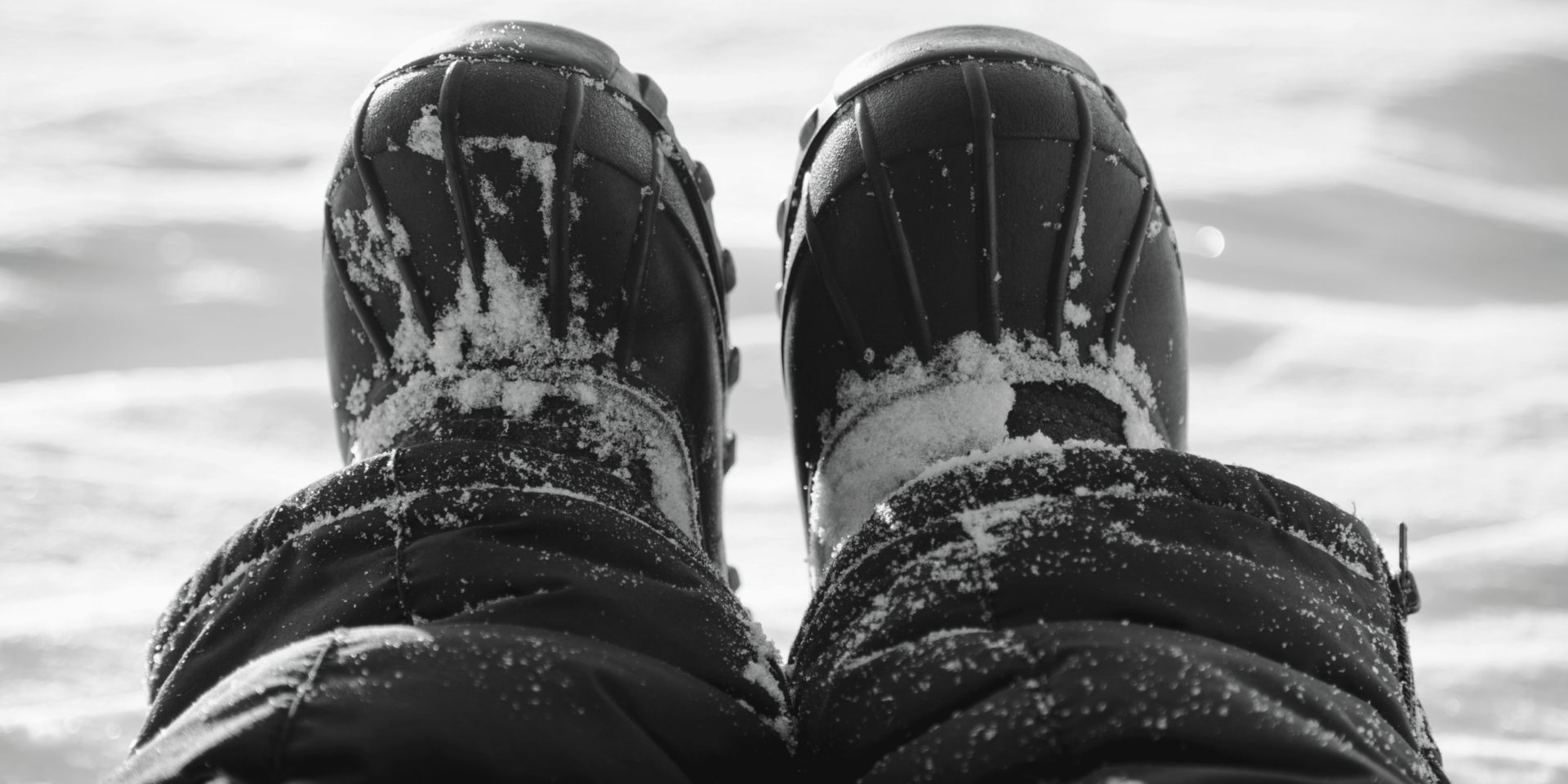
Keeping your feet warm and dry in cold or wet conditions is not about luck. It’s about understanding the materials, technology, and fit that protect your body’s most active extremities. Your feet work hard, and they’re one of the first parts of the body to react to temperature shifts and moisture.
This is where smart boot design and performance materials make all the difference.
Insulation Regulates Heat and Prevents Heat Loss
Boot insulation isn’t just padding—it’s engineered to trap warm air close to your foot while blocking cold air from the outside. Proper insulation uses materials like synthetic fiber clusters or natural wool to slow the transfer of heat. These fibers create tiny air pockets, which hold warmth even when the temperature drops.
In a cold-weather scenario where someone is standing on frozen ground for hours, poorly insulated boots let heat escape through the sole and upper. In contrast, well-insulated boots reduce energy loss and allow the wearer to maintain warmth without constant movement.
When choosing boots for winter or wet conditions, insulation rating and thickness directly affect your body’s ability to retain heat in your feet.
Waterproof Membranes Block Moisture from Penetrating
Waterproof technology inside a boot plays a key role in keeping feet dry. A waterproof membrane acts as a barrier between the outside elements and the inner boot layers. This membrane must allow air to escape (so your feet don’t sweat excessively), while preventing water from seeping in.
Membranes like eVent and GORE-TEX are designed with microscopic pores that block liquid but allow vapor to pass through. This keeps the boot breathable even in wet conditions.
If someone steps through puddles, wet grass, or melting snow throughout their day, the membrane ensures no external water reaches the footbed—maintaining dryness and reducing the risk of cold-related discomfort.
Boot Liners Control Internal Moisture from Sweat
Even in cold weather, feet can sweat. That internal moisture needs to go somewhere, or it builds up inside the boot. This causes discomfort, heat loss, and even blisters.
A well-designed boot includes a moisture-wicking liner that draws sweat away from the skin and moves it toward the surface of the boot. These liners typically use polyester or other synthetic fibers with hydrophobic properties. This means they don’t absorb water but instead channel it away.
During long periods of wear, someone working in an insulated boot without a moisture-wicking liner will feel the sweat accumulate. That moisture lowers insulation performance and increases the chill factor. Liners are a hidden but essential part of keeping your feet dry from the inside out.
Outsoles Reduce Heat Loss and Stop Water Entry
Outsoles are the thick layer between your feet and the ground. In cold, wet environments, the outsole must do two things: block heat from escaping and stop water from entering through cracks or worn areas.
High-performance outsoles use dense rubber that resists compression. This prevents cold from being transferred up into the foot. Deep tread patterns also keep water from pooling beneath the boot, improving grip while limiting surface exposure.
In real-world use, someone walking across wet pavement or snow-covered gravel all day depends on the outsole to stay dry and maintain heat from underneath. The wrong sole type leads to cold, soaked feet before noon.
Proper Boot Fit Helps Retain Warmth
Fit is often overlooked in discussions about warmth and dryness, but it plays a central role. Boots that are too tight restrict blood flow, making it harder for your feet to stay warm. Boots that are too loose allow cold air to circulate and moisture to build up due to friction and poor insulation contact.
A properly fitted boot allows room for circulation and layered socks while still locking the heel and midfoot in place. This prevents rubbing, limits internal sweat buildup, and ensures insulation stays in contact with the foot.
When someone wears boots that match the shape of their feet, they retain warmth longer and experience fewer cold spots, especially at the toes and arch.
Sealed Seams and Gussets Keep Out External Water
Even waterproof materials won’t help if seams and openings let water in. Boot construction methods have evolved to seal these weak points.
Modern boots use sealed seams, taped stitching, and gusseted tongues to protect against leaks. A gusseted tongue means the sides are attached to the boot, not left open. This blocks water from running through the laces and into the boot’s interior.
In daily wear, someone walking through slush or wet leaves benefits directly from these construction details. Water hits the boot but doesn’t enter. The structure keeps feet dry without needing extra layers or bulky overboots.
Sock Compatibility Supports Temperature Regulation
The sock you wear inside a boot affects both warmth and moisture control. Boots designed with thermal regulation in mind provide room for thicker socks without compressing insulation or cutting circulation.
Boot interiors must accommodate layered socks while allowing sweat vapor to escape. Materials like wool-blend socks work with the boot’s liner and membrane, improving dryness and heat retention.
A person who spends long hours outdoors in cold environments sees better performance when their boots and socks are designed to work as a unit—not in conflict.
The Balance of Breathability and Protection
While warmth and waterproofing are essential, breathability ensures the system works over time. A boot that traps heat but holds in sweat creates a damp environment. Over time, that leads to blisters, odor, and insulation breakdown.
Breathable boots strike a balance by allowing internal moisture to leave without letting external water in. This equilibrium keeps the internal microclimate comfortable and dry, even during extended wear.
In everyday use—commuting in rain, working outside, or moving across different environments—breathable boots help feet stay dry both from the weather and from within.
The Result: Warm, Dry, Ready to Move
The science behind warm feet and dry steps combines insulation, waterproofing, airflow, and construction. It’s not a single feature that keeps feet comfortable—it’s the system working together.
High-quality boots manage temperature, moisture, and movement. They stay warm in cold weather, dry in wet conditions, and breathable during extended wear. Whether standing, walking, or working, your boots must respond to the environment while protecting your feet from the elements.
When the right materials and design come together, cold toes and damp socks don’t stand a chance.