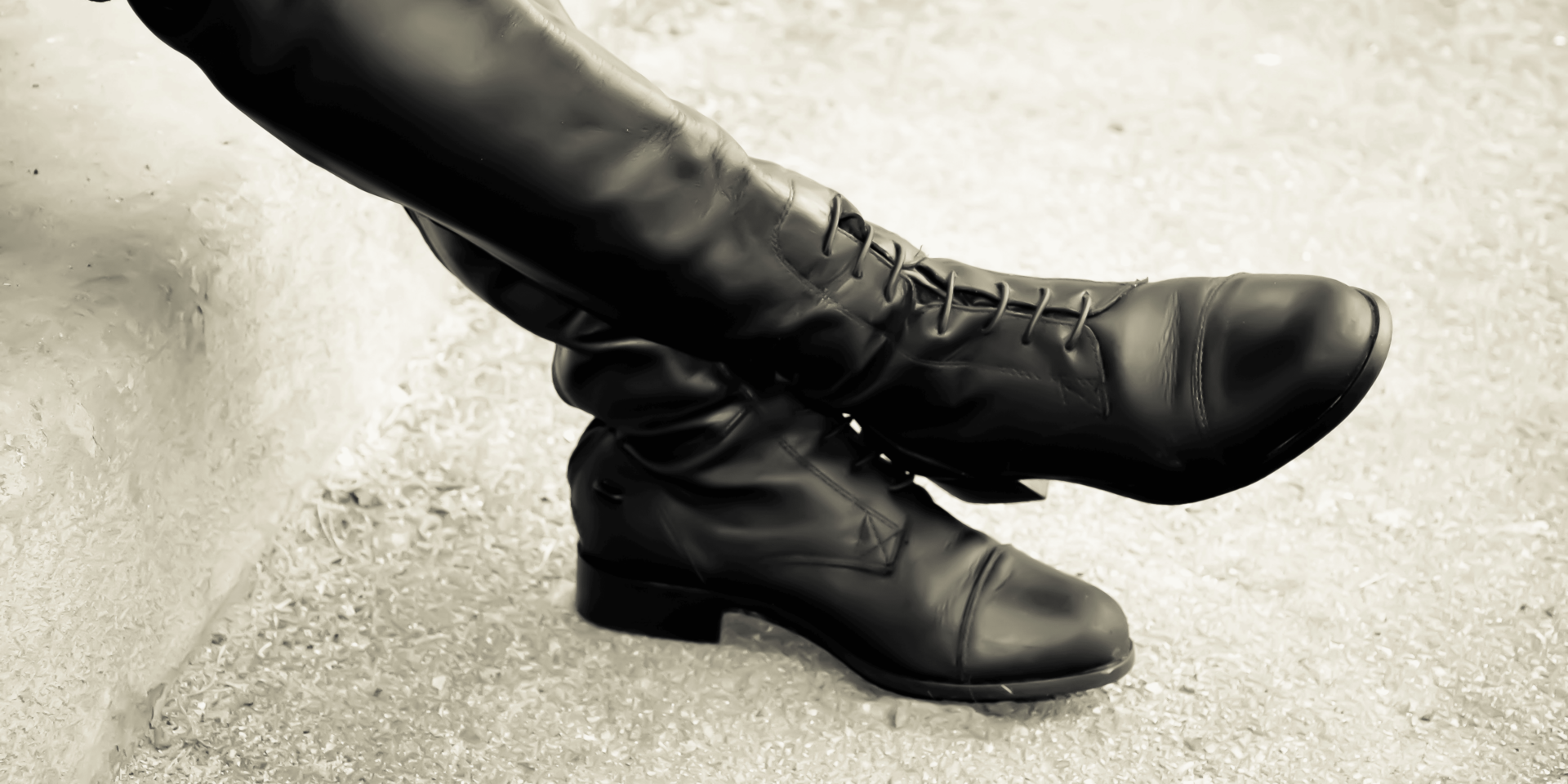
A new pair of boots often feels stiff at first. But that initial discomfort shouldn’t lead to pain, blisters, or regret. The real journey to a proper fit is less about forcing your foot to adapt—and more about choosing the right materials, construction, and break-in method.
Here’s how boots should actually feel, move, and perform as they conform to your stride over time.
Fit Starts With Structure, Not Size
Boots that fit well aren’t just the right length—they match the shape of your foot. Heel width, arch height, and toe box depth all affect how a boot feels during the first hours of wear.
A person walking several blocks to and from work each day will notice pressure points quickly if the boot doesn’t align with their natural foot shape. A tight toe box restricts circulation, while a loose heel causes rubbing. These issues don’t resolve on their own during break-in—they worsen.
The best fit happens when the boot’s interior mirrors your foot’s form, reducing movement and friction right from the start.
Quality Leather Adapts to Movement, Not Just Time
The boot’s upper material plays a major role in the break-in process. Full-grain leather molds slowly to the foot’s shape while maintaining structure. Cheaper materials either resist movement or collapse, causing long-term fit problems.
In daily wear, where someone stands or walks for hours at a time, high-quality leather flexes with the natural bend of the foot. This adaptability prevents creases from forming in the wrong spots and stops pressure from building on the toes or ankle.
Boots made from flexible yet durable leather break in smoothly without losing support.
Proper Flex Zones Reduce Foot Strain
Boots should bend where your foot bends. That sounds simple, but many designs miss this detail. A natural flex zone should exist at the ball of the foot, allowing motion without forcing the leather or sole to twist unnaturally.
When someone climbs stairs, walks inclines, or crouches at work, boots with improper flex points resist movement. That resistance stresses both the material and the foot, leading to discomfort and delayed break-in.
When the boot bends with you—not against you—it protects the structure of your foot and the integrity of the boot.
Gradual Wear-In Prevents Long-Term Damage
Wearing new boots all day on the first try can lead to pain and even injury. A break-in period should follow a pattern of short, repeated wear—gradually increasing in duration each day.
Someone who wears boots for light movement in the morning and switches footwear later in the day will notice a smoother break-in. The materials soften with controlled use instead of excessive force, which extends the life of both the boot and the user’s comfort.
This slow introduction allows internal components like the insole, lining, and stitching to settle without stress.
Heel Lock Prevents Slippage and Friction
A secure heel prevents the foot from sliding during movement. Without proper heel lock, the boot rubs along the back of the foot—leading to blisters and instability. This isn’t a break-in issue. It’s a fit issue that worsens with wear.
During long walks, even slight heel movement can lead to discomfort. A boot that locks the heel in place supports the ankle and centers the foot. Over time, the material softens around the locked-in fit, not away from it.
A stable heel leads to a balanced stride and a faster, safer break-in process.
Interior Padding Must Compress—Not Collapse
Modern boots often include foam padding around the collar, tongue, and footbed. These components must compress to match your foot, not collapse completely. If padding disappears within a few wears, it can no longer protect pressure points or hold shape.
Someone working on concrete floors daily needs boots that support the ankle and arch with resilient cushioning. When padding is designed for gradual shaping, it conforms without flattening. That means the boot continues to provide comfort well beyond the break-in period.
Long-lasting support starts with materials that adjust instead of wear out.
Lace Systems Adjust Fit During Break-In
Laces aren’t just for securing the boot—they help guide the break-in. Strategic lacing reduces pressure on certain zones while tightening others. A well-designed lacing system allows micro-adjustments each day, which prevents swelling, pinching, or instability.
A person moving from indoors to outdoors, or from sitting to walking, needs the ability to adapt their boot’s fit instantly. Over time, proper lacing encourages even softening of the leather and consistent pressure across the foot.
Boots that offer speed hooks or multiple eyelets provide the most flexibility during this period.
Insole and Footbed Shape Define Final Fit
The footbed is the foundation of comfort. A contoured insole supports the arch and cushions the heel, both of which absorb most of the day’s impact. During break-in, the insole should adapt slightly—but not flatten.
Someone walking across mixed surfaces—carpet, tile, gravel—needs responsive support. If the insole compresses too quickly, the foot shifts during motion, throwing off balance and posture. That instability leads to fatigue, even if the outer boot feels fine.
The ideal break-in results in a footbed that contours to your stride without losing structure.
Fit Should Improve, Not Shift
Boots that are built well don’t “stretch to fit”—they settle into place. During a true fit journey, the boot becomes more comfortable without becoming loose. Key areas like the arch, heel, and toe box maintain shape while softening.
If someone notices their boot growing wider or sloppier after a few weeks, the materials or design are flawed. That movement reduces support and shortens the lifespan of the boot.
The best break-in process creates a stable, form-fitting boot—not one that just gets “less tight.”
The End of Break-In Is the Beginning of Longevity
When boots are broken in correctly, they don’t feel worn—they feel right. The shape matches your movement. The pressure points have softened. The structure remains strong.
At that point, the boots are no longer adjusting—they’re performing. Whether someone wears them for work, travel, or daily errands, the comfort doesn’t fade. It builds.
And that’s the goal: a boot that becomes part of your stride, not a struggle against it.