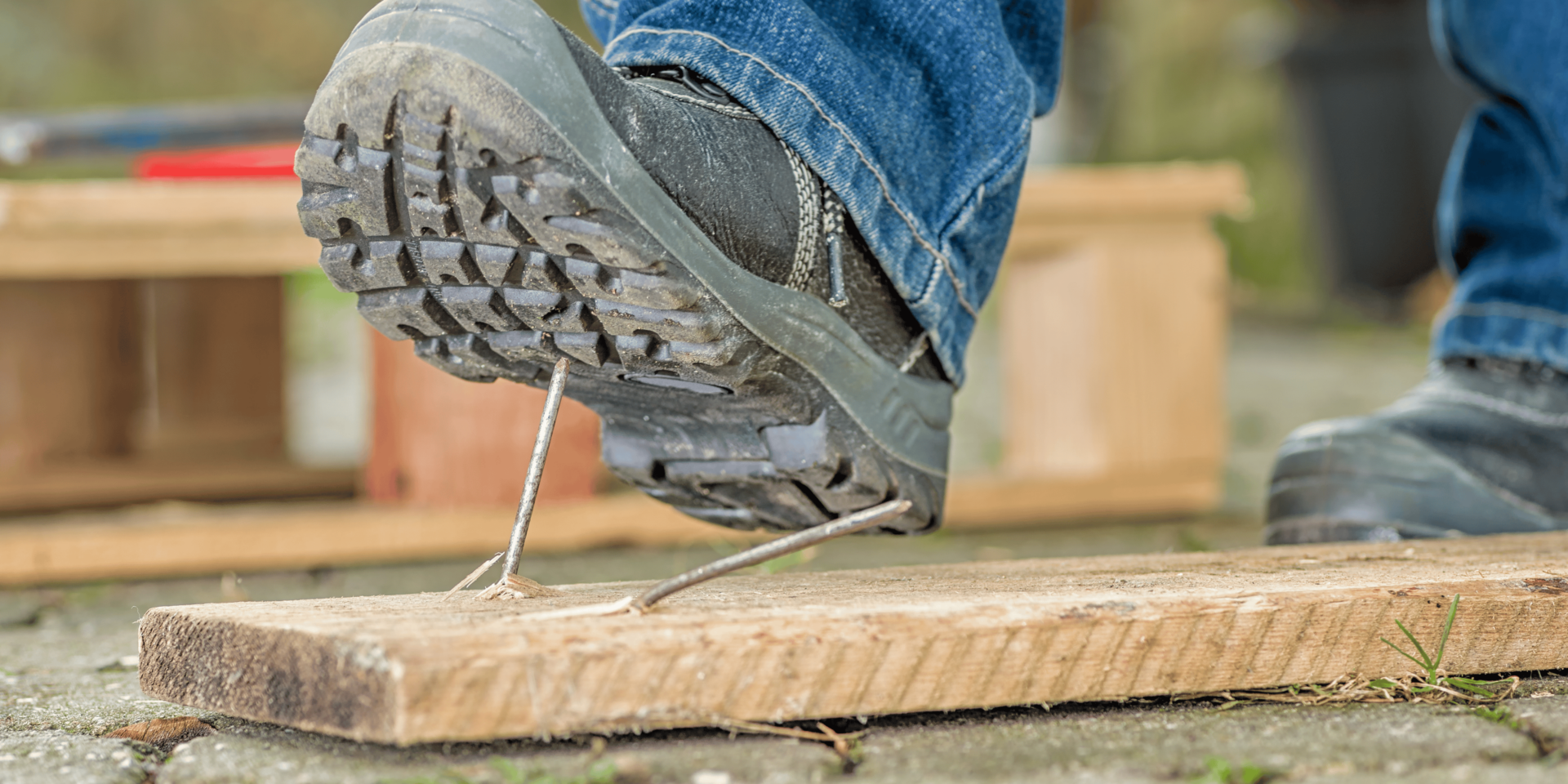
A great boot is more than just rugged. It’s a product of design, material science, and real-world function. Every component, from the laces to the outsole, plays a role in how the boot performs over time. Whether you’re working long shifts or navigating unpredictable terrain, a great boot must balance durability with comfort.
Let’s examine the key elements that define a boot built to endure.
Construction Defines the Strength of the Boot
Boot construction determines how the upper connects to the sole—and how long the boot can survive heavy use.
Goodyear welt and stitchdown methods reinforce the bond between the boot’s upper and sole. These techniques use precise stitching to lock components together, forming a base that can be resoled when worn down. In comparison, glued or cemented soles often fail under regular pressure, especially in high-motion areas like the ball of the foot.
In daily use, such as walking across uneven ground or standing on abrasive surfaces, a stitched sole maintains integrity where adhesives break down. This makes construction the first indicator of long-term strength.
Full-Grain Leather Provides Lasting Support and Flex
The upper section of the boot should do more than hold shape—it must resist wear while adapting to your foot’s movement.
Full-grain leather offers the best balance between flexibility and durability. It resists moisture, retains its structure, and molds gradually to the foot over time. In a realistic work scenario involving heat, dirt, or moisture exposure, lesser materials stretch, crack, or wear thin. Full-grain leather, when cared for, stays strong without weakening around stress points.
This type of leather also handles temperature swings without becoming brittle, which is critical for maintaining year-round performance.
Outsole Composition Impacts Grip and Shock Absorption
The outsole determines how well a boot grips surfaces and absorbs the impact of repeated movement.
Rubber outsoles are ideal for high-traction needs. They perform on concrete, gravel, or wet surfaces, giving consistent grip without sliding. Lightweight compounds may wear quickly or fail under sharp pressure. Dense rubber, on the other hand, offers controlled flex and superior resistance to cuts or cracks.
Someone walking long distances daily, or carrying heavy gear, relies on the outsole to reduce joint strain. If the sole compresses too fast or lacks grip, performance drops fast. That’s why outsole quality remains a non-negotiable factor in serious boot design.
Midsole Support Stabilizes the Entire Foot
A quality boot includes a midsole that cushions the foot without collapsing. This layer absorbs shock and stabilizes the arch.
Materials like polyurethane and EVA foam offer long-term responsiveness. These midsoles adjust to terrain changes while distributing weight across the foot. During extended wear—such as on job sites or during fieldwork—a weak or overly soft midsole leads to fatigue and loss of foot alignment.
A well-built midsole holds its shape through months of use, preventing soreness and protecting the structure of the entire boot.
Toe Protection Shields Against Impact and Wear
Toe boxes in great boots aren’t just for shape—they protect the foot and the boot’s front edge from damage.
A reinforced toe box—made from steel, composite, or thick leather—adds a layer of protection in high-contact areas. If someone spends hours walking or kneeling on hard ground, the toe area takes the most friction. Weak materials in this zone split, scuff, or collapse.
Boots with solid toe protection last longer because they keep structure where the most contact occurs. Over time, this keeps both the foot and the boot in better condition.
Lining and Padding Regulate Interior Comfort
Boot interiors affect how the boot feels after hours of wear. Poorly made linings rub, trap heat, or retain moisture—leading to irritation and discomfort.
Quality linings use moisture-wicking fabrics that pull sweat away from the foot. When paired with breathable padding around the collar and tongue, these linings help regulate foot temperature and reduce friction.
If someone wears boots through long shifts or on hot days, interior comfort matters as much as exterior toughness. Padding must compress—not flatten—so the boot continues to provide protection and comfort as it breaks in.
Insole Shape Supports Arch and Heel Stability
The insole plays a critical role in comfort and fit. It supports the heel, cushions the arch, and helps the foot remain stable under pressure.
An insole made from dual-density foam or molded EVA shapes to the foot over time. This contouring helps absorb impact during walking, climbing, or standing. In extended wear scenarios, the right insole reduces fatigue and keeps the foot aligned with the boot’s frame.
Boots that neglect insole quality lose comfort quickly. Once that happens, even the best exterior materials can’t make up for the internal discomfort.
Hardware Affects Durability and Fit Control
Eyelets, hooks, and laces control how securely the boot fits—and how well it holds up to repeated use.
Solid metal hardware resists bending and breaking under pressure. Plastic or thin eyelets fail when laces are pulled tightly or exposed to moisture. The lace system also affects how pressure is distributed across the foot, which directly impacts comfort and control.
Someone who frequently adjusts their laces throughout the day needs hardware that won’t wear out. Strong components ensure that the fit remains adjustable without weakening the structure of the boot.
Craftsmanship Ties the Entire Boot Together
Beyond materials, the quality of the boot depends on how it’s made. Attention to detail during stitching, sole attachment, and finishing affects how long the boot holds up under daily wear.
Even premium materials fail when poorly assembled. Craftsmanship ensures each component works together as a system—not just as parts. In the field, where a boot bends, twists, and supports weight, that construction quality makes the difference between a reliable boot and one that falls apart.
When the boot is crafted with precision, it maintains shape, fit, and performance over months or even years.
A Great Boot Withstands the Demands of Daily Movement
A great boot doesn’t just look tough. It holds up to movement, pressure, temperature changes, and moisture—every day. Its components are built to support your foot, reduce fatigue, and deliver traction when you need it most.
Whether crossing work zones, trails, or long pavement stretches, the right boot keeps your feet protected without breaking down. The result is more than comfort—it’s a boot that lasts because it’s built for the way you move.
That’s where craft meets grit.