From Pavement to Pine Needles: A Day in the Life of Reliable Soles

Daily Versatility Begins with the Right Soles

Reliable boots perform best when soles match the needs of everyday movement. From morning walks on pavement to evening hikes through forest trails, soles must adapt without slowing the wearer down.

Urban Surfaces Require Grip Without Bulk

Walking across sidewalks, crosswalks, and building entrances requires steady footing. Soles designed for urban use provide traction without dragging. Flat tread zones reduce friction on smooth surfaces, while flexible midsoles adjust to constant motion.

Midday Terrain Shifts Challenge Flexibility

By mid-afternoon, routes often include mixed terrain—gravel paths, wooden bridges, or grass-covered edges. Boots with responsive soles bend slightly without losing support. This flexibility maintains balance across different surfaces while reducing fatigue.

Outdoor Environments Test Shock Absorption

As trails lead into natural areas, impact increases. Rocks, roots, and uneven terrain demand soles that protect feet from constant pressure. Durable outsoles with cushioned layers help absorb shock while preserving stability.

Traction Becomes Essential on Forest Floors

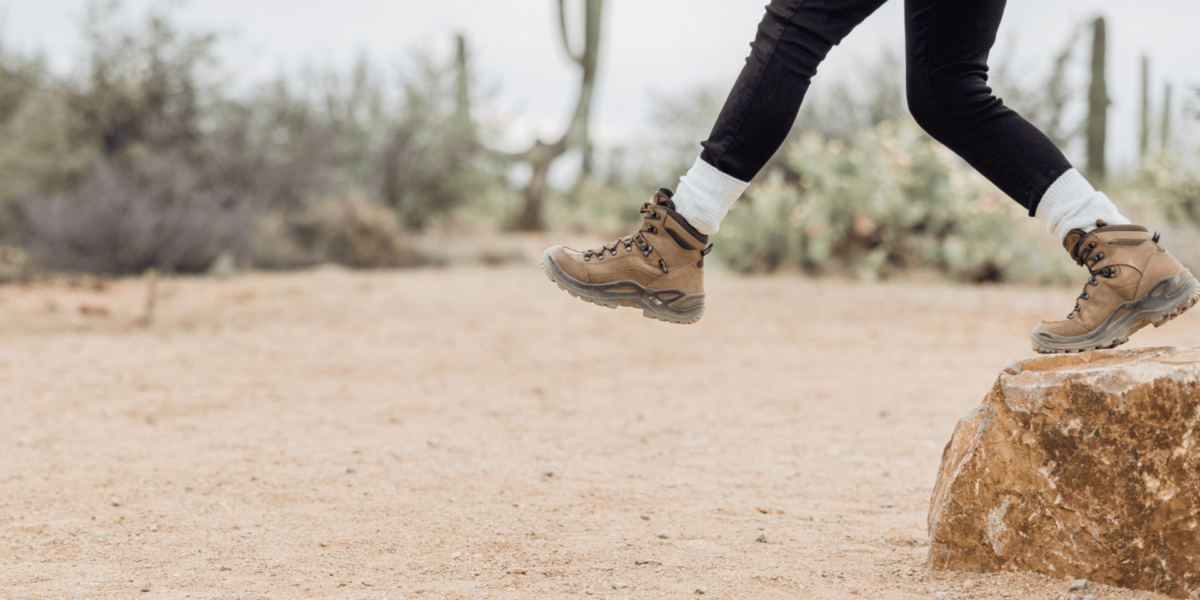
Moving through pine needles or loose soil calls for deep lugs and grippy patterns. Soles with multidirectional traction prevent slips when ground cover becomes slick. Confidence in each step reduces hesitation on unpredictable terrain.

Weather Conditions Push Soles to Perform

Morning dew, sudden rain, or dry dust challenge how soles manage moisture and grip. Materials like rubber and EVA blends resist water absorption while maintaining traction. A well-sealed sole keeps feet dry without trapping heat.

Edge Support Matters on Narrow Paths

Forest trails or rocky ledges require side stability. Soles with reinforced edges protect from rolling ankles and shifting footing. A secure platform across uneven ground reduces missteps and supports safer movement.

Evening Transitions Highlight All-Day Performance

As the day ends, soles that remain comfortable and effective show their value. A long day of walking, climbing, and standing proves how well the materials, tread, and structure hold up. Feet that stay supported reflect the boot’s long-term quality.

Durability Shows in How Soles Age

Soles that wear evenly and keep their shape signal good construction. Even after exposure to concrete and trail debris, reliable soles resist cracking and splitting. Their lifespan becomes part of the user’s routine, not a short-term solution.

Choose Soles That Match Every Step

From the first block of pavement to the last pine-covered trail, reliable soles shape how the day feels. They adjust to ground, movement, and weather without losing purpose. When soles support the full range of motion and terrain, boots stop being gear—they become trusted tools for everyday life.

Leather in Motion: How Boots Adapt to Everyday Terrain

Daily Terrain Challenges the Flexibility of Leather Boots

Each day brings different walking surfaces—pavement, gravel, grass, stairs, or slick tile. Quality leather boots adjust to these shifts without losing support. This adaptability makes them dependable in city streets, suburban paths, or rural roads.

Leather Forms to Movement Over Time

As boots break in, the leather molds to your walking style. With each step, it softens at pressure points and flexes along natural bends. This personalized fit reduces friction and increases comfort. Well-treated leather retains shape while responding to your stride.

Outsole Design Supports Multi-Surface Stability

Boot outsoles must handle transitions between indoor and outdoor spaces. Deep lugs offer grip on loose ground, while flatter zones keep traction on smooth floors. Durable rubber and firm midsoles protect feet from impact on hard surfaces while maintaining flexibility.

Weather Conditions Test Material Resilience

Leather boots face shifting weather—dry heat, damp mornings, or sudden rainfall. Treated leather resists moisture while remaining breathable. As the material adjusts to temperature and humidity, it protects against cracking or stiffness. Conditioning and proper care extend this resistance.

Foot Support Matters Across Varied Ground

Curbs, ramps, and unpaved lots test the boot’s ability to keep balance. Arch support and padded collars stabilize the foot during angle changes or uneven pressure. Consistent alignment reduces joint strain, especially on long days moving across mixed terrain.

Seam Placement and Stitching Prevent Wear Zones

Walking over different ground types creates stress points in specific areas of the boot. Reinforced seams and hidden stitching in high-impact zones reduce the chance of material failure. Quality construction supports long-term use without loosening or separating.

Insole Shape Maintains Comfort on Changing Paths

As you walk from soft to hard ground, insole padding absorbs the shift in pressure. Memory foam or molded insoles adjust to your step and distribute weight. This reduces fatigue when walking on concrete, tile, or other firm surfaces.

Leather Adapts Without Losing Its Form

Even as leather molds to the foot, it holds structure. This balance allows the boot to flex without collapsing. During side steps, sudden stops, or longer climbs, the boot responds without sagging. The leather acts like a second layer of protection.

Urban and Natural Environments Require the Same Durability

Whether navigating city curbs or uneven footpaths, boots face impact, moisture, and abrasion. Leather with built-in resistance performs under both conditions. It protects feet from the top down while the outsole handles the terrain below.

Longevity Reflects the Boot’s Daily Work

The marks on leather—creases, scuffs, and softened edges—show how boots respond to your routine. When properly maintained, they become stronger with age. Leather doesn’t just endure everyday terrain; it learns from it, adapting to your path while keeping your feet ready for the next step.

Weathered Paths, Lasting Boots: Stories Your Footwear Tells

Every Boot Marks the Start of a Journey

When you lace up your boots and take that first step, you begin more than just a walk. The condition of your boots and how they respond to terrain tell a silent story. Over time, they form a record of where you’ve been and how far you’ve come.

Scuffed Leather Reveals Real-World Use

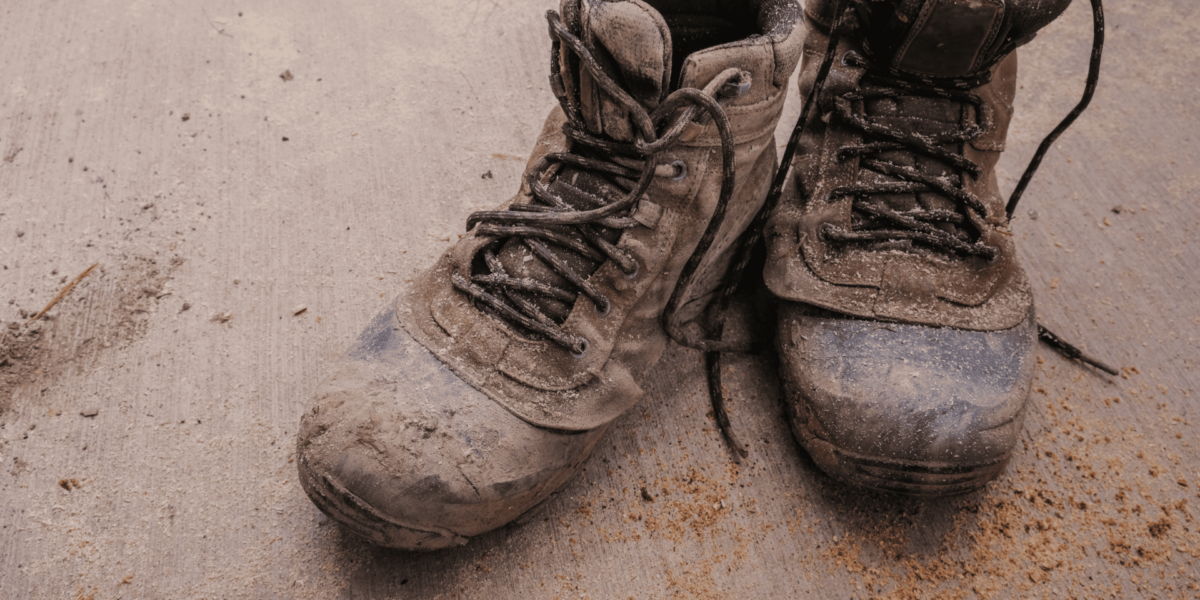
Smooth leather doesn’t stay that way for long. Scratches and marks on the surface show impact points from gravel, brush, and repeated movement. These signs of wear are not flaws—they’re proof of use. Quality leather boots absorb these effects without breaking down, aging with character instead of failure.

Outsoles Map Your Terrain Choices

Boot soles take the brunt of every step. Worn tread at the heel might indicate long descents. Midsole pressure shows where your stride hits hardest. When you inspect the wear pattern, you learn how your body moves and how your boots responded. Good outsoles grip consistently through varied surfaces, leaving behind signs of trust, not trouble.

Creases Follow the Shape of Experience

Over time, boots bend to your pace and posture. The way leather folds along the toe box or around the ankle shows where movement repeats. These creases reflect habit, trail type, and walking rhythm. Each fold becomes a memory built into the structure of the boot.

Stains Speak to Environment and Element

Water lines, dust streaks, or dried mud tell you more than weather—they trace your interaction with the land. The ability of boots to handle these exposures without breaking down speaks to their build quality. A stain may fade, but its presence shows the range of conditions your gear has overcome.

Stitching Strength Holds Through the Miles

Reinforced seams along the upper and sole indicate intentional design. When those stitches hold, even as the outer layer shows age, you know the construction matters. Loose threads or frayed seams, when rare, serve as indicators of contact—not failure—when placed against consistent performance.

Insoles Change with Repetition and Time

Interior wear tells a quieter story. Compressed padding and smooth footbeds suggest long hours on foot. The shape of the insole eventually mirrors your stride. While this wear is hidden from view, it’s critical to long-term comfort. It signals where boots supported you best and how they could serve even longer with care.

Soles That Hold Their Shape Earn Your Trust

Boots that keep structure over time show their value. Sagging midsoles or collapsed heels lead to discomfort and fatigue. But boots that resist deformation across varied conditions support consistent posture and pace. Their resilience becomes visible in what doesn’t break down.

Replacement Parts Extend the Story

A resoled boot or replaced lace doesn’t erase history—it extends it. Repairable boots show thoughtful design and material strength. Each update reflects a decision to keep going rather than start over. This choice shows the value of gear that builds story instead of ending it.

The Trail Changes, But Your Boots Adapt

Boots that stay with you over time grow more familiar with each use. You trust their grip, understand their flex, and adjust to their fit as your needs shift. These small, continuous changes create a relationship between gear and user—a connection built across weathered paths and earned in quiet, lasting moments.

Boots Tell the Truth of Where You’ve Been

Your footwear holds a story that’s visible in every mark and worn seam. It records effort, distance, and time without words. The value isn’t in how new they look—but how well they’ve held up. Boots that last don’t just support—they speak for the miles behind you.