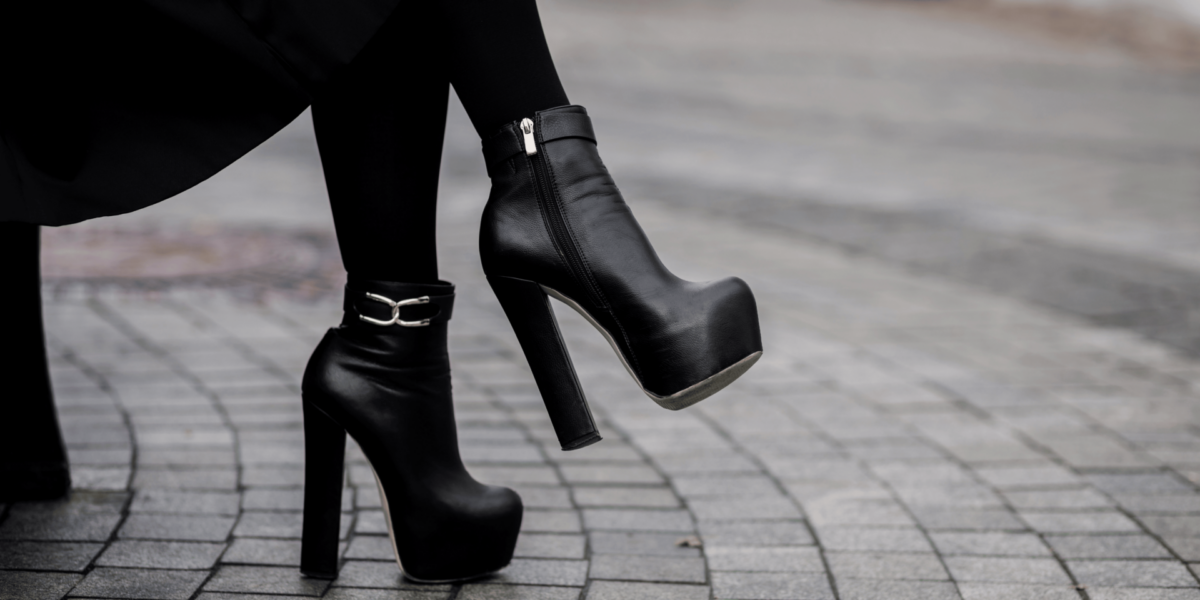
Daily Terrain Challenges the Flexibility of Leather Boots
Each day brings different walking surfaces—pavement, gravel, grass, stairs, or slick tile. Quality leather boots adjust to these shifts without losing support. This adaptability makes them dependable in city streets, suburban paths, or rural roads.
Leather Forms to Movement Over Time
As boots break in, the leather molds to your walking style. With each step, it softens at pressure points and flexes along natural bends. This personalized fit reduces friction and increases comfort. Well-treated leather retains shape while responding to your stride.
Outsole Design Supports Multi-Surface Stability
Boot outsoles must handle transitions between indoor and outdoor spaces. Deep lugs offer grip on loose ground, while flatter zones keep traction on smooth floors. Durable rubber and firm midsoles protect feet from impact on hard surfaces while maintaining flexibility.
Weather Conditions Test Material Resilience
Leather boots face shifting weather—dry heat, damp mornings, or sudden rainfall. Treated leather resists moisture while remaining breathable. As the material adjusts to temperature and humidity, it protects against cracking or stiffness. Conditioning and proper care extend this resistance.
Foot Support Matters Across Varied Ground
Curbs, ramps, and unpaved lots test the boot’s ability to keep balance. Arch support and padded collars stabilize the foot during angle changes or uneven pressure. Consistent alignment reduces joint strain, especially on long days moving across mixed terrain.
Seam Placement and Stitching Prevent Wear Zones
Walking over different ground types creates stress points in specific areas of the boot. Reinforced seams and hidden stitching in high-impact zones reduce the chance of material failure. Quality construction supports long-term use without loosening or separating.
Insole Shape Maintains Comfort on Changing Paths
As you walk from soft to hard ground, insole padding absorbs the shift in pressure. Memory foam or molded insoles adjust to your step and distribute weight. This reduces fatigue when walking on concrete, tile, or other firm surfaces.
Leather Adapts Without Losing Its Form
Even as leather molds to the foot, it holds structure. This balance allows the boot to flex without collapsing. During side steps, sudden stops, or longer climbs, the boot responds without sagging. The leather acts like a second layer of protection.
Urban and Natural Environments Require the Same Durability
Whether navigating city curbs or uneven footpaths, boots face impact, moisture, and abrasion. Leather with built-in resistance performs under both conditions. It protects feet from the top down while the outsole handles the terrain below.
Longevity Reflects the Boot’s Daily Work
The marks on leather—creases, scuffs, and softened edges—show how boots respond to your routine. When properly maintained, they become stronger with age. Leather doesn’t just endure everyday terrain; it learns from it, adapting to your path while keeping your feet ready for the next step.