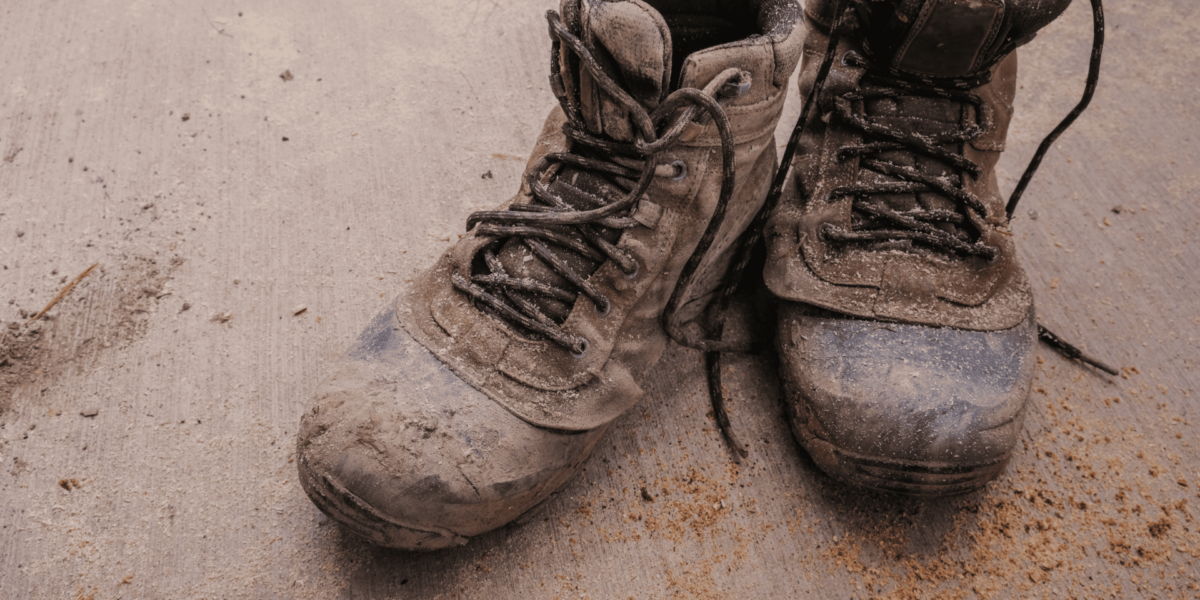
Secure Lacing Sets the Tone for the Day
Boot laces do more than fasten shoes—they anchor the fit. When laces hold tight, the entire structure of the boot works in harmony with the foot. A snug, even fit at the start of the day ensures the boot stays responsive over miles of movement.
Foot Stability Begins at the Eyelets
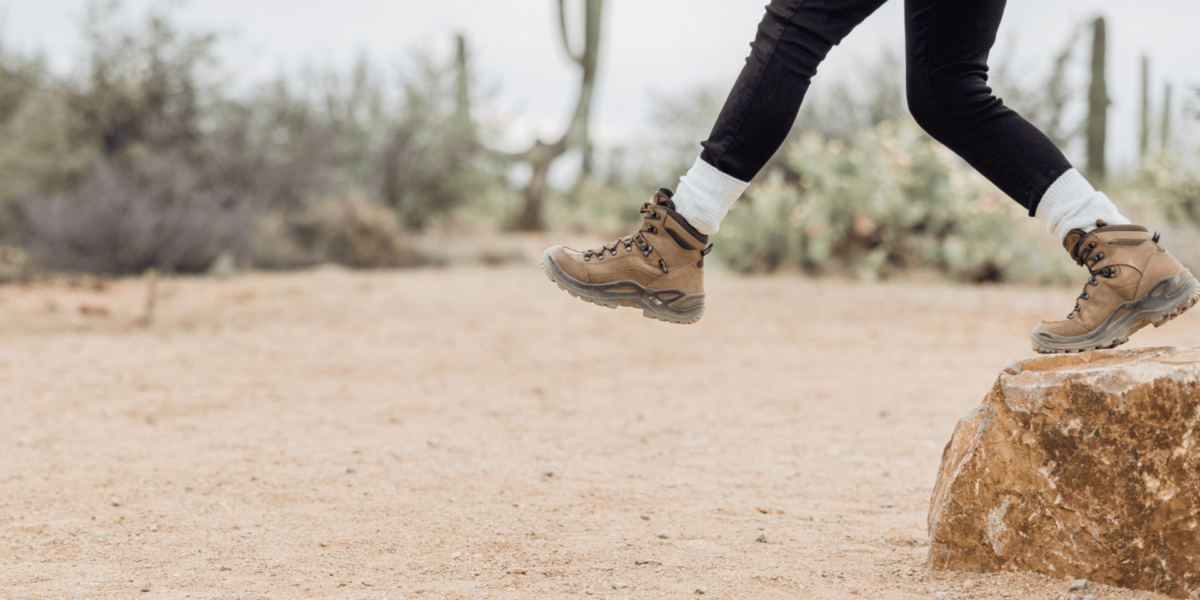
Eyelets guide how the boot secures the foot. Proper tension at each point along the lace line keeps the foot centered and reduces internal shifting. This consistent hold reduces the risk of hot spots and blisters during longer walks.
Pressure Distribution Reduces Fatigue
Balanced lacing spreads pressure evenly across the top of the foot. Without it, certain points take on too much strain, leading to discomfort. Uniform tension along the laces supports the foot’s natural alignment and preserves energy.
Responsive Fit Supports Varying Terrain
Laces that stay secure adjust with your pace. As terrain shifts from flat paths to uneven trails, the boot maintains its structure. This support helps the boot flex where needed while keeping the foot protected and in place.
Heel Locking Improves Traction and Control
Tight lacing around the ankle reduces heel lift. This prevents the foot from sliding inside the boot during climbs or descents. A locked-in heel improves traction and allows better control on both loose gravel and hard pavement.
Weather Resistance Depends on Fit Integrity
Rain or dust can compromise comfort if boots are not sealed well. Laces that stay tight keep the boot tongue in position, creating a barrier against debris. This seal works with waterproof materials to protect the foot throughout variable weather.
Long-Distance Comfort Relies on Minor Adjustments
A secure lace lets you make quick, effective adjustments throughout the day. Whether tightening before a hill or loosening for level ground, laces give you control without removing the boot. This flexibility extends comfort without slowing progress.
Material Matters in Holding Tension
The type of lace impacts how well it stays tied. Woven materials grip better and resist loosening. Smooth synthetic laces may need more frequent adjustment. Choosing durable, friction-resistant laces enhances long-term fit reliability.
Maintenance Keeps Laces Functional
Worn or frayed laces fail when needed most. Regular checks for wear help prevent breakage mid-walk. Replacing laces before damage sets in ensures the rest of the boot performs at its best.
Confidence Comes from Consistency
When the laces stay tight and the fit holds, you move with focus. There’s no distraction from slipping heels or loose eyelets. Just steps forward, uninterrupted, with gear that supports the journey from start to finish.