From Pavement to Pine Needles: A Day in the Life of Reliable Soles

Daily Versatility Begins with the Right Soles

Reliable boots perform best when soles match the needs of everyday movement. From morning walks on pavement to evening hikes through forest trails, soles must adapt without slowing the wearer down.

Urban Surfaces Require Grip Without Bulk

Walking across sidewalks, crosswalks, and building entrances requires steady footing. Soles designed for urban use provide traction without dragging. Flat tread zones reduce friction on smooth surfaces, while flexible midsoles adjust to constant motion.

Midday Terrain Shifts Challenge Flexibility

By mid-afternoon, routes often include mixed terrain—gravel paths, wooden bridges, or grass-covered edges. Boots with responsive soles bend slightly without losing support. This flexibility maintains balance across different surfaces while reducing fatigue.

Outdoor Environments Test Shock Absorption

As trails lead into natural areas, impact increases. Rocks, roots, and uneven terrain demand soles that protect feet from constant pressure. Durable outsoles with cushioned layers help absorb shock while preserving stability.

Traction Becomes Essential on Forest Floors

Moving through pine needles or loose soil calls for deep lugs and grippy patterns. Soles with multidirectional traction prevent slips when ground cover becomes slick. Confidence in each step reduces hesitation on unpredictable terrain.

Weather Conditions Push Soles to Perform

Morning dew, sudden rain, or dry dust challenge how soles manage moisture and grip. Materials like rubber and EVA blends resist water absorption while maintaining traction. A well-sealed sole keeps feet dry without trapping heat.

Edge Support Matters on Narrow Paths

Forest trails or rocky ledges require side stability. Soles with reinforced edges protect from rolling ankles and shifting footing. A secure platform across uneven ground reduces missteps and supports safer movement.

Evening Transitions Highlight All-Day Performance

As the day ends, soles that remain comfortable and effective show their value. A long day of walking, climbing, and standing proves how well the materials, tread, and structure hold up. Feet that stay supported reflect the boot’s long-term quality.

Durability Shows in How Soles Age

Soles that wear evenly and keep their shape signal good construction. Even after exposure to concrete and trail debris, reliable soles resist cracking and splitting. Their lifespan becomes part of the user’s routine, not a short-term solution.

Choose Soles That Match Every Step

From the first block of pavement to the last pine-covered trail, reliable soles shape how the day feels. They adjust to ground, movement, and weather without losing purpose. When soles support the full range of motion and terrain, boots stop being gear—they become trusted tools for everyday life.

Leather in Motion: How Boots Adapt to Everyday Terrain

Daily Terrain Challenges the Flexibility of Leather Boots

Each day brings different walking surfaces—pavement, gravel, grass, stairs, or slick tile. Quality leather boots adjust to these shifts without losing support. This adaptability makes them dependable in city streets, suburban paths, or rural roads.

Leather Forms to Movement Over Time

As boots break in, the leather molds to your walking style. With each step, it softens at pressure points and flexes along natural bends. This personalized fit reduces friction and increases comfort. Well-treated leather retains shape while responding to your stride.

Outsole Design Supports Multi-Surface Stability

Boot outsoles must handle transitions between indoor and outdoor spaces. Deep lugs offer grip on loose ground, while flatter zones keep traction on smooth floors. Durable rubber and firm midsoles protect feet from impact on hard surfaces while maintaining flexibility.

Weather Conditions Test Material Resilience

Leather boots face shifting weather—dry heat, damp mornings, or sudden rainfall. Treated leather resists moisture while remaining breathable. As the material adjusts to temperature and humidity, it protects against cracking or stiffness. Conditioning and proper care extend this resistance.

Foot Support Matters Across Varied Ground

Curbs, ramps, and unpaved lots test the boot’s ability to keep balance. Arch support and padded collars stabilize the foot during angle changes or uneven pressure. Consistent alignment reduces joint strain, especially on long days moving across mixed terrain.

Seam Placement and Stitching Prevent Wear Zones

Walking over different ground types creates stress points in specific areas of the boot. Reinforced seams and hidden stitching in high-impact zones reduce the chance of material failure. Quality construction supports long-term use without loosening or separating.

Insole Shape Maintains Comfort on Changing Paths

As you walk from soft to hard ground, insole padding absorbs the shift in pressure. Memory foam or molded insoles adjust to your step and distribute weight. This reduces fatigue when walking on concrete, tile, or other firm surfaces.

Leather Adapts Without Losing Its Form

Even as leather molds to the foot, it holds structure. This balance allows the boot to flex without collapsing. During side steps, sudden stops, or longer climbs, the boot responds without sagging. The leather acts like a second layer of protection.

Urban and Natural Environments Require the Same Durability

Whether navigating city curbs or uneven footpaths, boots face impact, moisture, and abrasion. Leather with built-in resistance performs under both conditions. It protects feet from the top down while the outsole handles the terrain below.

Longevity Reflects the Boot’s Daily Work

The marks on leather—creases, scuffs, and softened edges—show how boots respond to your routine. When properly maintained, they become stronger with age. Leather doesn’t just endure everyday terrain; it learns from it, adapting to your path while keeping your feet ready for the next step.

Sunset Steps: How Boots Carry You Into the Evening

Evening Transitions Call for Dependable Footwear

As the sun drops and light begins to fade, the pace of the day changes. Whether you’re finishing a long hike or heading into the last leg of a city stroll, your boots become more important. Evening conditions demand stability, support, and comfort.

Cooling Temperatures Affect Comfort and Fit

Once the sun lowers, so does the temperature. Ground surfaces hold moisture. Air becomes cooler, especially in open spaces or wooded areas. Boots with proper insulation and moisture resistance help regulate foot temperature and keep comfort levels stable well into dusk.

Low Light Challenges Every Step

As visibility drops, terrain becomes harder to read. What looked dry at midday might now hide slick spots or uneven edges. Boots with reliable grip reduce the risk of slips during twilight hours. Deep tread patterns and responsive outsoles provide traction when your eyes miss small changes in the path.

Fatigue Builds by Nightfall

Evening walks often follow a full day of movement. Muscles start to tire, and focus fades. Proper boots counter fatigue with midsoles that absorb impact and support arches. Sturdy ankle collars help maintain balance when strength begins to drop.

Footwear Must Shift From Utility to Versatility

As day turns to night, the setting changes. You might leave a trailhead and walk into town or move from outdoor terrain to an indoor space. Boots that blend function with clean design adapt easily to both environments. A good pair offers all-day wear without needing a wardrobe change.

Evening Moisture Adds a Layer of Challenge

Surfaces collect moisture quickly at dusk. Sidewalks cool down and trails gather condensation. Boots built with water-resistant materials protect from damp conditions without sacrificing breathability. Sealed seams and moisture-wicking linings make a difference when the day shifts.

Traffic and Noise Levels Change the Way You Move

In urban settings, street noise softens as traffic slows. In rural areas, sound carries further. Your movement becomes more noticeable. Boots with soft-step outsoles reduce noise while walking, helping you blend with the calm of the evening.

Reflection Starts When the Day Ends

Evening walks often bring clarity. With fewer distractions and slower surroundings, your focus turns inward. Comfortable boots allow you to move freely, without interruption. With steady steps and consistent support, they give you the room to think and breathe.

Changing Light Shifts the Landscape’s Tone

Colors change with the setting sun. Trails and streets appear different in low contrast. A strong boot helps you stay grounded when visual cues fade. Supportive structure keeps steps sure and steady even when landmarks blur.

One Pair Should Handle the Day’s Full Range

From the start of your morning to the quiet steps of evening, your boots should hold up without losing function. Durable materials, a versatile look, and long-wear support define footwear that moves with you. Sunset doesn’t signal the end of activity—it marks the shift into a different kind of motion.

Trust Builds With Every Evening Walk

Boots that carry you through the day earn trust in the moments you notice least. They keep pace as the light drops and the world slows. When the day winds down, your steps should stay strong. Choose boots that are ready to meet you at the edge of night.

Between Roots and Rocks: Your Boots’ Unsung Moments

Trail Boots Earn Their Value Beyond the Obvious

The best test of any boot happens where others fail—between roots, rocks, and rough terrain. These small, unpredictable spaces challenge how a boot performs under pressure. It’s in these unsung moments that durability, support, and comfort prove themselves.

Hidden Hazards Expose Weak Points Quickly

Uneven ground catches weak soles and stiff uppers. A missed step near a root can twist an ankle. A slip on a damp rock highlights poor traction. Well-designed boots respond with grip, flex, and stability before discomfort sets in. These quick responses protect more than feet—they protect the rest of the day.

Micro-Movements Reveal True Support

Each trail step includes tiny shifts in weight. When crossing a rocky incline or stepping through tree roots, these shifts add up. Quality boots absorb these changes through firm midsoles and balanced structure. They reduce strain on joints and give steady footing across the trail.

Flexibility Prevents Long-Term Fatigue

Boots that only offer stiffness break down comfort over time. The real work happens when boots flex with the trail’s shape. Walking over uneven roots or adjusting on loose gravel calls for boots that bend without losing strength. Flexibility reduces effort, keeping legs fresh over longer distances.

Impact Zones Absorb More Than Just Weight

The heel, arch, and toe take repeated hits on technical terrain. Roots stick up where you don’t expect them. Rocks push pressure into narrow points on the sole. Boots built for trail impact spread that pressure evenly. This protects both the foot and the boot from wear.

Lacing Systems Hold Everything Together

Shifting ground forces the foot to move. Poorly laced boots lead to friction and imbalance. Reliable eyelets and secure laces create a lock-in fit. Whether stepping between tree trunks or landing on uneven rocks, tight lacing keeps the boot moving with the foot, not against it.

Water Resistance Comes into Play Mid-Hike

Low spots between rocks often hold water. Roots collect morning dew or runoff. These areas test waterproofing even more than open streams. A well-treated boot blocks moisture where it matters most, keeping feet dry without limiting breathability.

Traction Shows Its Worth When Balance Fails

Slick stones and loose debris don’t allow second chances. When a boot loses grip in these moments, the result can be more than a stumble. Deep lug patterns and durable outsoles hold fast across wet, dry, and mixed surfaces. Real traction earns its trust in silence.

Protection Without Bulk Supports Agility

Roots and rocks don’t just challenge balance—they demand speed and precision. Protective toe caps and padded ankle collars guard key pressure points. The right boot protects without slowing movement. It shields without adding unnecessary weight.

Unsung Moments Build Long-Term Trust

Every unnoticed step over a root or across a slick stone adds to your boot’s story. It’s not just the dramatic weather or the steep climb that matters. It’s the quiet control between hazards that proves a boot’s worth. These moments are where gear earns loyalty.

Choose Boots That Work Where Attention Slips

The terrain between roots and rocks is where the real hike lives. It’s in these forgettable, high-risk spaces that boots must stay consistent. When you pick gear built for those unsung moments, you choose more than comfort—you choose reliability that lasts through the trail’s toughest tests.

From Sidewalks to Trails: The Evolution of Urban Utility Footwear

Utility Footwear Now Serves City and Outdoor Environments

Urban utility footwear has shifted from job-specific gear to everyday wear. Originally built for work and rugged terrain, utility footwear now crosses over into daily city life. Brands have adapted materials, designs, and construction to meet the needs of people moving between sidewalks and trails. These changes reflect a demand for shoes that handle urban stress while offering support in less predictable outdoor settings.

Functional Design Shapes Modern Urban Footwear

Utility shoes prioritize grip, structure, and comfort across mixed terrain. Modern urban utility footwear blends features like high-traction soles, padded insoles, and weather-resistant materials. These shoes reduce pressure on the feet during long walks and help users stay steady on uneven surfaces. Whether navigating subway stairs or gravel paths, the footwear must provide consistent protection without restricting movement.

Materials Innovation Improves Versatility and Wear

Advanced materials increase flexibility, durability, and weather resistance. Contemporary designs rely on synthetic fabrics, waterproof membranes, and reinforced stitching. These updates keep the shoes lightweight while offering the protection needed in shifting weather and changing ground textures. Improved breathability prevents overheating during summer use, while sealed seams keep out moisture during rainy or muddy conditions. This material balance supports year-round use across different environments.

Realistic Scenario: A Day in the Life of a City-to-Trail Commuter

An urban professional shows how one pair of shoes supports a varied routine. A commuter starts the morning walking through downtown to catch a train. The sidewalk is damp, but the tread holds steady. After work, they head to a trail for a short hike. The incline is uneven, but the shoe’s sole flexes with each step. By evening, they walk to a local market, where clean design allows the footwear to blend in with everyday clothes. The same pair supports work, nature, and errands without a need for change.

Fashion Trends Now Include Function-First Footwear

Utility shoes have become a staple in modern urban fashion. Designers now highlight rugged soles, lace hooks, and outdoor textures in collections aimed at city dwellers. These shoes no longer hide their construction—they showcase it. Fashion-forward consumers now value the visible function: weatherproof panels, heavy-duty eyelets, and protective toe boxes. As a result, the look of utility has become part of city style, especially in casual and streetwear categories.

City Life Demands Footwear Built for Movement

Urban settings require durability and agility from everyday shoes. Sidewalks, curbs, public transport, and construction zones all create unique stress on footwear. Urban shoes must absorb shock, maintain traction on smooth or slick pavement, and withstand dirt and debris. Lightweight materials reduce fatigue during long commutes, while structured soles help with support when navigating stairs or uneven surfaces.

Trail-Grade Features Enter Daily Wear

Outdoor elements improve comfort and safety in everyday use. Features once reserved for hiking boots—like lugged soles and gusseted tongues—now appear in urban-ready shoes. These additions help prevent slips, keep out water, and stabilize the foot during fast movement. For people who walk, bike, or explore after work, trail-grade design offers peace of mind and helps extend the range of what the shoe can handle.

Footwear Brands Adapt to Changing Consumer Lifestyles

Hybrid shoes reflect the demand for flexibility and adaptability. More people blend work, fitness, and exploration into their daily routines. Brands respond by designing shoes that match this rhythm. Instead of offering separate products for hiking and commuting, companies now develop one solution that supports both. This approach cuts clutter in closets while delivering reliable performance from morning to night.

Urban Utility Shoes Must Balance Fit and Function

Comfortable fit ensures the shoe works through full-day wear. A shoe built for both city and trail use must consider how it supports the foot over hours of movement. Ankle stability, toe box space, and arch alignment all contribute to comfort. Proper cushioning absorbs impact on pavement, while secure lacing prevents shifting during uphill or downhill walks. A well-balanced fit reduces injury risk and boosts energy throughout the day.

Sustainability Plays a Role in Utility Footwear Evolution

Durable construction reduces waste and promotes long-term wear. Fast fashion once prioritized low cost over lasting value. In contrast, utility shoes aim to perform through repeated use, lowering the need for frequent replacements. Brands now use recycled materials, repairable designs, and packaging that minimizes environmental impact. For consumers focused on sustainability, this construction approach meets both practical and ethical needs.

Utility Footwear Bridges Style and Everyday Demands

The rise of urban utility shoes reflects how people live, move, and choose gear. Footwear no longer belongs to a single setting. City dwellers want support for sidewalks and trails in one pair. By merging outdoor performance with everyday design, utility shoes have redefined modern footwear. They reflect real movement, changing weather, and longer days. The next evolution in urban style doesn’t sacrifice function—it walks with it.

Why Your Next Pair of Boots Should Be Built for More Than Style

Functional Boots Meet Real-Life Demands

Boots need to support movement, not just complement outfits. While many boots look great on display, their value depends on performance during daily wear. Whether navigating city sidewalks or rural trails, your boots should provide traction, support, and durability. Style matters, but it can’t come at the cost of comfort or function. A well-constructed pair will adapt to unpredictable conditions without causing fatigue or damage to your feet.

Design Without Support Leads to Short-Term Use

Poor construction reduces a boot’s lifespan and usefulness. Thin soles, unstable heels, and low-quality materials often wear out quickly. Boots that focus only on fashion trends lack the build to handle daily pressure. Cracked leather, worn treads, or collapsed arches appear within months of regular use. Choosing footwear that prioritizes style over function means buying replacements more often—and sacrificing long-term comfort.

Realistic Scenario: A Day in Unpredictable Conditions

A full day of walking reveals the difference between fashion and function. A commuter heads out in the morning expecting mild weather. By afternoon, rain starts. The sidewalk becomes slick, and water pools along the curb. Boots with no traction or waterproofing fail to keep the feet dry. By evening, the insoles feel damp, the heels ache, and the boots show wear from a single day. If the pair had been built for movement, traction, and protection, the commuter’s feet would stay dry and supported from start to finish.

Comfort Features Reduce Foot Strain

Supportive boots reduce the physical toll of long wear. Functional boots include arch support, cushioned insoles, and padded collars. These features help absorb impact, especially during extended walking or standing. When feet are unsupported, pressure builds on joints and muscles. This strain can lead to back pain, sore heels, or discomfort that affects your daily rhythm. Investing in a pair designed for comfort lowers the risk of chronic foot stress.

Material Quality Affects Durability and Performance

High-grade materials extend a boot’s useful life. Leather that resists cracking, rubber soles that grip, and linings that breathe all contribute to better wear over time. Lightweight synthetics may look appealing but often break down after exposure to water, heat, or constant friction. Well-sourced materials also handle seasonal shifts, preventing damage from sudden cold snaps or humidity. With reliable components, boots last longer without losing shape or function.

Multi-Season Versatility Increases Value

Boots that adapt to changing weather reduce the need for extra pairs. One high-performing boot can replace several pairs if it’s built to handle multiple conditions. Breathable linings, water-resistant treatments, and non-slip soles allow for wear in rain, light snow, or cool dry days. Instead of switching shoes with the weather, you stay ready for whatever the day brings. This makes functional boots more efficient—and a better investment—over time.

Stability and Grip Improve Everyday Safety

Non-slip soles prevent falls on slick or uneven surfaces. Whether walking on wet concrete, uneven gravel, or a frosty sidewalk, traction matters. Fashion boots often have thin or smooth soles that can’t maintain grip. Boots designed for stability include treads that flex with the surface, offering better control on stairs, curbs, or slippery areas. Good grip doesn’t just improve comfort—it helps you avoid injury.

Long-Term Wear Requires Breathability and Fit

Boots must balance insulation with airflow for consistent comfort. Overheated or damp feet quickly lead to discomfort. Functional boots include breathable materials or moisture-wicking linings to regulate temperature and prevent sweat buildup. Combined with a proper fit, this keeps feet dry and reduces odor or skin irritation. A well-fitting boot with airflow features stays wearable all day, no matter the activity.

Style Should Complement, Not Compromise, Performance

A boot can look great while still offering real protection. Modern footwear brands have learned to merge aesthetics with utility. This means you no longer have to choose between looking sharp and staying comfortable. Functional boots can include sleek designs, versatile colors, and fashionable silhouettes without removing the features that matter—like arch support, reinforced seams, or quality soles. A balanced design keeps your appearance polished while your feet stay protected.

Sustainability Adds Value Beyond Wear

Boots built to last reduce waste and lower environmental impact. Short-lived fashion pieces contribute to overconsumption and landfill growth. In contrast, long-wearing boots reduce the need for constant replacements. Brands focused on durability often use responsibly sourced materials, recyclable packaging, or repair services. Choosing a pair with longevity in mind supports sustainable consumption and better resource use, aligning with long-term values as well as daily needs.

Choose Boots That Fit More Than a Look

Your next pair of boots should support your movement, comfort, and purpose. Style alone doesn’t carry you through long days, changing weather, or hard surfaces. Functional boots combine performance and design to offer real support with long-term value. Whether commuting, working, or walking for leisure, your boots should help—not hinder—your day. Built-for-purpose footwear saves time, money, and effort by doing more than looking good. Make the choice that supports your life, step by step.

The Journey of a Boot: From Factory Floor to City Street

Behind every well-worn boot is a process that blends engineering, skilled labor, and design. What starts as raw material on a factory floor becomes a daily essential on city streets. Understanding this journey helps explain why quality boots look better, last longer, and feel right from day one.

Let’s follow how boots go from concept to consumer—and what makes that journey matter.

Material Selection Sets the Foundation for Quality

Every boot begins with material choice. Manufacturers select leathers, rubbers, textiles, and linings based on how the boot will perform and where it will be worn. Full-grain leather offers strength and flexibility, while treated synthetics add waterproofing or abrasion resistance.

In a realistic production setting, sourcing the wrong materials leads to delays, waste, and product failure. A durable boot requires raw components that can handle stretching, stitching, and temperature changes without breaking down.

The quality of the final boot is shaped early in the process—starting with the materials that hold it together.

Pattern Cutting Shapes Fit and Structure

Once materials are chosen, manufacturers use dies or digital tools to cut each piece of the boot’s upper. This includes the toe cap, side panels, heel counter, and tongue. These pieces must be cut precisely to ensure consistent sizing, balance, and comfort.

In a production scenario, workers handle hundreds of cuts per shift. A misaligned cut affects the boot’s shape and creates inconsistencies in how the boot fits. Proper pattern alignment also reduces waste and supports long-term durability.

Boot fit begins here—before a single stitch is added.

Stitching Assembles the Upper for Strength and Flexibility

After cutting, the pieces are stitched together using industrial sewing machines. This step forms the full upper—the part of the boot that covers the foot and ankle. Depending on the design, stitching may also include padding, eyelets, and reinforcements.

When someone later wears the boot for long hours, the strength of these seams determines whether it holds together or falls apart. Poor stitching results in broken threads, weak support, and faster breakdown. Skilled labor at this stage ensures the boot survives daily use and pressure over time.

Every seam stitched in the factory supports movement on the street.

Lasting Sets the Shape and Internal Support

Next, the boot upper is pulled over a foot-shaped mold called a last. This gives the boot its shape, volume, and support. Workers heat and stretch the material to follow the last exactly. This process aligns the arch, heel, and toe box to match the intended fit.

If someone wears a boot with poor last shaping, the result is discomfort and uneven pressure. Proper lasting ensures consistent size, accurate shape, and a break-in period that improves over time—not worsens.

This stage locks in the structure that defines how the boot will feel when worn.

Sole Attachment Provides Stability and Traction

Once the upper is shaped, it’s time to attach the sole. Goodyear welt, cemented, or direct-injection methods bond the outsole to the rest of the boot. This step affects flexibility, weather resistance, and traction.

During daily wear, someone relies on the sole to prevent slipping, absorb shock, and move naturally. A weak bond or uneven sole leads to instability and early wear. Precise attachment during manufacturing ensures the sole stays aligned and durable under pressure.

The boot’s journey from production to pavement depends on how well the sole is secured.

Quality Checks Prevent Failure Before the Box Closes

Before leaving the factory, each boot goes through inspection. Teams check for loose threads, uneven stitching, adhesive flaws, or poor fit. If problems are found, the boot is repaired or rejected.

A person walking in varied environments expects consistent performance. This final quality check ensures the product holds up against that expectation. Without it, minor defects become major problems in everyday use.

Quality control isn’t just about brand reputation—it’s about reducing failure in real-life situations.

Packaging and Distribution Deliver Product Integrity

Once cleared, boots are packaged and sent to warehouses or retailers. During this phase, packaging protects the boot from humidity, shifting temperatures, or compression damage during shipping.

If someone receives a boot with warped leather or crushed lining, it’s often due to poor handling between the factory and store. Proper packaging maintains shape, protects materials, and ensures the boot arrives ready to wear.

From shipment to shelf, every step matters in delivering a consistent experience.

In-Store and Online Display Shapes Consumer Perception

Presentation plays a critical role in how consumers understand a boot’s value. Online listings or store displays communicate material quality, use cases, and styling options. Clear product photos, sizing guides, and descriptions help customers match the boot to their needs.

In a retail setting, someone deciding between two pairs needs assurance that their choice fits their lifestyle. If the boot looks stiff, confusing, or poorly displayed, it won’t get tried on—let alone purchased.

How the boot is introduced at this stage determines whether it completes its journey or sits untouched.

Break-In Period Aligns the Boot With the Wearer

Once purchased, the boot enters its final transformation. During the break-in, materials soften, adjust, and conform to the shape of the user’s foot. This process is critical for comfort and performance.

If someone wears their new boots across different surfaces for several hours each day, the construction either adapts or fails. Proper materials and lasting make this stage easier. Poor craftsmanship creates hotspots, shifting, or pain.

The boot is only complete once it begins to reflect the movement, pace, and pressure of the person wearing it.

The Boot Becomes a Daily Tool With a Functional Origin

What started as raw leather and thread becomes part of someone’s routine. The boot supports their commute, travel, errands, or long hours on their feet. Each scuff, crease, and step adds character—but that journey only works if the foundation is solid.

From the factory floor to the city street, every phase of production shapes how well a boot performs. The materials, techniques, and quality checks all lead to that final moment—when the boot hits the ground and gets to work.
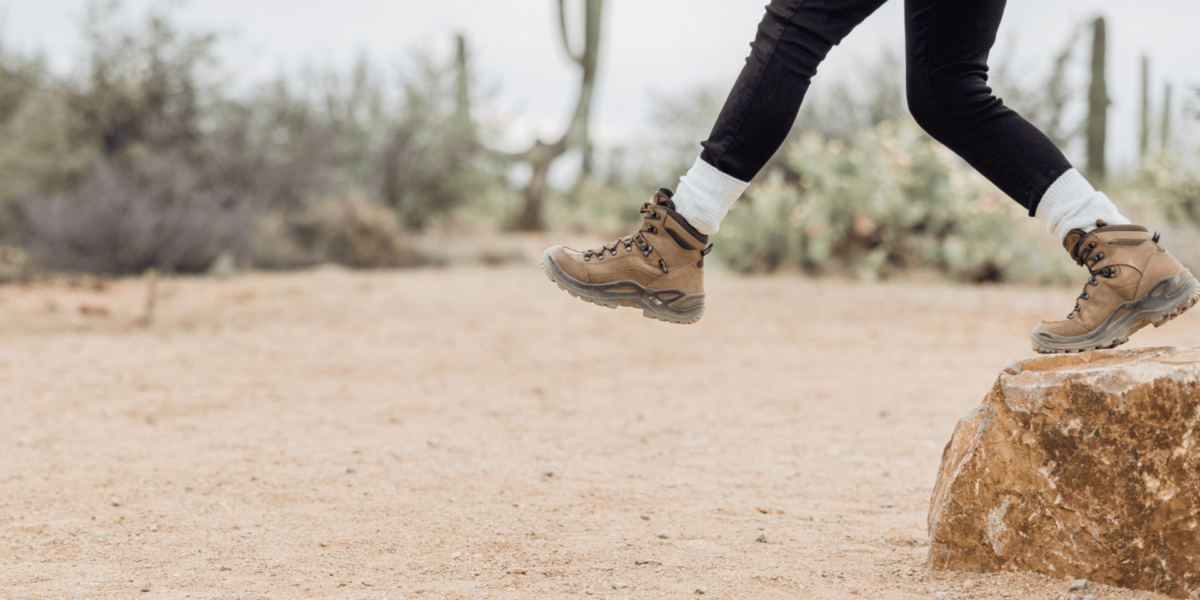
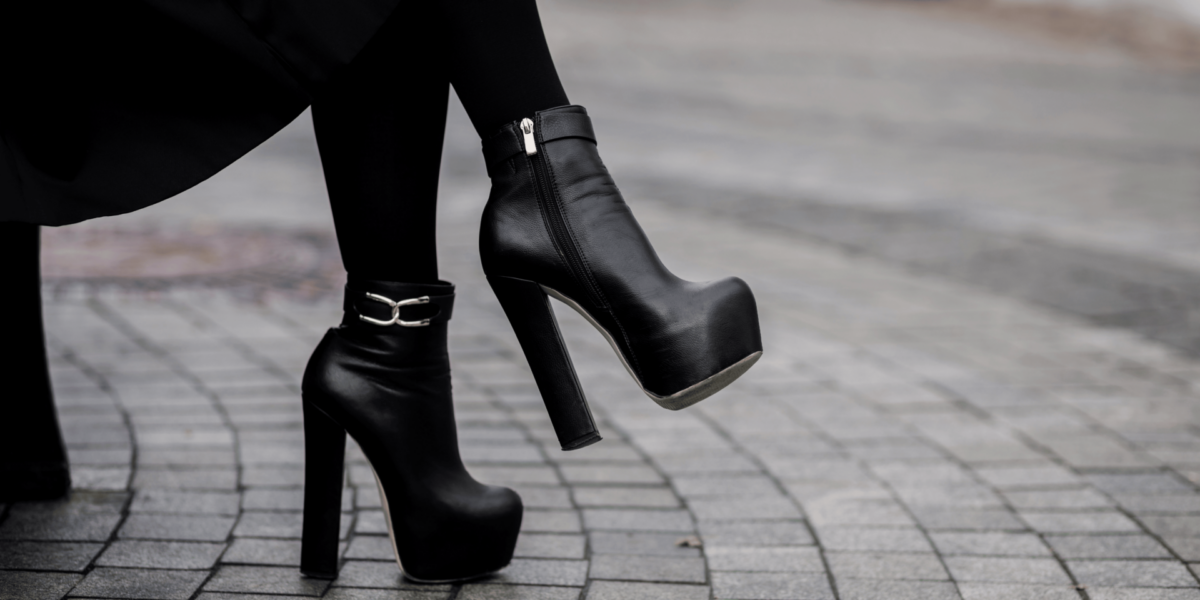
From Sidewalk to Saddle: The Journey of a Perfect Everyday Boot

An everyday boot needs to do more than look good. It has to keep up with every part of your day—from walking city blocks to handling rugged tasks. The right boot earns its place by performing across different settings while keeping you comfortable and grounded.

The Ideal Boot Begins with Daily Function

Boots that qualify as everyday footwear must support long periods of wear without causing discomfort. Whether you’re running errands downtown or tackling outdoor chores, your boots need to stay comfortable, no matter the surface or pace. A reliable pair keeps your feet supported and stable, allowing you to focus on the task rather than foot fatigue.

Materials Determine Long-Term Durability

The journey from sidewalk to saddle requires boots built with strong, flexible materials. Full-grain leather, reinforced stitching, and weather-resistant soles protect against wear. These materials help boots adapt to rougher environments while keeping their shape. In a practical situation—like moving from a concrete driveway to a gravel path—boots built with proper construction prevent breakdown and provide consistent support.

Fit and Structure Impact Everyday Performance

A true everyday boot holds your foot firmly without pressure points. A secure heel, roomy toe box, and snug arch create a balance between comfort and control. This structure improves your posture and stride. Throughout a full day—starting with commuting and ending with outdoor activity—this fit allows you to keep moving without blisters, fatigue, or shifting.

Sole Design Matters on Every Surface

Traction defines whether a boot performs across urban and rural settings. The ideal sole grips wet sidewalks, uneven pavement, dirt trails, and stable flooring with the same ease. Rubber lug soles and reinforced midsoles add balance and protection, keeping steps steady during quick turns, slippery corners, or long days standing. These features make the difference between a boot that works and one that wears out early.

Design Versatility Supports Seamless Transitions

An everyday boot needs to match a range of outfits and tasks. It must blend in with jeans during the day and with tougher gear in outdoor settings. A minimal design with neutral tones allows the boot to shift easily between settings without standing out in the wrong way. Someone heading from a morning city commute to an evening of outdoor work won’t need to change shoes if their boots are built with thoughtful, flexible design.

Weather Resistance Ensures Daily Reliability

Changes in weather demand boots that hold up in both dry and wet conditions. The perfect everyday boot resists water, insulates in colder temperatures, and remains breathable when it’s warm. A water-resistant leather upper and moisture-wicking lining can handle rainy sidewalks in the morning and dusty fields later in the afternoon. Consistent comfort across climates gives the boot more value and prevents frequent replacements.

Craftsmanship Shapes Confidence

When a boot is carefully built, its quality shows. Stitching, edge finishing, and clean construction reflect craftsmanship. This matters when boots serve as your go-to pair each day. You notice how they wear, how they flex, and how they feel under pressure. In a realistic workday—where you move from meetings to physical tasks—boots with dependable craftsmanship provide the durability and structure you rely on without fail.

Maintenance Extends the Boot’s Lifespan

Even the best everyday boots need proper care. Materials like full-grain leather or waxed canvas respond well to regular cleaning and conditioning. A boot that holds up over time usually comes with simple care instructions. Maintaining the boot protects your investment and keeps the material flexible and water-resistant. Daily wear in different environments makes care routines essential to long-term use.

Fit Adjustability Supports All-Day Wear

A boot that fits well in the morning shouldn’t feel tight or loose by night. Adjustable features—like laces, gussets, or flexible shafts—let the boot move with you through swelling, shifting weight, and changing layers of clothing. During long days with changing activities, these adjustments make the difference between a boot that causes friction and one that moves naturally with your stride.

Practical Style Adds Quiet Confidence

When a boot looks good and functions well, it naturally becomes a part of your style. You walk with more ease, make quicker decisions, and stay focused. Practical style means you don’t have to second-guess your outfit or wonder if your boots match the setting. Instead, you move with steady confidence, whether you’re in an office, on a sidewalk, or in the saddle of a task that needs finishing.

The Perfect Everyday Boot Works as Hard as You Do

A reliable everyday boot supports every part of your life. It offers comfort, durability, traction, and style without compromise. It holds up during city walks, outdoor projects, unpredictable weather, and long hours on your feet. From sidewalk to saddle, the right boot becomes more than part of your outfit—it becomes a tool that helps you move through life with strength and purpose.

From Trail to Town: The Journey of a Versatile Boot

Versatility Starts With Smart Design

A truly versatile boot begins with thoughtful design. The shape, materials, and structure must support both rugged terrain and urban environments. From reinforced soles to supportive insoles, every feature needs to balance performance and appearance.

When someone moves from a morning hike to a lunch meeting, their boots must adapt without requiring a change. Durable leather, weatherproof linings, and neutral tones make that transition feel seamless and natural.

Trail Performance Depends on Durability

Boots built for the trail must handle uneven paths, rocky surfaces, and shifting weather. High-traction soles, ankle support, and moisture-resistant materials help prevent slips, strain, or discomfort. Without these features, movement becomes difficult and unsafe.

A person on a weekend hike needs to stay stable across hills, dirt paths, and wet ground. Their boots protect them from unexpected shifts in terrain while maintaining structure with every step.

Urban Style Requires Visual Balance

Once off the trail, the same boot must look appropriate in a casual or professional setting. The design needs clean lines, minimal branding, and versatile colors. This visual balance allows the boot to pair well with denim, chinos, or even office-ready outfits.

In a busy city setting, someone wearing versatile boots can walk into a restaurant, shop, or office without drawing attention for the wrong reasons. Their boots support the look, not distract from it.

Material Choice Determines Adaptability

Materials influence how well a boot handles different settings. Leather provides durability and polish. Nubuck or suede can soften the look for everyday wear. Breathable linings and water-resistant coatings help manage changes in temperature and moisture.

Someone might wear their boots on a cool morning and stay comfortable through an afternoon indoors. The materials adjust to different conditions, keeping the foot dry, supported, and comfortable.

Comfort Supports Extended Wear

Versatile boots must feel good over time. Whether walking long distances or standing for hours, comfort becomes essential. Padded collars, cushioned footbeds, and flexible soles reduce fatigue and pressure.

In a typical day, someone may walk from a trailhead to a market and then through town. Without proper comfort, even the most stylish boots become a burden. Supportive design turns long days into easy movement.

Transitioning From Nature to City

The journey from trail to town is more than physical—it requires boots that fit in without compromise. Dirt cleans off easily. Soles handle concrete and gravel equally well. Laces, zippers, or slip-on features need to function quickly and cleanly.

Imagine ending a trail walk and stepping directly onto a sidewalk with no change in posture or pace. That kind of fluid movement defines true versatility.

Weatherproofing Maintains Readiness

A versatile boot must be ready for sudden weather changes. Waterproof membranes, sealed seams, and quick-drying linings help manage rain, puddles, or snow. These features protect the boot’s shape and appearance across multiple seasons.

Someone caught in a downpour doesn’t have to retreat indoors. Their boots keep water out while staying comfortable enough to wear all day. The result is reliable function, regardless of forecast.

Traction Provides Confidence Across Surfaces

Soles designed for mixed terrain make the difference between careful steps and confident movement. Lugs, grip zones, and heel breaks allow the wearer to move with stability from dirt to pavement without slipping.

In an outdoor setting, someone walking down a gravel slope maintains balance. Later, on slick city pavement, the same tread keeps them steady. One boot, one standard of traction.

Maintenance Protects Versatility

A boot’s long-term performance depends on regular upkeep. Cleaning, conditioning, and storing boots correctly preserve the materials and appearance. Easy maintenance keeps boots ready for both outdoor and urban use.

After a muddy weekend hike, someone rinses off their boots and applies conditioner. By Monday, the boots look polished enough for a meeting. Routine care makes this transition possible.

One Boot, Many Journeys

The best versatile boots don’t live in one environment. They adapt. Whether moving through city streets or forest trails, they support movement, style, and durability. The right pair becomes a reliable part of daily life.

From trail to town, a single pair of boots can meet shifting demands. That consistency gives the wearer more freedom, fewer wardrobe changes, and a steady foundation wherever the day leads.

The Cold-Weather Code: Why Stylish Boots Matter More Than Ever

Cold Weather Demands Practical Footwear

Winter weather challenges how people move, work, and dress. Icy sidewalks, wet streets, and freezing temperatures require footwear that protects and supports. Stylish boots meet these demands while maintaining visual appeal, making them a key part of any cold-weather wardrobe.

A person walking to work on a cold morning needs boots with reliable traction and insulation. Without them, every step risks discomfort or a fall. Functional boots solve this problem, but stylish ones do so without compromising on design.

Style and Function Can Coexist

Fashion and utility are not opposites. In winter, the right boots offer thermal protection, durable materials, and weather-resistant finishes—all while complementing personal style. Well-designed boots deliver performance and elevate the look of cold-weather outfits.

Instead of switching between stylish shoes and outdoor gear, someone wearing the right pair of boots can move through the day without changing footwear. Their boots match their coat, workwear, and accessories, creating a cohesive look.

Quality Materials Make a Difference

Winter boots made from high-grade materials last longer and perform better. Full-grain leather, insulated linings, waterproof membranes, and sturdy rubber soles protect against snow, moisture, and cold air. These materials resist wear while aging well.

Someone investing in quality boots doesn’t just get comfort for the season—they gain durability for years. This decision supports both their personal budget and their overall style consistency.

Insulation Supports Body Temperature

Cold starts at the feet and spreads. Insulated boots help regulate body heat, making them essential during winter. Materials like wool, shearling, or synthetic fills trap warmth without bulk, keeping the foot dry and warm.

Picture someone standing at a train stop on a frosty morning. Their boots provide enough insulation to prevent numbness, allowing them to stay focused and relaxed until it’s time to move again.

Soles Built for Traction Prevent Slips

Boot soles matter more in winter than any other season. Snow, ice, and wet concrete demand traction. Lug soles and anti-slip rubber reduce the chance of slipping while adding structure and stability to every step.

While crossing a parking lot or navigating city streets, a person wearing the wrong shoes risks injury. A good pair of winter boots ensures a safer, more stable experience.

Stylish Boots Reinforce Outfit Structure

Winter outfits often involve heavier layers, which can visually weigh down the frame. Boots provide a grounding element that balances this bulk. Whether sleek or rugged, boots give definition to the lower half of an outfit, keeping the overall silhouette structured.

Standing in front of a mirror, someone may notice their puffer coat and scarf look unbalanced until they put on a pair of strong, stylish boots. The look then comes together as intentional rather than bundled.

Weather-Ready Fashion Boosts Confidence

Clothing affects mood, and the same applies to footwear. Boots that protect while enhancing style improve how people feel throughout the day. When someone knows their boots can handle snow and still match their outfit, they move with more confidence.

That added confidence shows in posture, pace, and presence. Rather than focusing on cold feet or slippery steps, they stay centered and comfortable.

Winter Travel Requires Versatile Footwear

Cold-weather travel adds pressure to pack light and prepare for changing conditions. A single pair of versatile boots can meet multiple needs: walking, dining, working, and even unexpected weather. This flexibility makes packing more efficient.

A traveler wearing weatherproof boots in an unfamiliar city can move from daytime exploring to a dinner reservation without needing to change shoes. This consistency supports both comfort and style on the move.

Proper Maintenance Preserves Style

Winter conditions test footwear more than any other season. Salt stains, water damage, and scuffed leather can quickly diminish the appearance of boots. Regular cleaning and conditioning preserve the material and extend the boot’s lifespan.

A person who wipes down their boots each night and stores them correctly maintains a clean, polished look all season. That discipline adds value to the original investment and keeps the appearance fresh.

The Right Pair Defines Your Cold-Weather Look

Boots do more than complete a winter outfit—they help define it. With so many variables in cold-weather dressing, boots provide a visual anchor. The right pair supports the outfit’s color palette, texture, and function.

A cold-weather look feels incomplete without the right boots. Once they’re on, the entire ensemble gains purpose. That visual clarity turns practical footwear into a personal style statement, proving that boots matter more than ever in winter.