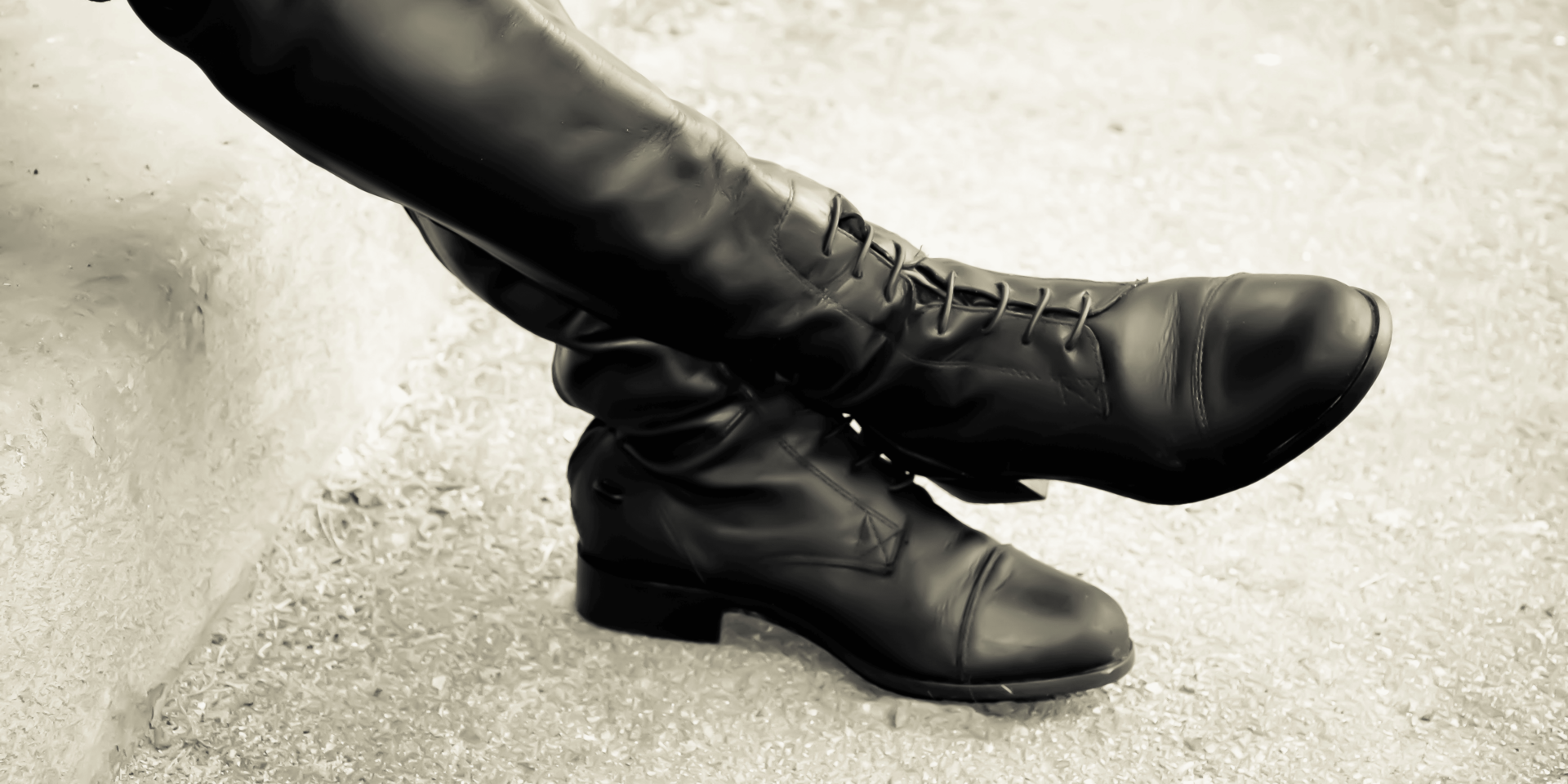
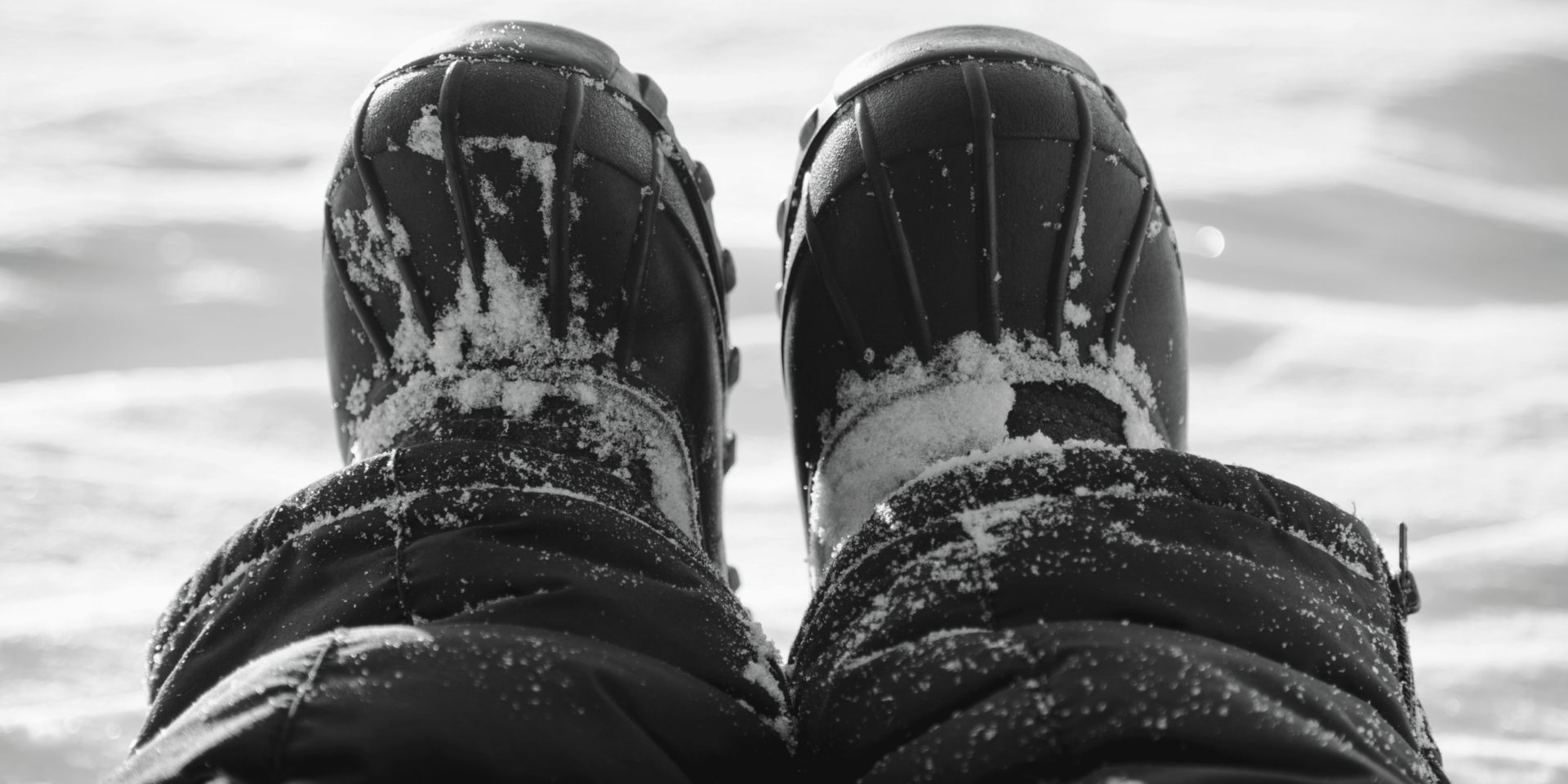
The Journey of a Well-Worn Boot: From Box to Adventure

New Boots Begin With Purposeful Design

Every well-worn boot starts with thoughtful construction. Designers select materials like full-grain leather, reinforced soles, and durable stitching to prepare boots for long-term use. These choices ensure that the footwear holds up against daily wear while maintaining its shape and structure. In a store setting, a shopper selecting a boot built with quality knows it will serve more than a single season.

Breaking in Builds the Foundation for Comfort

The first few wears begin the process of shaping the boot to the foot. As the material softens, it molds to the wearer’s unique stride and pressure points. This transition phase, while sometimes stiff at the start, sets the foundation for long-term comfort. In real use, someone might wear the boots during a regular workday or walk, slowly creating a personalized fit that improves with each step.

Daily Use Leaves Visible Marks of Experience

Scuffs, creases, and softened leather appear as boots take on the impact of daily life. These signs of use aren’t flaws; they are proof of reliability. Each mark tells a story about where the wearer has been. In a daily routine, someone may commute in their boots, face unexpected weather, or navigate varied terrain—all contributing to the evolving look of the leather and the feel of the fit.

Outdoor Conditions Test the Durability

Exposure to rain, heat, dust, or snow shows whether the boot holds up under pressure. Water-resistant treatments, strong outsoles, and quality leather become essential in preserving function. In a realistic outdoor setting, a person crossing city streets or unpaved trails relies on the boot’s ability to stay secure and supportive, regardless of the environment.

Maintenance Extends Lifespan and Appearance

Regular care keeps boots performing and looking their best. Cleaning off dirt, applying conditioner, and checking the soles help prevent long-term damage. In a weekly routine, a user might set aside time to wipe down the leather and reapply waterproofing spray. These small tasks make sure the boots stay ready for the next day and many more.

Travel and Repetition Shape the Boot’s Identity

Repeated wear in different settings gives boots a personality. They adjust to walking patterns, weather shifts, and seasonal wardrobes. Over time, the boot becomes familiar, both in feel and in appearance. Someone using the same pair for multiple workdays or weekend outings recognizes how the footwear has adapted and aged alongside them.

Confidence Grows With Familiar Fit

A well-worn boot becomes a dependable part of daily movement. With comfort locked in and durability proven, the wearer focuses on the day, not the footwear. In a practical scenario, walking into a meeting or navigating a long commute feels easier with boots that support steady footing and reliable traction.

Visual Aging Reflects Character and Use

As the finish changes and color deepens, the boot tells a silent story. Each fold, scratch, and patina mark reflects consistent use. These visible signs add authenticity to personal style. Someone who wears the same boots through seasons will see a transformation that mirrors the rhythm of their routine and lifestyle.

Repair Becomes a Step in the Journey

When soles wear down or stitching loosens, repair breathes new life into the boot. Resoling, patching, or reinforcing parts allows continued use without replacement. A person committed to their boots might visit a cobbler, choosing to fix rather than discard. This decision reflects value in longevity and respect for craftsmanship.

Boots Transition From Fashion to Legacy

What starts as a stylish purchase becomes part of daily identity. Over time, the boots reflect more than function; they represent commitment to quality, experience, and movement. In long-term use, a person may look back and remember where the boots traveled—a record of everyday effort and adventure, worn into each step.

A Well-Worn Boot Represents Durable Living

From the moment a boot leaves the box, it begins a journey shaped by use and care. It endures weather, adapts to movement, and grows more comfortable with each day. In real life, it becomes more than footwear—it becomes a reliable companion that carries its history forward, one step at a time.

What to Look for When Choosing Boots for Work and Travel

Durability Is the Foundation of Reliable Boots

Choosing boots that can handle the demands of work and travel starts with focusing on durability. Boots made from full-grain leather, reinforced synthetic fabrics, and stitched rather than glued construction last longer under heavy use. A person commuting across rough city streets and spending long hours on their feet relies on footwear that resists wear without losing structure or comfort.

Comfort Enhances Long Hours on Your Feet

Comfort is essential when selecting boots for both work and travel. Features like cushioned insoles, padded collars, and arch support reduce foot fatigue during extended wear. A worker standing throughout a shift or a traveler walking through airports and crowded streets feels less strain with boots designed to support natural foot movement and distribute pressure evenly.

Proper Fit Prevents Injury and Discomfort

The right fit makes a major difference in preventing blisters, soreness, and injuries. Boots should allow enough room for toes to move slightly without sliding around inside the shoe. A traveler preparing for a long trip knows that ill-fitting boots can turn an exciting journey into a painful experience, while properly fitted boots keep steps steady and pain-free.

Material Quality Determines Weather Resistance

High-quality materials help boots perform in different climates and conditions. Waterproof linings, breathable membranes, and insulated interiors protect against rain, snow, and extreme heat. When crossing wet streets during work or exploring outdoor markets in changing weather, a wearer depends on materials that shield the feet while maintaining ventilation to prevent overheating.

Sole Design Supports Stability and Grip

The outsole affects how well boots handle slick, uneven, or unpredictable surfaces. Rubber soles with deep lugs or slip-resistant treads offer better traction, improving safety across different terrains. Someone moving from airport terminals to construction sites needs a sole that grips firmly without wearing down after a few weeks of use.

Lightweight Construction Reduces Fatigue

Heavy boots can slow you down and cause early exhaustion, especially during travel. Selecting boots with lightweight materials and balanced design ensures mobility without sacrificing strength. A professional balancing meetings and flights appreciates the ability to move easily without dragging heavy footwear throughout the day.

Ankle and Arch Support Promote Long-Term Health

Good boots protect not just the feet but the entire body’s alignment. Reinforced ankle collars stabilize movements, while built-in arch support reduces the risk of plantar fasciitis and other strain-related issues. A person walking long distances during workdays or travel excursions benefits from boots that cushion impacts and guide correct posture naturally.

Breathability Maintains Foot Health

Sweaty feet cause discomfort and increase the risk of blisters and infections. Boots that feature breathable fabrics or ventilation systems keep air circulating around the foot. A traveler navigating a hot and humid climate experiences greater comfort and fewer problems when wearing boots designed to let moisture escape rather than trapping it inside.

Easy Maintenance Extends Boot Life

Work and travel boots face dirt, spills, and rough treatment. Choosing boots with easy-to-clean materials and simple maintenance requirements saves time and preserves appearance. After a day spent walking busy streets or working outdoors, a user benefits from being able to quickly wipe down their boots and prepare them for the next challenge without extensive effort.

Versatility Matches Different Needs and Styles

Boots suited for work and travel must balance functionality with style. Designs that transition seamlessly from professional meetings to casual outings provide more value and reduce the need for multiple pairs of shoes. A worker flying to another city for meetings and sightseeing saves space and money by wearing boots appropriate for both formal and relaxed settings.

Realistic Scenario: Relying on the Right Boots

Imagine a professional preparing for an international business trip that involves site visits, presentations, and city exploration. They select a pair of boots made from waterproof leather, equipped with cushioned insoles and durable rubber soles. Over the course of the trip, they walk through rainy streets, navigate crowded airports, and stand for hours during factory tours. Their boots remain comfortable, supportive, and stylish, proving that thoughtful selection makes a real difference in performance and experience.

Smart Choices Lead to Greater Comfort and Performance

Choosing the right boots for work and travel requires attention to durability, fit, comfort, material quality, and functional design. By selecting boots that offer the right blend of support, weather resistance, and style, individuals ensure they can perform at their best, whether in a busy office, on a rugged site, or exploring a new city. Investing time in selecting the right pair means greater comfort, improved health, and lasting satisfaction across every journey and workday.

Why Quality Footwear Matters More Than You Think

The Foundation of Every Step Starts with Quality

Quality footwear plays a crucial role in daily comfort, posture, and long-term health. Shoes that offer proper support reduce strain on the feet, knees, and back, helping the body move naturally. A person wearing well-made boots through a busy day feels the difference immediately, avoiding the fatigue and soreness that come from poor footwear choices.

Material Strength Influences Durability

The choice of material directly impacts how long footwear lasts under regular use. Premium leather, advanced synthetics, and reinforced fabrics provide resistance to wear, moisture, and environmental damage. A shopper running their hand over the sturdy exterior of a high-quality boot can sense its ability to withstand harsh conditions, from muddy trails to city streets, without falling apart after a few months.

Proper Construction Techniques Make a Lasting Impact

How a boot is assembled affects its strength and performance over time. Quality footwear often uses construction methods like Goodyear welting or direct injection molding, which securely bond the upper to the sole. A buyer examining tight stitching and strong seams can predict that their new boots will endure heavy use without separating at the joints or developing weak spots.

Comfort Enhances Daily Performance

Footwear that fits well and supports natural foot movement improves how people perform daily activities. Quality boots include design features such as cushioned insoles, arch support, and breathable linings. A worker standing for long hours or a traveler walking through different terrains experiences consistent comfort when wearing properly crafted footwear, enabling them to stay active longer without foot pain or fatigue.

Injury Prevention Begins with the Right Footwear

Poorly made shoes can cause a range of injuries, from blisters to chronic joint problems. Quality boots are engineered to distribute weight evenly, reduce shock, and stabilize movement. When someone steps onto uneven ground, the right footwear helps maintain balance and absorb impact, lowering the risk of sprains, strains, and longer-term health issues linked to improper foot alignment.

Weather Resistance Protects Feet in All Conditions

High-quality boots are built to withstand the elements. Whether facing rain, snow, or intense heat, premium footwear uses waterproof membranes, insulation, and moisture-wicking linings to protect feet. A person caught in an unexpected storm can rely on durable boots to keep their feet dry and warm, avoiding discomfort and potential health risks like frostbite or blisters caused by wet socks and shoes.

Long-Term Savings Through Smart Investment

While quality footwear may cost more upfront, it saves money over time by reducing the need for frequent replacements. Well-made boots maintain their form, strength, and comfort after months or even years of use. A shopper considering the total cost of ownership sees the value in paying more initially for boots that won’t need to be replaced every season due to early wear or breakdown.

Style and Confidence Go Hand in Hand

Quality footwear not only performs better but also looks better over time. High-grade materials age gracefully, developing a natural patina or maintaining their original finish with minimal effort. A person walking into a professional meeting or social event in polished, sturdy boots projects confidence and attention to detail, both of which leave lasting impressions.

Sustainable Choices Lead to Positive Impact

Choosing quality footwear also supports sustainable practices. Durable boots require fewer resources over time, reducing environmental waste caused by mass production and early disposal. Many reputable brands also prioritize ethical sourcing, fair labor, and environmentally friendly manufacturing processes. A conscious consumer selecting a responsibly made pair of boots contributes to a healthier planet without sacrificing performance.

Realistic Scenario: Living the Benefits of Quality Boots

Imagine a person planning a year of varied activities, including hiking, commuting, and attending outdoor events. They invest in a pair of high-quality leather boots built with waterproof lining, cushioned support, and durable outsoles. Over the year, they walk through rainstorms, rocky trails, and long city blocks without once needing to replace their footwear. The boots mold to their feet, becoming more comfortable with each use. They never experience foot pain or unexpected failures, proving the true value of choosing quality from the start.

Elevate Every Step with the Right Footwear

Quality footwear matters more than many realize because it touches every part of daily life. From physical comfort and injury prevention to long-term savings and environmental responsibility, the benefits of investing in superior boots are clear. By focusing on material strength, construction, fit, and sustainability, buyers can make smart choices that support both their lifestyle and overall well-being for years to come.

From Trail to Town: Mastering Transitional Style with Versatile Boots

Transitional footwear must perform across different environments. A versatile boot handles outdoor terrain and city streets with equal ease. When designed with both performance and aesthetics in mind, these boots offer reliable function while enhancing your personal style.

Boots that can transition from trail to town support your movement throughout the day. Whether navigating uneven ground or walking through crowded sidewalks, the right pair helps maintain comfort without changing your look. This continuity simplifies wardrobe choices and strengthens your overall appearance.

Material and Design Influence Flexibility

Boot construction plays a key role in adaptability. Durable materials like treated leather or high-grade synthetics withstand moisture, dirt, and abrasion. These materials also offer a refined look suitable for urban settings.

Clean stitching, structured silhouettes, and minimal hardware help boots blend into casual and polished outfits. When your boots balance toughness with style, they remain appropriate across a range of activities and locations.

Tread and Support Define Performance

The sole of a boot determines how well it performs on different surfaces. Aggressive tread provides traction on trails, while low-profile grip works for city pavement. A well-designed boot strikes a balance between both to offer stable footing in changing conditions.

Supportive insoles, padded collars, and ankle reinforcement reduce fatigue over long hours. These features are essential for boots that must endure outdoor demands while maintaining daylong comfort during errands or meetings.

Color Choices Shape Style Versatility

Color impacts how easily boots integrate into your wardrobe. Earth tones, black, and neutral shades match a wide range of clothing. These tones also hide dirt and wear, which is helpful for boots used in active environments.

Choosing simple, adaptable colors prevents clashes with everyday outfits. This helps your boots remain wearable even as seasons change or style preferences evolve. Color strategy ensures your footwear stays functional and fashionable.

Lightweight Construction Increases Daily Use

Heavy boots can limit mobility, especially during commutes or casual outings. Lightweight construction using modern materials reduces strain without sacrificing durability. This feature makes boots more wearable across longer periods.

A lighter boot still needs structural integrity. Reinforced midsoles and breathable linings maintain stability and comfort. These attributes support frequent use, especially for people who move between indoor and outdoor settings throughout the day.

Weather-Readiness Supports Seasonal Transition

Footwear that adjusts to seasonal changes helps simplify your wardrobe. Water-resistant coatings, insulating linings, and temperature-regulating fabrics prepare boots for rain, wind, or cooler temperatures.

Owning one or two pairs that manage multiple conditions reduces the need for seasonal replacements. This makes your wardrobe more efficient and your choices more intentional. Investing in all-weather boots streamlines dressing for uncertain forecasts.

Functional Features Add Everyday Value

Transitional boots often include design elements that boost usability. Pull tabs, side zippers, and adjustable laces provide quick entry and secure fit. These small additions improve convenience without compromising the look of the boot.

Extra toe room, cushioned insoles, and flexible outsoles further enhance comfort. These features make a difference during long days, especially when switching between active and social settings. Functional details create boots you’ll want to wear often.

Style Continuity Enhances Daily Confidence

A boot that looks good and feels right adds consistency to your appearance. When you wear footwear that fits both your routine and your environment, you project confidence. Transitional boots support this by eliminating the need to compromise between comfort and style.

A consistent look builds trust in your style choices. Instead of adjusting your outfit to match your shoes, your boots complement every setting. This harmony strengthens personal presentation without extra effort.

Real-Life Utility Drives Long-Term Value

Boots that serve multiple purposes offer greater value over time. Instead of purchasing separate footwear for hiking, commuting, and casual wear, one versatile pair can handle all three. This reduces cost, saves storage space, and simplifies decision-making.

Durable, stylish, and comfortable boots create long-term solutions. They allow you to stay mobile and prepared without overthinking your outfit. Real-life utility makes versatile boots a practical core item in any wardrobe.

Walk Seamlessly Between Worlds

Transitional boots offer a smart blend of performance and polish. They adapt to various terrains, support daily movement, and maintain a unified look across environments.

By choosing boots that balance structure, comfort, and appearance, you gain more freedom in how you dress and how you move. From trail to town, the right pair of boots helps you stay ready, stylish, and steady with every step.

The Secret Life of Boots: What Your Footwear Says About You

The boots you wear often say more about you than any other part of your outfit. Your choice in footwear reflects how you navigate the world—what you value, how you move, and how you want others to perceive you.

Boots, by design, blend function with fashion. A sleek leather boot suggests refinement and order. A rugged work boot signals utility and resilience. The materials, structure, and condition of your boots communicate personal details, often before you speak a word.

Style Choices Signal Confidence and Preference

The style of boot you choose reveals how you balance appearance with comfort. Whether you gravitate toward timeless silhouettes or trend-forward designs, your selection expresses how you approach decision-making and self-expression.

For some, boots serve as a signature piece—something dependable and expressive. For others, they provide versatility and subtlety. These choices show how much thought you give to your appearance and how you want to feel in everyday settings.

Functionality Highlights Lifestyle and Priorities

The features you prioritize in boots point to your lifestyle. People who spend long hours on their feet might choose boots with cushioned insoles and reinforced soles. Others navigating wet or cold conditions may rely on waterproof linings and weatherproof materials.

These choices reveal not only where you go but also what you expect from your day. Function-driven footwear highlights how you plan for uncertainty and prepare for your routine.

Wear and Care Reflect Daily Habits

How you care for your boots shows how much attention you give to maintenance and detail. Clean, polished boots suggest intention and discipline. Worn-out soles or scuffed leather may indicate a practical mindset or a packed schedule that leaves little time for upkeep.

Footwear condition often mirrors personal organization and routine. People who prioritize appearance and comfort tend to clean and preserve their boots regularly. This habit extends to other parts of life where structure and reliability matter.

Color and Texture Express Emotional Tone

The visual aspects of your boots also tell a story. Dark tones like black or brown convey stability and formality. Brighter colors or textured finishes such as suede or distressed leather suggest a willingness to stand out or embrace creativity.

Color and material often reflect mood and emotional tone. Choosing boots that match how you want to feel that day—grounded, bold, relaxed—can shape both your outlook and the message you send to others.

Fit and Form Reveal Self-Awareness

Wearing boots that fit well shows that you value comfort and functionality. Ill-fitting or overly worn boots can signal disconnection from physical needs or neglect of personal care.

People who take the time to ensure proper support and structure in their footwear often apply the same care to other daily choices. Fit reveals how aware you are of your environment and how in tune you are with your body.

Social Settings Influence Footwear Decisions

What you wear changes depending on where you’re going. Formal boots for professional environments suggest a focus on presentation and respect for the occasion. Casual boots for social settings emphasize ease and adaptability.

Adapting footwear to the setting shows awareness of context and expectations. This responsiveness is an important aspect of how people perceive your professionalism, reliability, or creativity.

Your Boots Tell a Story Over Time

Every scuff, crease, or polish speaks to the path you’ve walked. Boots age with their wearers, capturing the places you’ve been and the choices you’ve made. As they mold to your movement, they also hold memories of seasons, events, and transitions.

Well-loved boots often reveal a story of growth and change. They show that style evolves with experience and that comfort becomes more important as identity matures.

Boots as a Reflection of You

Boots are more than seasonal essentials. They are everyday indicators of who you are, what you do, and how you live. Each pair offers insight into your style, habits, and mindset.

By understanding what your footwear communicates, you can make more intentional choices that align with your lifestyle and values. Your boots already speak on your behalf. Make sure they tell the story you want to share.

Weatherproof Your Wardrobe with These Must-Have Footwear Essentials

Choosing the right shoes helps you stay dry, warm, and supported during unpredictable weather. Rain, snow, and fluctuating temperatures can damage footwear and disrupt your routine if you’re unprepared.

Weatherproof footwear provides the protection you need without sacrificing style. These essentials shield your feet from moisture and cold while supporting your movement throughout the day. A good pair of boots or waterproof shoes helps you manage seasonal shifts with confidence.

Materials Matter in All-Weather Footwear

Footwear built for weather resistance depends on high-quality materials. Look for leather treated for water resistance, synthetic fabrics that wick away moisture, and soles with strong grip.

Proper materials keep your feet dry and stable on slick or uneven ground. They also help preserve the shape and durability of your shoes. Avoiding low-grade fabrics prevents discomfort and ensures longer-lasting performance across seasons.

Waterproof Boots Anchor a Winter Wardrobe

During cold and wet months, waterproof boots serve as a reliable base for your outfit. Whether you’re walking through slush or navigating icy sidewalks, these boots provide insulation and traction.

Look for boots with sealed seams, thermal linings, and thick outsoles. These features ensure that your feet stay warm and your steps remain secure. Choosing neutral tones helps the boots coordinate with multiple looks without sacrificing function.

Insulated Footwear Maintains Comfort in Cold Climates

Cold weather demands more than style—it requires insulation. Footwear with built-in thermal layers helps trap body heat and prevent cold from seeping in. This protection is essential for anyone spending long hours outside.

Insulated soles and padded uppers offer warmth without adding bulk. These elements work together to maintain comfort throughout the day, especially in freezing temperatures. Your body expends less energy staying warm, keeping you more active and alert.

All-Season Shoes Offer Everyday Versatility

Some shoes are designed to handle moderate weather year-round. All-season options provide enough coverage for rain and enough breathability for warmer days. These versatile styles bridge the gap between function and fashion.

Flexible soles, weather-treated exteriors, and breathable linings help adapt to changing conditions. Owning a dependable pair of all-season shoes reduces the need to rotate footwear constantly, saving both time and storage space.

Proper Traction Prevents Slips and Falls

One of the biggest risks in wet or icy weather is slipping. Footwear with textured, non-slip soles provides essential stability. Tread patterns designed for traction reduce the risk of accidents during rain, snow, or frost.

A strong grip allows you to walk with confidence. Whether on stairs, pavement, or uneven paths, traction-focused soles help keep you safe and in control throughout your day.

Breathable Waterproof Shoes Prevent Sweat Buildup

While waterproofing blocks moisture from the outside, breathability keeps feet dry from the inside. Shoes that combine both features are ideal for active days in damp conditions.

Moisture-wicking liners and vented designs reduce sweat accumulation. This keeps your feet dry, prevents odor, and minimizes friction that could cause blisters. Breathable waterproof shoes work especially well for commuting or long hours on your feet.

Shoe Maintenance Extends Performance and Appearance

Even the best footwear wears down without proper care. Weatherproof shoes need regular cleaning and protection treatments to stay effective. Removing debris, applying waterproof sprays, and checking seams preserve both function and appearance.

Consistent maintenance ensures that your footwear investment lasts. It also keeps your shoes looking sharp and prevents issues like cracking, leaking, or worn-down soles.

Match Footwear to Your Daily Environment

Different settings require different footwear solutions. City streets, rural trails, or job sites each present unique challenges. Matching your shoes to your environment ensures comfort and performance.

Assess how much walking, exposure, and standing your routine includes. Choose footwear with features tailored to your surroundings—from high-ankle boots for rough terrain to slip-on waterproof sneakers for urban errands.

Build a Weather-Ready Footwear Foundation

Weatherproof footwear provides the stability, comfort, and protection you need for daily life. Choosing the right shoes prevents discomfort and helps maintain your personal style across seasons.

By investing in essentials like insulated boots, waterproof sneakers, and all-season options, you prepare your wardrobe for anything the weather brings. With the right footwear, your routine stays consistent, no matter the conditions outside.

From Trail to Town: Choosing Boots That Work Wherever You Go

A versatile pair of boots doesn’t just look good—it performs under pressure, adapts to movement, and supports you in different environments. Whether you’re walking city blocks or navigating uneven trails, your boots should meet the demands of both without compromise.

To choose boots that truly work wherever you go, focus on fit, materials, grip, and construction designed for real-world transitions.

Hybrid Boot Design Combines Trail Durability with City Style

The best boots for mixed environments combine outdoor features with a clean, urban look. These hybrid designs often include hiking boot technology—like padded collars, reinforced soles, and breathable linings—paired with sleeker silhouettes and neutral tones that match everyday outfits.

In a daily routine that shifts from sidewalks to uneven terrain, boots with this blend of style and function keep pace without requiring a change of footwear. Their build supports you on rocky ground, yet looks appropriate in public spaces.

This combination allows one pair of boots to serve both form and function across all settings.

Fit and Support Make a Difference on Uneven and Hard Surfaces

When selecting all-purpose boots, fit and support should come first. A snug heel, flexible forefoot, and solid arch support help reduce fatigue on mixed surfaces. Without proper structure, your feet absorb more shock, especially during long hours of walking or standing.

If someone spends part of the day walking on gravel and later moves through concrete-heavy areas, the stress on the feet adds up. A boot with responsive midsoles and secure lacing adjusts to those changes without compromising comfort.

Prioritize fit that keeps your foot in place and provides consistent support in every step.

Outsole Traction Is Key for Safe Movement in All Conditions

Traction matters whether you’re climbing loose soil or walking across wet pavement. Boots with multi-directional lug patterns or grippy rubber outsoles perform better on both trails and city streets.

In real use, when someone moves quickly from a slick sidewalk to a gravel path, poor traction leads to slips and instability. Boots that maintain contact and prevent sliding offer more than comfort—they ensure safety in varied environments.

Choose outsoles that balance grip and flexibility, with patterns that can handle both dry and unpredictable surfaces.

Breathable Materials Control Temperature and Moisture

A boot built for both trail and town needs to manage interior temperature and moisture effectively. Breathable materials like mesh panels or moisture-wicking linings help keep your feet dry during active use. This prevents overheating during long walks and reduces sweat buildup that can cause discomfort.

For someone moving through crowded spaces in the heat, or hiking under tree cover in mild humidity, breathability improves wearability. The right materials reduce the chance of odor, blisters, and irritation over extended wear.

Make sure the boot includes airflow features that allow long-term use without overheating or moisture buildup.

Waterproofing Adds Versatility in Wet or Unpredictable Weather

Unexpected rain, puddles, or muddy paths shouldn’t force you to change your plans—or your shoes. Boots with waterproof membranes protect your feet from outside moisture while maintaining interior airflow.

If you’re crossing damp sidewalks in the morning and exploring wet terrain by afternoon, waterproofing keeps your feet dry through both. This feature turns one pair of boots into a reliable option for any weather condition.

Look for seam-sealed uppers and internal membranes that block water without sacrificing breathability.

Lightweight Construction Supports Extended Daily Use

A heavy boot may offer protection, but it often causes fatigue during long periods of wear. For trail-to-town performance, lightweight materials and low-bulk construction help keep movement natural without slowing you down.

Someone who walks several miles daily benefits from reduced foot strain and better posture when the boot doesn’t drag. Materials like EVA midsoles, lightweight rubber outsoles, and lean uppers make extended use more comfortable.

Select boots that reduce weight without sacrificing strength, especially if your day includes lots of walking.

Neutral Styling Makes One Pair Work for Multiple Settings

Boots that shift between outdoors and urban spaces must match a variety of outfits. Neutral colors like black, brown, or gray—and minimalist design details—ensure the boots look appropriate with both technical gear and casual clothing.

For someone who goes from trail wear to streetwear without time to change, styling becomes as important as performance. Boots with a clean shape, low profile, and subtle branding work across settings without drawing unnecessary attention.

Choose design elements that blend into your wardrobe while still delivering on durability.

Durable Construction Withstands Daily Transitions

Boots that travel between trail and town face constant flexing, shifting, and pressure. Solid stitching, abrasion-resistant materials, and double-walled construction ensure the boots don’t fall apart after a few weeks of wear.

Someone who switches between indoor surfaces, rocky paths, and transport stations needs boots that maintain shape and function through constant change. Durable construction reduces the need for early replacement and supports a consistent fit over time.

Inspect the stitching, toe structure, and heel support to confirm the boot can handle repeated transitions without failing.

Proper Break-In Improves Long-Term Comfort

No matter how well a boot is built, it needs time to conform to your foot. Gradual break-in allows the materials to adapt without creating pressure points. During this period, the fit stabilizes and support becomes more targeted.

If someone wears the boots for short walks at first, the materials soften in high-flex zones and reduce stiffness. After a few days, the comfort becomes consistent enough for all-day wear in any environment.

Plan for a break-in period that allows your boots to mold to your foot before putting them through long mixed-terrain use.

One Boot for All Terrain Reduces Wardrobe Clutter

Owning a boot that performs in both nature and the city simplifies your daily routine. It reduces the need for multiple pairs of specialized footwear and keeps your wardrobe functional without excess.

For someone who values practicality, one reliable pair of boots saves time, storage space, and decision fatigue. These boots offer consistent performance across environments, reducing the need to pack extra footwear or second-guess your choice.

Investing in one pair that handles every surface means more freedom and fewer wardrobe decisions.

Trail-to-Town Boots Offer Real-World Efficiency

The best boots don’t just look good—they perform where it counts. By combining outdoor function with everyday style, trail-to-town boots become a dependable part of your routine. They respond to weather, distance, and terrain without forcing you to change shoes or adjust your pace.

When you choose boots that work in both worlds, your gear keeps up with your life—not the other way around.

Breaking In Without Breaking Down: The Real Fit Journey

A new pair of boots often feels stiff at first. But that initial discomfort shouldn’t lead to pain, blisters, or regret. The real journey to a proper fit is less about forcing your foot to adapt—and more about choosing the right materials, construction, and break-in method.

Here’s how boots should actually feel, move, and perform as they conform to your stride over time.

Fit Starts With Structure, Not Size

Boots that fit well aren’t just the right length—they match the shape of your foot. Heel width, arch height, and toe box depth all affect how a boot feels during the first hours of wear.

A person walking several blocks to and from work each day will notice pressure points quickly if the boot doesn’t align with their natural foot shape. A tight toe box restricts circulation, while a loose heel causes rubbing. These issues don’t resolve on their own during break-in—they worsen.

The best fit happens when the boot’s interior mirrors your foot’s form, reducing movement and friction right from the start.

Quality Leather Adapts to Movement, Not Just Time

The boot’s upper material plays a major role in the break-in process. Full-grain leather molds slowly to the foot’s shape while maintaining structure. Cheaper materials either resist movement or collapse, causing long-term fit problems.

In daily wear, where someone stands or walks for hours at a time, high-quality leather flexes with the natural bend of the foot. This adaptability prevents creases from forming in the wrong spots and stops pressure from building on the toes or ankle.

Boots made from flexible yet durable leather break in smoothly without losing support.

Proper Flex Zones Reduce Foot Strain

Boots should bend where your foot bends. That sounds simple, but many designs miss this detail. A natural flex zone should exist at the ball of the foot, allowing motion without forcing the leather or sole to twist unnaturally.

When someone climbs stairs, walks inclines, or crouches at work, boots with improper flex points resist movement. That resistance stresses both the material and the foot, leading to discomfort and delayed break-in.

When the boot bends with you—not against you—it protects the structure of your foot and the integrity of the boot.

Gradual Wear-In Prevents Long-Term Damage

Wearing new boots all day on the first try can lead to pain and even injury. A break-in period should follow a pattern of short, repeated wear—gradually increasing in duration each day.

Someone who wears boots for light movement in the morning and switches footwear later in the day will notice a smoother break-in. The materials soften with controlled use instead of excessive force, which extends the life of both the boot and the user’s comfort.

This slow introduction allows internal components like the insole, lining, and stitching to settle without stress.

Heel Lock Prevents Slippage and Friction

A secure heel prevents the foot from sliding during movement. Without proper heel lock, the boot rubs along the back of the foot—leading to blisters and instability. This isn’t a break-in issue. It’s a fit issue that worsens with wear.

During long walks, even slight heel movement can lead to discomfort. A boot that locks the heel in place supports the ankle and centers the foot. Over time, the material softens around the locked-in fit, not away from it.

A stable heel leads to a balanced stride and a faster, safer break-in process.

Interior Padding Must Compress—Not Collapse

Modern boots often include foam padding around the collar, tongue, and footbed. These components must compress to match your foot, not collapse completely. If padding disappears within a few wears, it can no longer protect pressure points or hold shape.

Someone working on concrete floors daily needs boots that support the ankle and arch with resilient cushioning. When padding is designed for gradual shaping, it conforms without flattening. That means the boot continues to provide comfort well beyond the break-in period.

Long-lasting support starts with materials that adjust instead of wear out.

Lace Systems Adjust Fit During Break-In

Laces aren’t just for securing the boot—they help guide the break-in. Strategic lacing reduces pressure on certain zones while tightening others. A well-designed lacing system allows micro-adjustments each day, which prevents swelling, pinching, or instability.

A person moving from indoors to outdoors, or from sitting to walking, needs the ability to adapt their boot’s fit instantly. Over time, proper lacing encourages even softening of the leather and consistent pressure across the foot.

Boots that offer speed hooks or multiple eyelets provide the most flexibility during this period.

Insole and Footbed Shape Define Final Fit

The footbed is the foundation of comfort. A contoured insole supports the arch and cushions the heel, both of which absorb most of the day’s impact. During break-in, the insole should adapt slightly—but not flatten.

Someone walking across mixed surfaces—carpet, tile, gravel—needs responsive support. If the insole compresses too quickly, the foot shifts during motion, throwing off balance and posture. That instability leads to fatigue, even if the outer boot feels fine.

The ideal break-in results in a footbed that contours to your stride without losing structure.

Fit Should Improve, Not Shift

Boots that are built well don’t “stretch to fit”—they settle into place. During a true fit journey, the boot becomes more comfortable without becoming loose. Key areas like the arch, heel, and toe box maintain shape while softening.

If someone notices their boot growing wider or sloppier after a few weeks, the materials or design are flawed. That movement reduces support and shortens the lifespan of the boot.

The best break-in process creates a stable, form-fitting boot—not one that just gets “less tight.”

The End of Break-In Is the Beginning of Longevity

When boots are broken in correctly, they don’t feel worn—they feel right. The shape matches your movement. The pressure points have softened. The structure remains strong.

At that point, the boots are no longer adjusting—they’re performing. Whether someone wears them for work, travel, or daily errands, the comfort doesn’t fade. It builds.

And that’s the goal: a boot that becomes part of your stride, not a struggle against it.

The Science Behind Warm Feet and Dry Steps

Keeping your feet warm and dry in cold or wet conditions is not about luck. It’s about understanding the materials, technology, and fit that protect your body’s most active extremities. Your feet work hard, and they’re one of the first parts of the body to react to temperature shifts and moisture.

This is where smart boot design and performance materials make all the difference.

Insulation Regulates Heat and Prevents Heat Loss

Boot insulation isn’t just padding—it’s engineered to trap warm air close to your foot while blocking cold air from the outside. Proper insulation uses materials like synthetic fiber clusters or natural wool to slow the transfer of heat. These fibers create tiny air pockets, which hold warmth even when the temperature drops.

In a cold-weather scenario where someone is standing on frozen ground for hours, poorly insulated boots let heat escape through the sole and upper. In contrast, well-insulated boots reduce energy loss and allow the wearer to maintain warmth without constant movement.

When choosing boots for winter or wet conditions, insulation rating and thickness directly affect your body’s ability to retain heat in your feet.

Waterproof Membranes Block Moisture from Penetrating

Waterproof technology inside a boot plays a key role in keeping feet dry. A waterproof membrane acts as a barrier between the outside elements and the inner boot layers. This membrane must allow air to escape (so your feet don’t sweat excessively), while preventing water from seeping in.

Membranes like eVent and GORE-TEX are designed with microscopic pores that block liquid but allow vapor to pass through. This keeps the boot breathable even in wet conditions.

If someone steps through puddles, wet grass, or melting snow throughout their day, the membrane ensures no external water reaches the footbed—maintaining dryness and reducing the risk of cold-related discomfort.

Boot Liners Control Internal Moisture from Sweat

Even in cold weather, feet can sweat. That internal moisture needs to go somewhere, or it builds up inside the boot. This causes discomfort, heat loss, and even blisters.

A well-designed boot includes a moisture-wicking liner that draws sweat away from the skin and moves it toward the surface of the boot. These liners typically use polyester or other synthetic fibers with hydrophobic properties. This means they don’t absorb water but instead channel it away.

During long periods of wear, someone working in an insulated boot without a moisture-wicking liner will feel the sweat accumulate. That moisture lowers insulation performance and increases the chill factor. Liners are a hidden but essential part of keeping your feet dry from the inside out.

Outsoles Reduce Heat Loss and Stop Water Entry

Outsoles are the thick layer between your feet and the ground. In cold, wet environments, the outsole must do two things: block heat from escaping and stop water from entering through cracks or worn areas.

High-performance outsoles use dense rubber that resists compression. This prevents cold from being transferred up into the foot. Deep tread patterns also keep water from pooling beneath the boot, improving grip while limiting surface exposure.

In real-world use, someone walking across wet pavement or snow-covered gravel all day depends on the outsole to stay dry and maintain heat from underneath. The wrong sole type leads to cold, soaked feet before noon.

Proper Boot Fit Helps Retain Warmth

Fit is often overlooked in discussions about warmth and dryness, but it plays a central role. Boots that are too tight restrict blood flow, making it harder for your feet to stay warm. Boots that are too loose allow cold air to circulate and moisture to build up due to friction and poor insulation contact.

A properly fitted boot allows room for circulation and layered socks while still locking the heel and midfoot in place. This prevents rubbing, limits internal sweat buildup, and ensures insulation stays in contact with the foot.

When someone wears boots that match the shape of their feet, they retain warmth longer and experience fewer cold spots, especially at the toes and arch.

Sealed Seams and Gussets Keep Out External Water

Even waterproof materials won’t help if seams and openings let water in. Boot construction methods have evolved to seal these weak points.

Modern boots use sealed seams, taped stitching, and gusseted tongues to protect against leaks. A gusseted tongue means the sides are attached to the boot, not left open. This blocks water from running through the laces and into the boot’s interior.

In daily wear, someone walking through slush or wet leaves benefits directly from these construction details. Water hits the boot but doesn’t enter. The structure keeps feet dry without needing extra layers or bulky overboots.

Sock Compatibility Supports Temperature Regulation

The sock you wear inside a boot affects both warmth and moisture control. Boots designed with thermal regulation in mind provide room for thicker socks without compressing insulation or cutting circulation.

Boot interiors must accommodate layered socks while allowing sweat vapor to escape. Materials like wool-blend socks work with the boot’s liner and membrane, improving dryness and heat retention.

A person who spends long hours outdoors in cold environments sees better performance when their boots and socks are designed to work as a unit—not in conflict.

The Balance of Breathability and Protection

While warmth and waterproofing are essential, breathability ensures the system works over time. A boot that traps heat but holds in sweat creates a damp environment. Over time, that leads to blisters, odor, and insulation breakdown.

Breathable boots strike a balance by allowing internal moisture to leave without letting external water in. This equilibrium keeps the internal microclimate comfortable and dry, even during extended wear.

In everyday use—commuting in rain, working outside, or moving across different environments—breathable boots help feet stay dry both from the weather and from within.

The Result: Warm, Dry, Ready to Move

The science behind warm feet and dry steps combines insulation, waterproofing, airflow, and construction. It’s not a single feature that keeps feet comfortable—it’s the system working together.

High-quality boots manage temperature, moisture, and movement. They stay warm in cold weather, dry in wet conditions, and breathable during extended wear. Whether standing, walking, or working, your boots must respond to the environment while protecting your feet from the elements.

When the right materials and design come together, cold toes and damp socks don’t stand a chance.