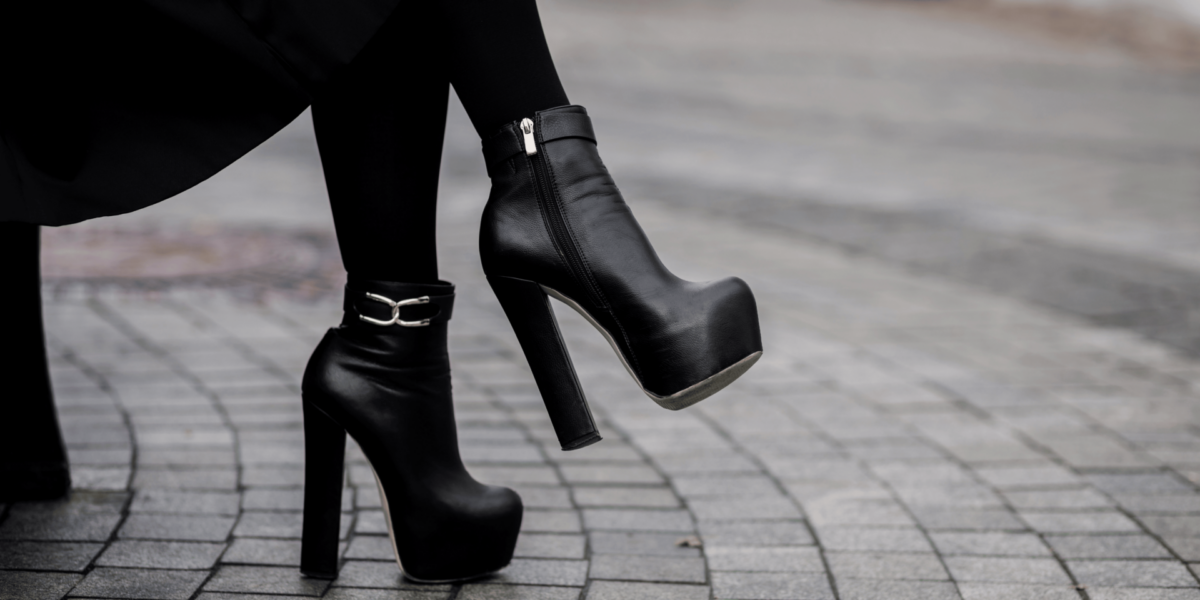
Echoes in the Heel: What Your Footwear Says About the Miles

Heel Wear Reveals Your Walking History

The way your boots wear down at the heel tells a story. Each mark, scuff, and curve in the sole reflects movement, weight distribution, and terrain. Over time, the heel becomes a record of how your feet interact with the ground.

Pressure Points Show Repetition in Motion

Consistent wear in one area of the heel signals where pressure lands with every step. A heavy heel strike compresses the same zone again and again. This pattern reveals how your body distributes weight and how often you walk on hard surfaces.

Tilted Wear Patterns Suggest Imbalance

When the heel wears unevenly—more on the inside or outside edge—it often indicates gait imbalance. This might stem from posture, stride length, or terrain preference. Identifying this early helps prevent discomfort and reduce joint strain during longer walks.

Terrain Shapes the Surface of the Sole

Smooth sidewalks, rough gravel, and soft forest trails each leave distinct signs. Flat wear from pavement looks different than chipped or grooved marks from trail use. These differences point to the environments where your footwear spends the most time.

Heel Compression Reflects Distance Traveled

The depth of compression in the heel shows mileage. A heavily compacted heel means long-term use, even if the upper looks new. Compression also affects how much support remains in the midsole. Reduced support leads to greater fatigue over time.

Sound and Feel Indicate Sole Health

The way a heel sounds when it hits the ground can reflect its condition. A dull thud may mean the padding is breaking down. A sharp click could suggest thinning material. Paying attention to sound helps gauge when performance begins to fade.

Cracks and Fraying Signal Material Breakdown

Visible cracks, loose threads, or frayed edges at the heel mean the boot has endured harsh conditions. This damage doesn’t always affect use immediately, but it does signal that structural integrity is weakening. Timely replacement or repair helps preserve support.

Heel Design Impacts Long-Term Performance

Boots with rounded heels handle rolling motion better on uneven ground. Flat or squared heels offer more contact on smooth surfaces. The design of the heel affects how your step feels, how weight transfers, and how pressure builds throughout the day.

Every Heel Tells a Story of Use and Environment

No two heels wear exactly the same because no two users walk the same path. The environment, pace, and purpose all leave traces. Looking closely at heel wear offers a view into your routine and how your gear responds to it.

Wear Patterns Help Guide Future Choices

Understanding heel wear helps you choose better boots next time. It reveals what support you need, what design works best, and how long a pair truly lasts. When you read the heel, you learn how your boots supported every mile you’ve walked.

Leather in Motion: How Boots Adapt to Everyday Terrain

Daily Terrain Challenges the Flexibility of Leather Boots

Each day brings different walking surfaces—pavement, gravel, grass, stairs, or slick tile. Quality leather boots adjust to these shifts without losing support. This adaptability makes them dependable in city streets, suburban paths, or rural roads.

Leather Forms to Movement Over Time

As boots break in, the leather molds to your walking style. With each step, it softens at pressure points and flexes along natural bends. This personalized fit reduces friction and increases comfort. Well-treated leather retains shape while responding to your stride.

Outsole Design Supports Multi-Surface Stability

Boot outsoles must handle transitions between indoor and outdoor spaces. Deep lugs offer grip on loose ground, while flatter zones keep traction on smooth floors. Durable rubber and firm midsoles protect feet from impact on hard surfaces while maintaining flexibility.

Weather Conditions Test Material Resilience

Leather boots face shifting weather—dry heat, damp mornings, or sudden rainfall. Treated leather resists moisture while remaining breathable. As the material adjusts to temperature and humidity, it protects against cracking or stiffness. Conditioning and proper care extend this resistance.

Foot Support Matters Across Varied Ground

Curbs, ramps, and unpaved lots test the boot’s ability to keep balance. Arch support and padded collars stabilize the foot during angle changes or uneven pressure. Consistent alignment reduces joint strain, especially on long days moving across mixed terrain.

Seam Placement and Stitching Prevent Wear Zones

Walking over different ground types creates stress points in specific areas of the boot. Reinforced seams and hidden stitching in high-impact zones reduce the chance of material failure. Quality construction supports long-term use without loosening or separating.

Insole Shape Maintains Comfort on Changing Paths

As you walk from soft to hard ground, insole padding absorbs the shift in pressure. Memory foam or molded insoles adjust to your step and distribute weight. This reduces fatigue when walking on concrete, tile, or other firm surfaces.

Leather Adapts Without Losing Its Form

Even as leather molds to the foot, it holds structure. This balance allows the boot to flex without collapsing. During side steps, sudden stops, or longer climbs, the boot responds without sagging. The leather acts like a second layer of protection.

Urban and Natural Environments Require the Same Durability

Whether navigating city curbs or uneven footpaths, boots face impact, moisture, and abrasion. Leather with built-in resistance performs under both conditions. It protects feet from the top down while the outsole handles the terrain below.

Longevity Reflects the Boot’s Daily Work

The marks on leather—creases, scuffs, and softened edges—show how boots respond to your routine. When properly maintained, they become stronger with age. Leather doesn’t just endure everyday terrain; it learns from it, adapting to your path while keeping your feet ready for the next step.

Mud, Leather, and Morning Dew: Boots That Stand Up to the Trail

Trail Conditions Test Every Step

Rugged trails demand footwear that holds up under pressure. Mud grips soles, uneven paths strain stitching, and early dew soaks through low-grade material. The trail becomes a test site for durability, and boots either meet the challenge or wear down fast.

Leather Remains the Standard for Trail Strength

Full-grain leather provides natural protection against rough terrain. It resists tears, repels water, and adjusts to the shape of the foot over time. When properly treated, leather shields against moisture and holds up through repeated use. On a wet morning trail, its performance becomes clear.

Moisture Management Starts at First Light

Morning dew on grass and soil creates a slick surface. Poorly constructed boots absorb that moisture, leading to discomfort. High-quality boots use treated leather or waterproof membranes to block wetness. This keeps feet dry and reduces the risk of blisters or heat loss.

Outsoles Grip Through Unpredictable Terrain

Slopes, loose gravel, and muddy inclines call for traction that adapts to change. Durable boots feature lug patterns designed to grip in both ascent and descent. Thick rubber compounds add stability while absorbing pressure. A strong outsole means fewer slips, especially when conditions shift quickly.

Reinforced Stitching Holds It All Together

Every seam on a trail boot must carry weight. Reinforced stitching prevents blowouts where stress builds—around the toe, heel, and midfoot. Thread choice and placement make a difference. Double or triple stitching in high-stress zones increases the boot’s ability to survive long-distance wear.

Support Matters When the Trail Demands More

Uneven ground affects balance, especially with added weight from a pack. Trail boots use structured midsoles and padded collars to stabilize the ankle and arch. This reduces strain across long hikes. Without proper support, energy drains faster and risk of injury increases.

Breathability Balances Comfort and Protection

While waterproofing protects against outside moisture, ventilation handles what’s inside. Breathable linings allow heat and sweat to escape, which keeps feet dry from within. Boots that balance water resistance and airflow prevent overheating during long climbs or warm-weather treks.

Lacing Systems Enhance Fit and Function

On a shifting trail, foot movement inside the boot causes friction. A secure lacing system locks the foot in place. Metal eyelets, durable laces, and supportive tongue construction all work together to ensure the boot fits snug from the first step to the last.

Real Performance Happens Over Time

A durable boot doesn’t just survive a single hike—it stays consistent over seasons. With regular care, leather boots develop flexibility without losing form. The trail may change, but a well-built boot continues to perform. Scuffed toes and worn tread tell the story of miles earned, not breakdown.

Choose Boots Built for the Trail’s Reality

The trail doesn’t forgive weak construction. Mud, leather, and morning dew reveal the difference between design and durability. When choosing boots for hiking, focus on real-world materials and construction that respond to the terrain—not just aesthetics. The right boot becomes a tool, not just gear.

What Your Choice of Boots Says About Your Everyday Priorities

Footwear Reflects Function and Lifestyle

The boots you wear reveal how you approach daily decisions. Boots aren’t just about covering your feet. They reflect your habits, needs, and what you value most in your everyday routine. From construction to design, the boots you choose signal what matters to you—comfort, appearance, protection, or adaptability. These details can show how you navigate both style and responsibility in your daily life.

Durability Signals a Focus on Long-Term Value

Wearing rugged, long-lasting boots shows you plan for durability. If your boots are built with strong soles, reinforced stitching, and weatherproof materials, you likely prioritize reliability. You value footwear that handles wear and tear without breaking down. Choosing durable boots suggests you prefer products that last and support your routine without constant replacements. This mindset often points to thoughtful spending and a commitment to consistent performance over time.

Style-Forward Boots Show an Emphasis on Presentation

Polished, trend-driven boots highlight a focus on appearance. When boots include sharp lines, bold colors, or luxury finishes, they often signal that you value how you look. These boots support a strong visual impression, whether in social settings or professional spaces. Prioritizing fashion-forward footwear suggests that you pay attention to detail and often plan your wardrobe around impact and presence.

Realistic Scenario: A Morning Routine Influenced by Boot Choice

Your boot selection helps guide your day’s comfort and productivity. You leave home early, wearing boots that match both your outfit and the day’s forecast. The sole grips the sidewalk as you walk to the train. On the platform, the insulation keeps your feet warm. After work, a quick errand takes you across uneven pavement, but your boots hold up without slipping or pinching. This choice helps you stay efficient and comfortable, reinforcing that your priorities include preparation, appearance, and readiness.

Versatile Boots Indicate Value in Flexibility

Boots that handle multiple settings show you like to stay ready for anything. If your footwear can move from the office to a trail or a dinner out, you likely prioritize adaptability. You want one solution that works in many places, cutting down on gear or wardrobe changes. This choice reflects a lifestyle built on mobility, where preparation and simplicity matter more than specialized or seasonal designs.

Performance Boots Reflect Task-Driven Focus

Choosing work boots, tactical boots, or trail shoes shows you value function. Boots designed for support, traction, or safety indicate a practical mindset. You likely face physical demands in your routine—whether job-related or recreational. These boots help prevent injury, maintain stability, and reduce fatigue. Prioritizing this type of performance footwear means you invest in tools that protect your body and keep you moving efficiently.

Lightweight Comfort Emphasizes Daily Efficiency

Boots made for long wear and ease suggest you focus on pace and comfort. Footwear that offers cushioning, flexibility, and breathable linings often connects with routines built on movement. You may be walking, commuting, or staying active for extended hours. Choosing comfort-first designs shows that you care about physical well-being and time efficiency. It also means you’re likely to plan around how your body feels rather than just how your outfit looks.

Minimalist Boots Show a Practical and Streamlined Approach

Clean, simple designs suggest a focus on essentials and ease. Boots with minimal branding, neutral tones, and basic construction reflect a low-maintenance mindset. You likely value consistency and prefer pieces that blend with multiple looks. This approach often matches people who avoid excess, choose versatile gear, and make choices based on utility rather than trends.

Statement Boots Highlight Creative Expression

Bold designs or unique silhouettes reveal a love for individuality.vIf your boots feature unusual textures, striking colors, or unexpected materials, you likely use fashion to express yourself. Statement boots indicate confidence and creativity. These choices often belong to people who use their appearance as a way to communicate personality and mood. Wearing standout footwear shows you prioritize self-expression and originality.

Sustainable Choices Signal Environmental Awareness

Eco-friendly materials or brands show concern for long-term impact. If your boots include recycled materials, plant-based components, or transparency in sourcing, you likely consider the effect of your purchases. Choosing sustainable boots shows that you factor in ethics, conservation, or resource use in your decisions. It also means you align your buying habits with values that reach beyond fashion or utility.

Your Boots Reflect More Than Style

The type of boots you wear connects directly to your daily values. Whether you focus on durability, fashion, comfort, or sustainability, your boots tell a clear story about what matters to you. Each feature—sole grip, material quality, design choice—links to your habits, responsibilities, and how you move through the world. Understanding this link helps you choose footwear that supports more than your look—it supports your priorities, one step at a time.

From Sidewalks to Trails: The Evolution of Urban Utility Footwear

Utility Footwear Now Serves City and Outdoor Environments

Urban utility footwear has shifted from job-specific gear to everyday wear. Originally built for work and rugged terrain, utility footwear now crosses over into daily city life. Brands have adapted materials, designs, and construction to meet the needs of people moving between sidewalks and trails. These changes reflect a demand for shoes that handle urban stress while offering support in less predictable outdoor settings.

Functional Design Shapes Modern Urban Footwear

Utility shoes prioritize grip, structure, and comfort across mixed terrain. Modern urban utility footwear blends features like high-traction soles, padded insoles, and weather-resistant materials. These shoes reduce pressure on the feet during long walks and help users stay steady on uneven surfaces. Whether navigating subway stairs or gravel paths, the footwear must provide consistent protection without restricting movement.

Materials Innovation Improves Versatility and Wear

Advanced materials increase flexibility, durability, and weather resistance. Contemporary designs rely on synthetic fabrics, waterproof membranes, and reinforced stitching. These updates keep the shoes lightweight while offering the protection needed in shifting weather and changing ground textures. Improved breathability prevents overheating during summer use, while sealed seams keep out moisture during rainy or muddy conditions. This material balance supports year-round use across different environments.

Realistic Scenario: A Day in the Life of a City-to-Trail Commuter

An urban professional shows how one pair of shoes supports a varied routine. A commuter starts the morning walking through downtown to catch a train. The sidewalk is damp, but the tread holds steady. After work, they head to a trail for a short hike. The incline is uneven, but the shoe’s sole flexes with each step. By evening, they walk to a local market, where clean design allows the footwear to blend in with everyday clothes. The same pair supports work, nature, and errands without a need for change.

Fashion Trends Now Include Function-First Footwear

Utility shoes have become a staple in modern urban fashion. Designers now highlight rugged soles, lace hooks, and outdoor textures in collections aimed at city dwellers. These shoes no longer hide their construction—they showcase it. Fashion-forward consumers now value the visible function: weatherproof panels, heavy-duty eyelets, and protective toe boxes. As a result, the look of utility has become part of city style, especially in casual and streetwear categories.

City Life Demands Footwear Built for Movement

Urban settings require durability and agility from everyday shoes. Sidewalks, curbs, public transport, and construction zones all create unique stress on footwear. Urban shoes must absorb shock, maintain traction on smooth or slick pavement, and withstand dirt and debris. Lightweight materials reduce fatigue during long commutes, while structured soles help with support when navigating stairs or uneven surfaces.

Trail-Grade Features Enter Daily Wear

Outdoor elements improve comfort and safety in everyday use. Features once reserved for hiking boots—like lugged soles and gusseted tongues—now appear in urban-ready shoes. These additions help prevent slips, keep out water, and stabilize the foot during fast movement. For people who walk, bike, or explore after work, trail-grade design offers peace of mind and helps extend the range of what the shoe can handle.

Footwear Brands Adapt to Changing Consumer Lifestyles

Hybrid shoes reflect the demand for flexibility and adaptability. More people blend work, fitness, and exploration into their daily routines. Brands respond by designing shoes that match this rhythm. Instead of offering separate products for hiking and commuting, companies now develop one solution that supports both. This approach cuts clutter in closets while delivering reliable performance from morning to night.

Urban Utility Shoes Must Balance Fit and Function

Comfortable fit ensures the shoe works through full-day wear. A shoe built for both city and trail use must consider how it supports the foot over hours of movement. Ankle stability, toe box space, and arch alignment all contribute to comfort. Proper cushioning absorbs impact on pavement, while secure lacing prevents shifting during uphill or downhill walks. A well-balanced fit reduces injury risk and boosts energy throughout the day.

Sustainability Plays a Role in Utility Footwear Evolution

Durable construction reduces waste and promotes long-term wear. Fast fashion once prioritized low cost over lasting value. In contrast, utility shoes aim to perform through repeated use, lowering the need for frequent replacements. Brands now use recycled materials, repairable designs, and packaging that minimizes environmental impact. For consumers focused on sustainability, this construction approach meets both practical and ethical needs.

Utility Footwear Bridges Style and Everyday Demands

The rise of urban utility shoes reflects how people live, move, and choose gear. Footwear no longer belongs to a single setting. City dwellers want support for sidewalks and trails in one pair. By merging outdoor performance with everyday design, utility shoes have redefined modern footwear. They reflect real movement, changing weather, and longer days. The next evolution in urban style doesn’t sacrifice function—it walks with it.

Why Your Next Pair of Boots Should Be Built for More Than Style

Functional Boots Meet Real-Life Demands

Boots need to support movement, not just complement outfits. While many boots look great on display, their value depends on performance during daily wear. Whether navigating city sidewalks or rural trails, your boots should provide traction, support, and durability. Style matters, but it can’t come at the cost of comfort or function. A well-constructed pair will adapt to unpredictable conditions without causing fatigue or damage to your feet.

Design Without Support Leads to Short-Term Use

Poor construction reduces a boot’s lifespan and usefulness. Thin soles, unstable heels, and low-quality materials often wear out quickly. Boots that focus only on fashion trends lack the build to handle daily pressure. Cracked leather, worn treads, or collapsed arches appear within months of regular use. Choosing footwear that prioritizes style over function means buying replacements more often—and sacrificing long-term comfort.

Realistic Scenario: A Day in Unpredictable Conditions

A full day of walking reveals the difference between fashion and function. A commuter heads out in the morning expecting mild weather. By afternoon, rain starts. The sidewalk becomes slick, and water pools along the curb. Boots with no traction or waterproofing fail to keep the feet dry. By evening, the insoles feel damp, the heels ache, and the boots show wear from a single day. If the pair had been built for movement, traction, and protection, the commuter’s feet would stay dry and supported from start to finish.

Comfort Features Reduce Foot Strain

Supportive boots reduce the physical toll of long wear. Functional boots include arch support, cushioned insoles, and padded collars. These features help absorb impact, especially during extended walking or standing. When feet are unsupported, pressure builds on joints and muscles. This strain can lead to back pain, sore heels, or discomfort that affects your daily rhythm. Investing in a pair designed for comfort lowers the risk of chronic foot stress.

Material Quality Affects Durability and Performance

High-grade materials extend a boot’s useful life. Leather that resists cracking, rubber soles that grip, and linings that breathe all contribute to better wear over time. Lightweight synthetics may look appealing but often break down after exposure to water, heat, or constant friction. Well-sourced materials also handle seasonal shifts, preventing damage from sudden cold snaps or humidity. With reliable components, boots last longer without losing shape or function.

Multi-Season Versatility Increases Value

Boots that adapt to changing weather reduce the need for extra pairs. One high-performing boot can replace several pairs if it’s built to handle multiple conditions. Breathable linings, water-resistant treatments, and non-slip soles allow for wear in rain, light snow, or cool dry days. Instead of switching shoes with the weather, you stay ready for whatever the day brings. This makes functional boots more efficient—and a better investment—over time.

Stability and Grip Improve Everyday Safety

Non-slip soles prevent falls on slick or uneven surfaces. Whether walking on wet concrete, uneven gravel, or a frosty sidewalk, traction matters. Fashion boots often have thin or smooth soles that can’t maintain grip. Boots designed for stability include treads that flex with the surface, offering better control on stairs, curbs, or slippery areas. Good grip doesn’t just improve comfort—it helps you avoid injury.

Long-Term Wear Requires Breathability and Fit

Boots must balance insulation with airflow for consistent comfort. Overheated or damp feet quickly lead to discomfort. Functional boots include breathable materials or moisture-wicking linings to regulate temperature and prevent sweat buildup. Combined with a proper fit, this keeps feet dry and reduces odor or skin irritation. A well-fitting boot with airflow features stays wearable all day, no matter the activity.

Style Should Complement, Not Compromise, Performance

A boot can look great while still offering real protection. Modern footwear brands have learned to merge aesthetics with utility. This means you no longer have to choose between looking sharp and staying comfortable. Functional boots can include sleek designs, versatile colors, and fashionable silhouettes without removing the features that matter—like arch support, reinforced seams, or quality soles. A balanced design keeps your appearance polished while your feet stay protected.

Sustainability Adds Value Beyond Wear

Boots built to last reduce waste and lower environmental impact. Short-lived fashion pieces contribute to overconsumption and landfill growth. In contrast, long-wearing boots reduce the need for constant replacements. Brands focused on durability often use responsibly sourced materials, recyclable packaging, or repair services. Choosing a pair with longevity in mind supports sustainable consumption and better resource use, aligning with long-term values as well as daily needs.

Choose Boots That Fit More Than a Look

Your next pair of boots should support your movement, comfort, and purpose. Style alone doesn’t carry you through long days, changing weather, or hard surfaces. Functional boots combine performance and design to offer real support with long-term value. Whether commuting, working, or walking for leisure, your boots should help—not hinder—your day. Built-for-purpose footwear saves time, money, and effort by doing more than looking good. Make the choice that supports your life, step by step.

How Weather-Ready Boots Became a Style Staple Across Seasons

All-Season Boots Meet Both Function and Fashion

Weather-ready boots now serve style and practicality year-round. Boots built for wet, cold, or unpredictable weather once focused only on protection. Today, their design blends function with style, making them popular beyond just winter months. Lightweight insulation, waterproof materials, and slip-resistant soles now pair with sharp silhouettes, making these boots a permanent part of everyday outfits across seasons.

Practical Design Drives Year-Round Appeal

Boot construction now supports daily use in any environment. Weather-ready boots feature durable outsoles, moisture-wicking linings, and structured ankle support. These features make them useful in rain, snow, and even transitional weather. Whether walking through city streets or rural paths, the performance-driven build reduces foot fatigue and keeps wearers dry. This reliability makes them a go-to choice no matter the forecast.

Seasonal Transitions Influence Boot Choices

Versatile materials allow boots to adapt to shifting weather patterns. Modern weather-ready boots use hybrid materials like breathable leather, flexible synthetics, and advanced insulation. These combinations ensure comfort in both cold and mild conditions. Instead of switching shoes each season, consumers now look for one pair that handles spring mud, summer storms, and autumn chill without overheating or trapping moisture.

Realistic Scenario: A Week in Transition Season

A city commuter shows how boots meet seasonal demands. A commuter starts the week walking through light spring rain. Their boots keep socks dry while offering grip on slick sidewalks. Midweek brings unexpected warmth, but the boots remain breathable enough for afternoon walks. By Friday, temperatures dip again, and the same boots provide enough insulation for the morning chill. Throughout the week, the commuter doesn’t need to switch shoes because the boots support every change.

Fashion Trends Embrace Utility Footwear

Style-conscious buyers now seek boots with function-first features. Designers have shifted toward utility-inspired aesthetics. Chunky soles, tactical details, and weatherproof finishes appear in both luxury and streetwear collections. These features aren’t hidden—they become the centerpiece of the look. This shift makes functional boots not just acceptable in casual fashion, but essential. People no longer compromise comfort for style when boots offer both.

Social Media Amplifies All-Season Styling

Online trends show how boots work in multiple settings. Social media platforms showcase how wearers style weather-ready boots throughout the year. From city outfits to rural escapes, influencers highlight the flexibility of these designs. Their content shapes how people shop, encouraging them to choose footwear that fits both aesthetic and weather needs. This visibility has pushed boots beyond seasonal categories and into everyday wardrobes.

Retailers Focus on Year-Round Inventory

Footwear brands adjust marketing to reflect changing demand. Retailers now promote boots across all four seasons. Instead of reserving them for winter collections, stores highlight features like water resistance, arch support, and day-to-night wearability. In product descriptions and campaigns, the message focuses on flexibility and durability. This repositioning reflects the consumer shift toward lasting gear that performs regardless of season.

Foot Health and Support Encourage Long-Term Use

Comfort features make boots wearable beyond cold months. Anatomical footbeds, cushioned midsoles, and breathable lining materials support all-day wear. These upgrades appeal to people who spend hours on their feet. Rather than rotating through less supportive shoes, many users now stick with boots for both work and leisure. This ongoing comfort helps weather-ready boots stay in rotation long after winter ends.

Weather Patterns Make Predictable Footwear Less Practical

Uncertain forecasts increase demand for adaptable boots. In many regions, clear weather can shift to rain or snow within hours. Traditional shoes leave wearers unprepared for these changes. Boots designed for unpredictability offer peace of mind, helping people stay dry and steady no matter what the day brings. As unstable weather becomes more common, demand for flexible, protective footwear continues to grow.

Materials Innovation Expands Styling Options

Modern fabrics support bold designs without losing performance. The rise of synthetic materials and treated leathers allows for lighter, slimmer boot profiles without sacrificing weather resistance. Brands now offer options that work with casual outfits, business attire, and outdoor gear. These innovations let consumers wear boots across a wider range of occasions, encouraging year-round use without feeling overdressed or underprepared.

Weather-Ready Boots Anchor the Modern Wardrobe

Durable, stylish boots now play a core role in everyday footwear. Weather-ready boots have moved beyond seasonal tools into full-time wardrobe staples. By offering protection, comfort, and style in one product, they meet modern demands for both function and fashion. As consumers seek fewer, better items that adapt to changing conditions, these boots have earned their place as a go-to option for all seasons. Their staying power reflects a shift in how people shop, dress, and prepare for whatever the day might bring.

Why Fit, Finish, and Function Matter More Than Ever

Footwear is more than a style decision. The way boots fit, the quality of their finish, and the functionality they deliver all play a role in how you move, feel, and look throughout the day. As daily routines become more dynamic and environments more unpredictable, the demand for boots that check all three boxes has never been higher.

Understanding why fit, finish, and function matter leads to smarter purchases and better long-term performance.

Proper Boot Fit Supports Comfort and Stability

Boot fit determines how well your footwear supports your movement. A good fit prevents blisters, reduces fatigue, and keeps your feet aligned throughout the day. Poorly fitting boots can cause discomfort within minutes and long-term foot issues if worn repeatedly.

In a realistic scenario, someone walks several miles across hard surfaces, up stairs, and through changing terrain. Boots that don’t fit properly will cause pressure points, slipping heels, or cramped toes. These issues reduce focus and force the wearer to adjust how they move.

Choosing boots that match foot shape, width, and arch support helps prevent strain and supports consistent comfort all day long.

Accurate Sizing Prevents Long-Term Wear Issues

Boots that are too large or too small create instability and accelerate wear. Oversized boots cause excessive friction between the foot and lining, leading to early breakdown of the interior. Undersized boots compress the foot and deform the structure.

For someone who wears boots daily for work or long walks, improper sizing leads to faster deterioration. The heel counter collapses, the insole flattens, and the upper stretches in the wrong places.

Consistent sizing ensures the boot holds its shape and continues to provide a snug, supportive fit for months or years of daily use.

Finish Reflects Craftsmanship and Performance Longevity

Finish isn’t just a visual detail—it reflects the boot’s craftsmanship and durability. A well-finished boot has precise stitching, consistent materials, and balanced construction. These elements prevent early failure and extend the boot’s usable life.

If someone wears boots in various weather conditions, finish becomes critical. Unfinished seams absorb moisture. Poorly cut leather creases in the wrong areas. Misaligned soles shift the balance of each step.

High-quality finish ensures the boot resists damage from wear and maintains its structure and appearance even after repeated use.

Material Treatment Affects Durability and Appearance

Treated materials extend the life of the boot by repelling water, resisting stains, and maintaining texture. Finishes like oil-tanning or waxed leather coatings protect the boot from environmental stress without sacrificing flexibility.

In everyday conditions that include light rain, dust, or debris, untreated materials break down quickly. They absorb moisture, stain easily, and lose shape over time.

A properly finished boot doesn’t just look polished—it performs better across different environments by holding its structure and resisting visible wear.

Functionality Drives Daily Performance and Versatility

Function is the true test of a boot’s value. A boot that looks good but fails under pressure has no place in an everyday routine. Features like slip resistance, waterproofing, breathability, and insulation define how well a boot performs in changing conditions.

Someone who walks outdoors, enters buildings, and navigates wet sidewalks all in one day needs boots that adjust. Without the right function, they’ll end up with cold feet, poor grip, or discomfort by midday.

Boots that deliver real-world functionality support movement, comfort, and safety—regardless of where the day leads.

Sole Design Impacts Traction and Support

The sole provides grip, absorbs shock, and protects the foot from impact. A well-designed outsole includes tread patterns for traction, density for cushion, and flexibility for movement. A poor sole design makes even the best-fitting boot difficult to walk in.

In daily wear, someone steps on slick pavement, uneven curbs, and indoor floors. If the sole fails to grip or bends in the wrong place, balance and stability are compromised. Over time, this creates joint strain and increases the risk of falls.

Functional sole construction ensures every step is stable, especially during long days on your feet.

Interior Features Enhance All-Day Wearability

The inside of the boot plays just as big a role as the outside. Features like padded collars, moisture-wicking liners, and removable insoles increase comfort and reduce wear-related problems. These interior components improve ventilation, support, and fit over time.

When someone wears boots for eight or more hours, interior features prevent overheating, reduce sweat buildup, and absorb pressure from extended movement. Without these details, even well-finished boots become uncomfortable after a few hours.

Well-designed interiors keep feet fresh, dry, and supported—no matter how long the boots stay on.

Integrated Design Aligns Fit, Finish, and Function

The best boots don’t excel in just one area—they bring fit, finish, and function together into one cohesive design. When all three work in harmony, the boots feel natural, perform reliably, and hold up against real use.

Someone who relies on their boots daily doesn’t have time for parts that fail early. A great fit supports every step. A clean finish holds up to visual and physical stress. Functional features adjust to real conditions.

Integrated design isn’t a luxury—it’s the new standard for modern footwear.

Long-Term Value Comes from Complete Design Execution

Boots that combine proper fit, quality finish, and real-world function don’t just last longer—they save money over time. Cheap boots that lack one of these pillars often need to be replaced after a few months of use.

A person who wears the same boots through multiple seasons, tasks, and environments sees the return on that investment daily. They avoid repeat purchases, minimize foot issues, and maintain confidence in their gear.

Value isn’t just about price—it’s about performance, consistency, and how well your boots hold up over time.

Your Boots Should Work as Hard as You Do

Boots are not just accessories. They’re tools. The ones worth keeping support your stride, protect your step, and maintain their shape long after the first wear. When you choose boots built around fit, finish, and function, you choose footwear that matches your pace and purpose.

Every step you take depends on what’s underfoot. Make sure your boots are built to keep up.
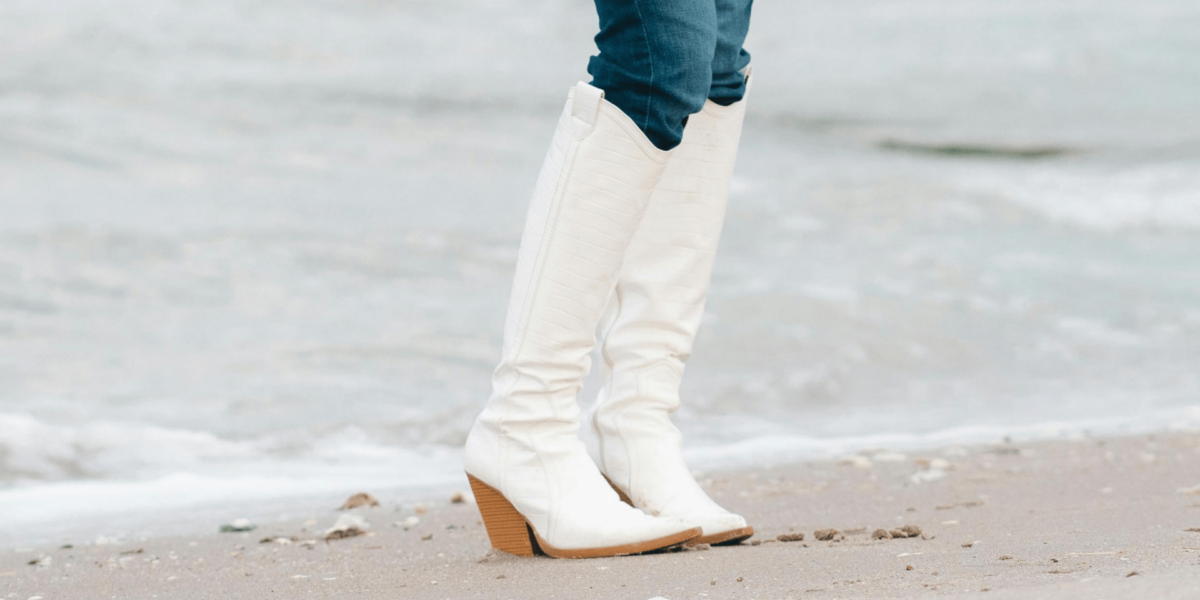
How Weatherproof Design Became the Backbone of Everyday Boots

Today’s everyday boots are no longer reserved for harsh terrain or outdoor labor. Weatherproof design has become a standard feature that supports daily movement, protects against unpredictable conditions, and enhances long-term comfort. Whether you’re navigating city streets or running errands in shifting weather, weatherproof boots now deliver the durability and versatility required for modern life.

Understanding how this evolution happened reveals why weatherproof features are now central to quality boot design.

Weatherproofing Began as a Functional Necessity

The roots of weatherproof boot design started in practical environments where exposure to rain, snow, and mud posed a constant risk. Workers and travelers relied on protective materials to maintain dry feet, warmth, and stability. Over time, brands applied this concept beyond outdoor use, recognizing that everyday life presents its own set of challenges.

A person walking several blocks to work in cold rain needs the same protection as someone on a trail. The function remains the same—even if the setting looks different. Weatherproof design became a shared solution for anyone who moves through changing conditions on a daily basis.

Waterproof Membranes Provide All-Day Protection

One key feature of weatherproof boots is the use of waterproof membranes. These internal layers block moisture from entering the boot while allowing internal moisture—like sweat—to escape. This balance prevents the foot from becoming cold or damp during extended wear.

When someone moves between indoor and outdoor spaces in wet weather, moisture protection becomes critical. Waterproof membranes keep feet dry and maintain warmth, even during long walks or exposure to rain. This internal barrier reduces the chance of discomfort, odor, or skin irritation caused by trapped moisture.

Without this feature, boots lose function quickly in unpredictable climates.

Seam-Sealed Construction Keeps Water Out

In weatherproof design, the construction method matters as much as the materials. Seam sealing involves covering interior stitching with waterproof tape or adhesive to stop water from entering through the seams. Even the best leather can leak without this reinforcement.

If someone steps through wet ground or shallow puddles, unsealed seams allow water to seep in. Seam-sealed boots prevent that, keeping the interior dry without sacrificing flexibility. This design choice supports daily movement without requiring bulky add-ons or external treatments.

Boots built with sealed seams provide reliable protection across all settings, from streets to sidewalks to unpaved paths.

Treated Uppers Repel Moisture and Dirt

Beyond internal barriers, weatherproof boots use treated uppers to repel water on contact. Leather, suede, and textile uppers can all be coated with hydrophobic solutions that prevent moisture absorption and reduce staining.

For someone commuting in light snow or walking through slushy streets, untreated materials absorb water quickly, causing the boot to become heavy, cold, and stained. Treated uppers shed water instantly and dry faster, improving both comfort and appearance.

This treatment helps preserve the shape, feel, and color of the boot—even during heavy use.

Insulated Linings Maintain Warmth in Cold Conditions

Weatherproof boots often include insulated linings to retain body heat during cold weather. These linings trap warm air around the foot and reduce heat loss, especially when the boot is exposed to snow or wind.

In colder regions or during winter months, someone wearing insulated boots benefits from extended warmth without needing thick socks or extra layers. This internal insulation reduces fatigue, improves circulation, and protects foot health over long periods of wear.

When paired with waterproof membranes, these linings help create a complete barrier against the elements.

Traction-Focused Outsoles Prevent Slips and Falls

Boots designed for all-weather wear must also include outsoles that grip well across multiple surfaces. Deep tread patterns and specialized rubber compounds prevent slipping on wet, icy, or uneven ground.

When someone walks through a parking lot covered in rain or snow, poor traction leads to instability or injury. Outsoles built for weatherproof performance keep footing secure and minimize risk. This grip supports confident movement in conditions that vary throughout the day.

Reliable traction is a critical part of making boots usable in real-world weather—not just dry, ideal conditions.

Lightweight Design Maintains Everyday Comfort

Modern weatherproof boots have moved away from bulky frames and stiff soles. Instead, they use lightweight materials that provide flexibility without sacrificing protection. This allows for more natural movement, longer wear time, and greater comfort during everyday use.

A person who wears boots for eight or more hours in mixed environments needs gear that feels light and easy to move in. Heavier construction causes fatigue and alters gait. Lightweight weatherproof boots allow for all-day use without added strain.

By reducing weight while maintaining features, these boots meet both style and performance needs.

Blending Weatherproofing with Versatile Style

Today’s boots must perform well while fitting into daily wardrobes. Weatherproof design is no longer reserved for hiking or heavy-duty wear—it’s now available in silhouettes that match casual, business, and lifestyle outfits.

Someone who transitions from office meetings to outdoor errands doesn’t want to change footwear. Modern boots with weatherproof features and refined aesthetics eliminate that need. Neutral colors, simple profiles, and clean lines make these boots appropriate across multiple settings.

This fusion of protection and style expands the role of boots in everyday wardrobes.

Long-Term Durability Adds Value Over Time

Weatherproof boots last longer because they resist the wear and tear caused by moisture, temperature swings, and terrain. Treated materials don’t break down as quickly. Seam-sealed frames don’t lose shape. Traction-focused soles resist abrasion and maintain grip.

In a typical week, someone might walk through wet pavement, cold streets, and dry indoor flooring. A weatherproof boot performs consistently through all of these shifts, reducing the need for replacement or repair.

Durability directly translates into long-term savings and wardrobe stability.

Weatherproof Features Redefine Everyday Footwear

Weatherproof design has become a baseline expectation—not an optional feature—for people who rely on boots daily. What started as a response to tough environments is now essential for modern routines that involve walking, commuting, and shifting climates.

By protecting your feet and preserving comfort across all settings, weatherproof boots redefine what everyday footwear should deliver. They help you move through your day without compromise.

From Sidewalk to Saddle: The Journey of a Perfect Everyday Boot

An everyday boot needs to do more than look good. It has to keep up with every part of your day—from walking city blocks to handling rugged tasks. The right boot earns its place by performing across different settings while keeping you comfortable and grounded.

The Ideal Boot Begins with Daily Function

Boots that qualify as everyday footwear must support long periods of wear without causing discomfort. Whether you’re running errands downtown or tackling outdoor chores, your boots need to stay comfortable, no matter the surface or pace. A reliable pair keeps your feet supported and stable, allowing you to focus on the task rather than foot fatigue.

Materials Determine Long-Term Durability

The journey from sidewalk to saddle requires boots built with strong, flexible materials. Full-grain leather, reinforced stitching, and weather-resistant soles protect against wear. These materials help boots adapt to rougher environments while keeping their shape. In a practical situation—like moving from a concrete driveway to a gravel path—boots built with proper construction prevent breakdown and provide consistent support.

Fit and Structure Impact Everyday Performance

A true everyday boot holds your foot firmly without pressure points. A secure heel, roomy toe box, and snug arch create a balance between comfort and control. This structure improves your posture and stride. Throughout a full day—starting with commuting and ending with outdoor activity—this fit allows you to keep moving without blisters, fatigue, or shifting.

Sole Design Matters on Every Surface

Traction defines whether a boot performs across urban and rural settings. The ideal sole grips wet sidewalks, uneven pavement, dirt trails, and stable flooring with the same ease. Rubber lug soles and reinforced midsoles add balance and protection, keeping steps steady during quick turns, slippery corners, or long days standing. These features make the difference between a boot that works and one that wears out early.

Design Versatility Supports Seamless Transitions

An everyday boot needs to match a range of outfits and tasks. It must blend in with jeans during the day and with tougher gear in outdoor settings. A minimal design with neutral tones allows the boot to shift easily between settings without standing out in the wrong way. Someone heading from a morning city commute to an evening of outdoor work won’t need to change shoes if their boots are built with thoughtful, flexible design.

Weather Resistance Ensures Daily Reliability

Changes in weather demand boots that hold up in both dry and wet conditions. The perfect everyday boot resists water, insulates in colder temperatures, and remains breathable when it’s warm. A water-resistant leather upper and moisture-wicking lining can handle rainy sidewalks in the morning and dusty fields later in the afternoon. Consistent comfort across climates gives the boot more value and prevents frequent replacements.

Craftsmanship Shapes Confidence

When a boot is carefully built, its quality shows. Stitching, edge finishing, and clean construction reflect craftsmanship. This matters when boots serve as your go-to pair each day. You notice how they wear, how they flex, and how they feel under pressure. In a realistic workday—where you move from meetings to physical tasks—boots with dependable craftsmanship provide the durability and structure you rely on without fail.

Maintenance Extends the Boot’s Lifespan

Even the best everyday boots need proper care. Materials like full-grain leather or waxed canvas respond well to regular cleaning and conditioning. A boot that holds up over time usually comes with simple care instructions. Maintaining the boot protects your investment and keeps the material flexible and water-resistant. Daily wear in different environments makes care routines essential to long-term use.

Fit Adjustability Supports All-Day Wear

A boot that fits well in the morning shouldn’t feel tight or loose by night. Adjustable features—like laces, gussets, or flexible shafts—let the boot move with you through swelling, shifting weight, and changing layers of clothing. During long days with changing activities, these adjustments make the difference between a boot that causes friction and one that moves naturally with your stride.

Practical Style Adds Quiet Confidence

When a boot looks good and functions well, it naturally becomes a part of your style. You walk with more ease, make quicker decisions, and stay focused. Practical style means you don’t have to second-guess your outfit or wonder if your boots match the setting. Instead, you move with steady confidence, whether you’re in an office, on a sidewalk, or in the saddle of a task that needs finishing.

The Perfect Everyday Boot Works as Hard as You Do

A reliable everyday boot supports every part of your life. It offers comfort, durability, traction, and style without compromise. It holds up during city walks, outdoor projects, unpredictable weather, and long hours on your feet. From sidewalk to saddle, the right boot becomes more than part of your outfit—it becomes a tool that helps you move through life with strength and purpose.